herb8 recipes
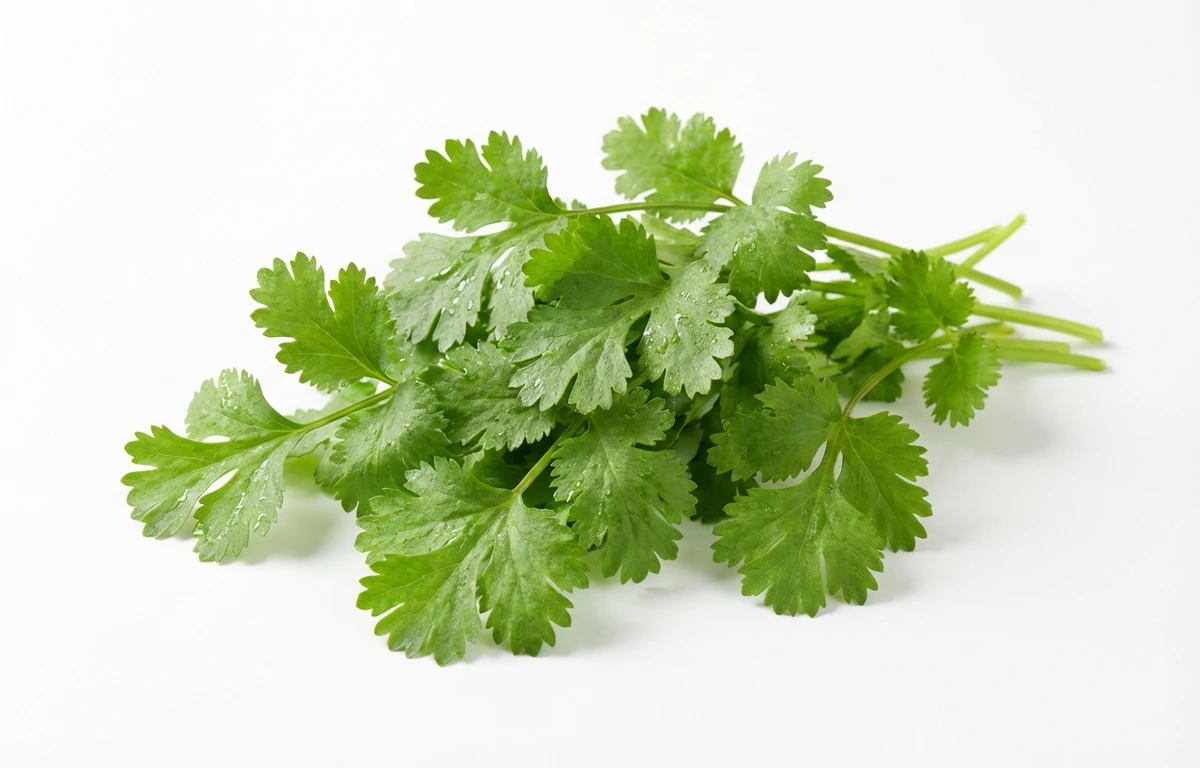
coriander leaf.
VegetarianVeganGluten-freeDairy-freeNut-freePeanut-freeSoy-freeEgg-freeShellfish-freeHoney-freeAlcohol-free
ALSO KNOWN AS
cilantrochinese parsleydhaniakothmirhara dhaniafresh coriander
SERVING
CALORIES
23
PROTEIN
2.1g
CARBS
3.7g
FAT
0.52g
FIBER
2.8g
NUTRITION PROFILE · per 100 g
Everything in this ingredient.
MACRONUTRIENTS
Calories23kcal—
Protein2.1g4%
Carbohydrates3.7g1%
Fiber2.8g10%
Sugar0.87g2%
Total fat0.52g1%
Saturated fat0.01g0%
Trans fat0g—
Cholesterol0mg0%
Water92.2g—
MINERALS
Sodium46mg2%
Potassium521mg11%
Calcium67mg5%
Iron1.8mg10%
Magnesium26mg6%
Phosphorus48mg4%
Zinc0.50mg5%
Copper0.23mg26%
Manganese0.43mg19%
Selenium0.90µg2%
VITAMINS
Vitamin A337µg37%
Vitamin C27mg30%
Vitamin D0µg0%
Vitamin E2.5mg17%
Vitamin K310µg258%
Thiamin (B1)0.07mg6%
Riboflavin (B2)0.16mg12%
Niacin (B3)1.1mg7%
Pantothenic acid (B5)0.57mg11%
Vitamin B60.15mg9%
Folate (B9)62µg16%
Vitamin B120µg0%
%DV based on a 2,000 cal diet. Source: USDA FoodData Central. A dash in the %DV column means there’s no established Daily Value for that nutrient.
MEASUREMENT CONVERSIONS
How much is what.
1 cup16g
1 tablespoon1g
1 teaspoon0.3g
1 oz28.4g
1 lb453.6g
HEALTH BENEFITS
Why eat it.
- ✓Rich in antioxidants that help reduce oxidative stress
- ✓May help lower blood sugar levels by activating certain enzymes
- ✓Supports heart health by helping to manage blood pressure and cholesterol
- ✓Promotes healthy digestion and may reduce bloating
- ✓Contains antimicrobial properties that can help fight foodborne illnesses
COOKING TIPS
In the kitchen.
- 1Add fresh leaves at the very end of cooking or as a garnish to preserve their delicate flavor and color
- 2Use the stems as well as the leaves; they are packed with flavor and work great in pastes and soups
- 3Wash thoroughly in a bowl of cold water to allow grit and sand to sink to the bottom
STORAGE
Keep it fresh.
- Store stems-down in a glass of water and cover the leaves loosely with a plastic bag in the fridge
- Wrap in a dry paper towel and place inside a sealed container or zip-lock bag
- For long-term use, chop and freeze in ice cube trays with a little water or olive oil
FAQ
Frequently asked questions.
How long does fresh coriander last in the fridge?
When stored properly in a glass of water or wrapped in paper towels, it can last 7 to 10 days.
Can you freeze coriander leaves?
Yes, but they will become limp. It is best to freeze them in oil or water in ice cube trays for use in cooked dishes.
What is a good substitute for coriander leaf?
Flat-leaf parsley is the best visual substitute, though it lacks the citrusy punch. For flavor, a mix of parsley and mint or basil can work.
Why does coriander taste like soap to some people?
This is due to a genetic variation that makes some people highly sensitive to the aldehydes found in the herb.
Are coriander stems edible?
Yes, they are completely edible and often have a more intense flavor than the leaves. They are excellent in curries and pesto.
How do I pick the best coriander at the store?
Look for bright green leaves without any yellowing, wilting, or dark slimy spots. The stems should be firm.
Is coriander the same as cilantro?
Yes, in North America, the leaves are called cilantro and the seeds are coriander. In many other regions, both are called coriander.
What are the main vitamins in coriander?
Coriander is particularly high in Vitamin K, Vitamin A, and Vitamin C.
Should I wash coriander before storing?
It is better to wash it right before use. If you must wash it before storing, ensure it is completely dry to prevent rot.
Can coriander be used in sweet dishes?
While rare, it is occasionally used in citrus-based desserts or fruit salads for a refreshing, herbal note.
RECIPES
Cook with coriander leaf.
8 recipes · sorted by what’s quick