Loading...

Per 100g
Nutrition data source: USDA FoodData Central
Common measurement equivalents in grams
Yes, coriander powder is highly nutritious and rich in antioxidants like terpinene and quercetin, which help fight inflammation. It is also known to support heart health by managing cholesterol levels and may assist in regulating blood sugar.
Per 100g, coriander powder contains approximately 298 calories, 12.37g of protein, 54.99g of carbohydrates, and 17.77g of fat. However, because it is used in small quantities as a spice, its caloric contribution to a meal is very low.
Pure coriander powder is naturally gluten-free. However, if you have a severe allergy, check the packaging to ensure it wasn't processed in a facility that also handles wheat or other gluten-containing grains.
Yes, coriander powder is keto-friendly. While it contains carbohydrates, the amount used in typical recipes (usually 1-2 teaspoons) is so small that it has a negligible impact on daily carb counts.
Coriander powder is a versatile spice used in spice rubs, marinades, soups, and curries. It is best added during the cooking process rather than as a garnish to allow its warm, earthy flavors to fully develop and meld with other ingredients.
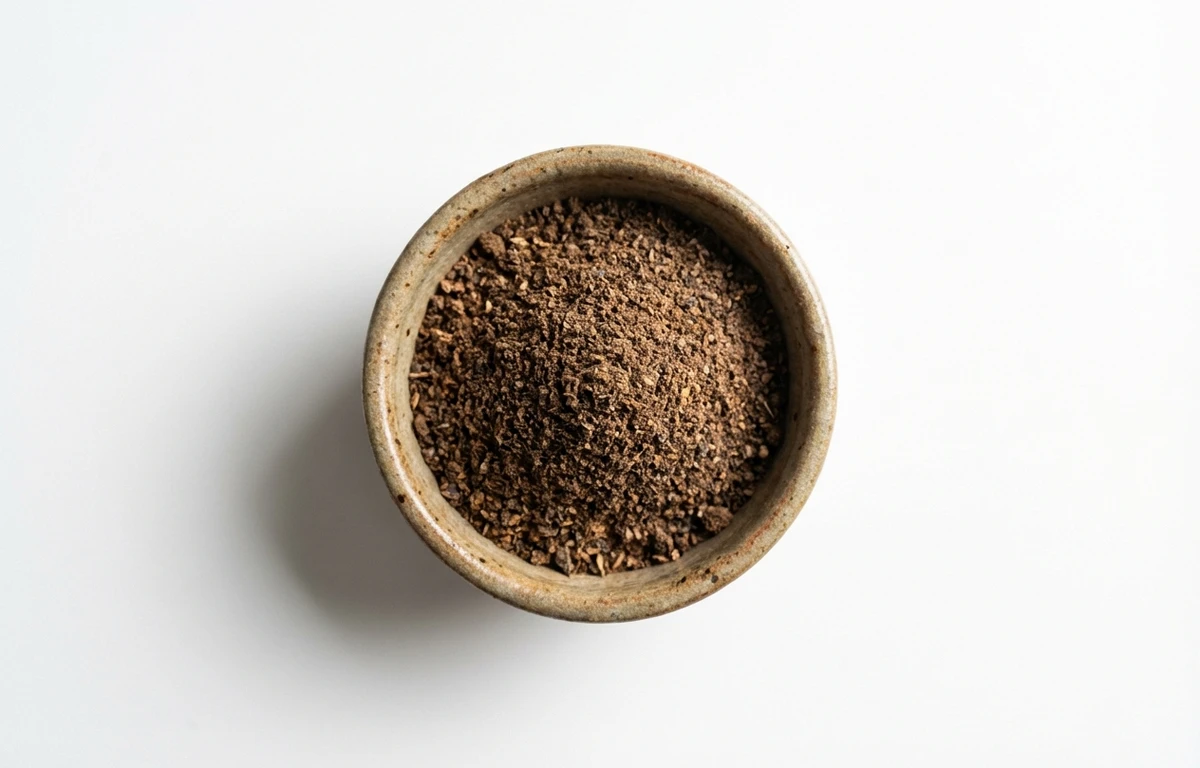
Coriander powder has a warm, nutty, and slightly citrusy flavor profile. It is much milder and more earthy than fresh coriander (cilantro) leaves, making it a foundational spice in many global cuisines.
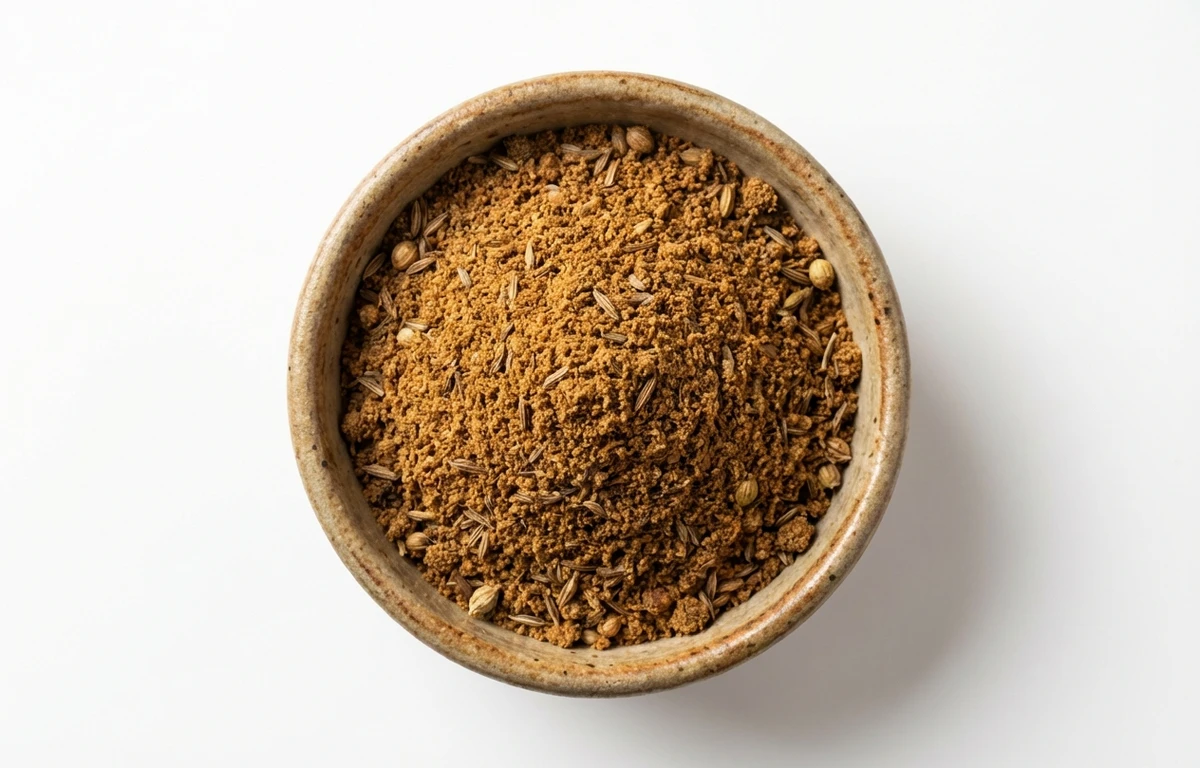
The best substitute is cumin powder, though it is more pungent and less citrusy. You can also use caraway seeds or a blend of cumin and fennel seeds to mimic its earthy and aromatic qualities.
coriander powder is a versatile ingredient found in cuisines around the world. With 298 calories per 100g and 12.37 grams of protein, it's a nutritious addition to many dishes.
Explore more ingredients in the spice category with complete nutrition information.
View all spice →Discover 10 recipes featuring coriander powder with step-by-step instructions.
Browse recipes →Store coriander powder in an airtight container in a cool, dark, and dry place, such as a pantry or spice drawer. Avoid storing it near the stove, as heat and moisture can cause the spice to lose its flavor and aroma.
Coriander powder doesn't typically spoil in a way that makes it unsafe, but it loses its potency over time. For the best flavor, it should be used within 6 to 12 months; if it no longer has a noticeable aroma when rubbed between your fingers, it should be replaced.
Yes, coriander powder is traditionally used to aid digestion and reduce symptoms of bloating. It helps promote healthy gut function and may stimulate the enzymes that assist in breaking down food.