
Other10 recipes
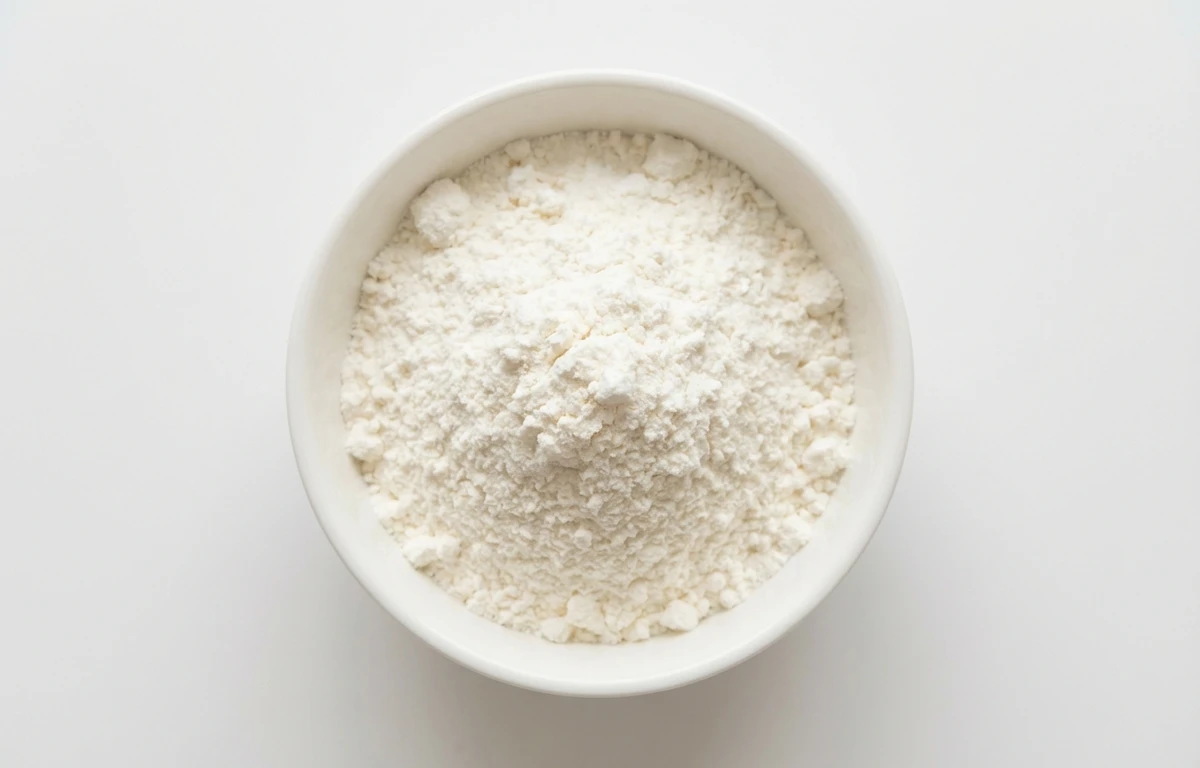
corn starch.
VegetarianVeganGluten-freeDairy-freeNut-freePeanut-freeSoy-freeEgg-freeShellfish-freeHoney-freeAlcohol-free
ALSO KNOWN AS
cornflourcornstarchmaize starchcorn starch
SERVING
CALORIES
381
PROTEIN
0.26g
CARBS
91.3g
FAT
0.05g
FIBER
0g
NUTRITION PROFILE · per 100 g
Everything in this ingredient.
MACRONUTRIENTS
Calories381kcal—
Protein0.26g1%
Carbohydrates91.3g33%
Fiber0g0%
Sugar0g0%
Total fat0.05g0%
Saturated fat0.01g0%
Cholesterol0mg0%
Water7.5g—
MINERALS
Sodium9.0mg0%
Potassium3.0mg0%
Calcium2.0mg0%
Iron0.05mg0%
Magnesium3.0mg1%
Phosphorus13mg1%
Zinc0.06mg1%
Copper0.02mg2%
Manganese0.02mg1%
Selenium0.70µg1%
VITAMINS
Vitamin A0µg0%
Vitamin C0mg0%
Vitamin D0µg0%
Vitamin E0.01mg0%
Vitamin K0.30µg0%
Thiamin (B1)0mg0%
Riboflavin (B2)0mg0%
Niacin (B3)0mg0%
Pantothenic acid (B5)0mg0%
Vitamin B60mg0%
Folate (B9)0µg0%
Vitamin B120µg0%
%DV based on a 2,000 cal diet. Source: USDA FoodData Central. A dash in the %DV column means there’s no established Daily Value for that nutrient.
MEASUREMENT CONVERSIONS
How much is what.
1 cup128g
1 tablespoon8g
1 teaspoon2.5g
1 ml0.7g
1 liter533.3g
HEALTH BENEFITS
Why eat it.
- ✓Naturally gluten-free, making it a suitable thickener for individuals with celiac disease or gluten sensitivity.
- ✓Provides a quick source of energy due to its high carbohydrate content.
- ✓Can be used topically to soothe minor skin irritations and absorb moisture.
COOKING TIPS
In the kitchen.
- 1To avoid lumps, always mix corn starch with a small amount of cold liquid (like water or broth) to form a slurry before adding it to hot liquids.
- 2Corn starch-thickened sauces become clear and glossy when cooked; do not overboil as this can cause the starch to break down and thin the sauce.
- 3Use as a coating for fried foods like chicken or tofu to create an exceptionally light and crispy crust.
- 4One tablespoon of corn starch has roughly double the thickening power of one tablespoon of all-purpose flour.
STORAGE
Keep it fresh.
- Store in a cool, dry place away from direct sunlight and moisture to prevent clumping.
- Keep in an airtight container to protect it from pests and absorbing odors from other foods.
FAQ
Frequently asked questions.
Is corn starch healthy?
Corn starch is a refined carbohydrate that provides a quick source of energy but lacks significant vitamins, minerals, and fiber. While it is a safe, gluten-free ingredient for most people, it should be consumed in moderation due to its high caloric density and minimal nutritional profile.
How many calories and carbs are in corn starch?
Corn starch is very high in energy and carbohydrates. Per 100g, it contains approximately 381 calories and 91.27g of carbohydrates, with negligible amounts of protein (0.26g) and fat (0.05g).
Is corn starch gluten-free?
Yes, corn starch is naturally gluten-free as it is processed from the endosperm of corn kernels. This makes it an ideal thickening agent for individuals with celiac disease or non-celiac gluten sensitivity.
Is corn starch keto-friendly?
No, corn starch is not considered keto-friendly. Because it consists almost entirely of carbohydrates (over 91g per 100g), even small amounts used in cooking can significantly impact your daily carb limit and potentially kick you out of ketosis.
How do you use corn starch as a thickener without getting lumps?
To avoid lumps, always create a 'slurry' by mixing the corn starch with an equal amount of cold liquid until smooth before adding it to a hot mixture. Once added, bring the sauce to a boil for about one minute to fully activate the starch and remove any raw taste.
Can I substitute corn starch with all-purpose flour?
Yes, you can substitute flour for corn starch, but you will need to use roughly twice as much flour to achieve the same thickening power. Keep in mind that flour-thickened sauces will be opaque and have a matte finish, while corn starch creates a translucent, glossy appearance.
What is the role of corn starch in baking?
In baking, corn starch is often used to soften the proteins in flour, resulting in a more tender, delicate crumb in cakes and shortbread. It is also frequently used in fruit fillings to thicken juices while keeping them clear and shiny.
How should I store corn starch and how long does it last?
Corn starch should be stored in an airtight container in a cool, dry place. Because it does not contain fats that can go rancid, it has an indefinite shelf life if kept completely dry and free from contaminants.
Can corn starch be used for skin care?
Yes, corn starch is often used topically to soothe minor skin irritations, such as heat rash or sunburn, by absorbing excess moisture. It is a common natural alternative to talcum powder in body powders and DIY dry shampoos.
Can diabetics eat corn starch?
Diabetics should use corn starch sparingly as it is a highly refined starch with a high glycemic index. It can cause rapid spikes in blood glucose levels, so it is important to monitor portion sizes and pair it with fiber, healthy fats, or protein.
RECIPES
Cook with corn starch.
10 recipes · sorted by what’s quick



















