thickener1 recipes
Cornflour Slurry.
VegetarianVeganGluten-freeDairy-freeNut-freePeanut-freeSoy-freeEgg-freeShellfish-freeHoney-freeAlcohol-free
SERVING
CALORIES
95
PROTEIN
0.10g
CARBS
22.8g
FAT
0g
FIBER
0g
NUTRITION PROFILE · per 100 g
Everything in this ingredient.
MACRONUTRIENTS
Calories95kcal—
Protein0.10g0%
Carbohydrates22.8g8%
Fiber0g0%
Sugar0g0%
Total fat0g0%
Saturated fat0g0%
Cholesterol0mg0%
Water77g—
MINERALS
Sodium2.0mg0%
Potassium1.0mg0%
Calcium1.0mg0%
Iron0mg0%
Magnesium1.0mg0%
Phosphorus3.0mg0%
Zinc0mg0%
Copper0mg0%
Manganese0mg0%
Selenium0.20µg0%
%DV based on a 2,000 cal diet. Source: USDA FoodData Central. A dash in the %DV column means there’s no established Daily Value for that nutrient.
MEASUREMENT CONVERSIONS
How much is what.
1 cup0.4g
1 tablespoon6.4g
1 teaspoon19.2g
1 oz3.5g
1 lb0.2g
1 ml96.2g
1 liter0.1g
HEALTH BENEFITS
Why eat it.
- ✓Naturally gluten-free, suitable for those with celiac disease or gluten sensitivity.
- ✓Provides quick energy due to its carbohydrate content.
- ✓A versatile thickener for sauces, soups, and gravies.
COOKING TIPS
In the kitchen.
- 1Always mix cornflour with cold water before adding to hot liquids to prevent lumps.
- 2Add slurry gradually to hot dishes, stirring constantly, until desired thickness is achieved.
- 3Cook for at least 1-2 minutes after adding to ensure full thickening power and to remove any raw starch taste.
STORAGE
Keep it fresh.
- Store prepared slurry in an airtight container in the refrigerator.
- Use within 1-2 days for best quality.
- Stir well before use as starch may settle.
FAQ
Frequently asked questions.
Is cornflour slurry healthy?
Cornflour slurry is a low-fat, gluten-free thickener that provides quick energy through carbohydrates. While it lacks significant vitamins or minerals, it is a safe and effective option for those with celiac disease or gluten sensitivities when used in moderation.
How many calories and carbs are in a cornflour slurry?
Per 100g, a cornflour slurry contains approximately 95 calories and 22.8g of carbohydrates. It is virtually fat-free and contains negligible protein (0.1g), making it primarily a source of starch for thickening purposes.
Is cornflour slurry gluten-free?
Yes, cornflour slurry is naturally gluten-free as it is made from cornstarch and water. This makes it an excellent alternative to wheat-based roux for thickening sauces, soups, and gravies for those on a gluten-free diet.
Is cornflour slurry keto-friendly?
No, cornflour slurry is generally not keto-friendly because it is high in refined carbohydrates. Even small amounts can significantly increase the carb count of a dish, so keto practitioners often prefer thickeners like xanthan gum or glucomannan.
How do you make a cornflour slurry?
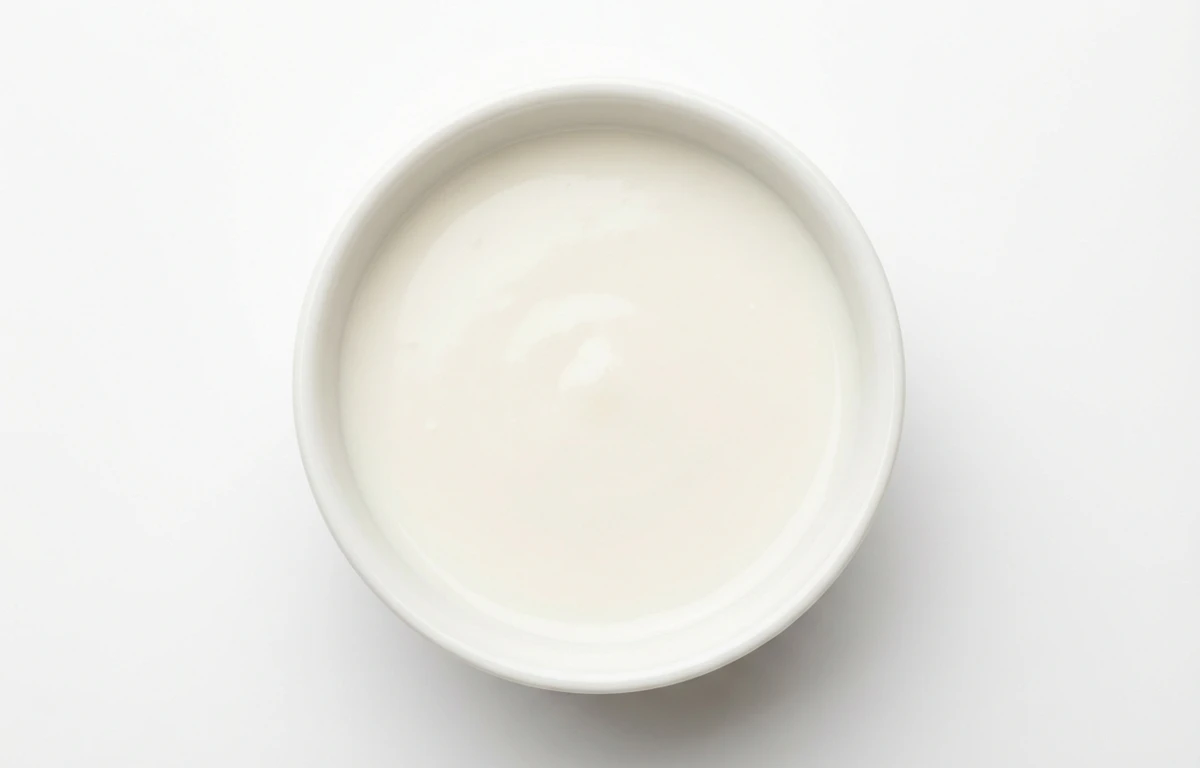
To make a slurry, mix equal parts cold water and cornflour (cornstarch) in a small bowl. Stir until the mixture is completely smooth and milky before whisking it into a simmering liquid to prevent lumps from forming.
When should I add a cornflour slurry to a dish?
Add the slurry at the end of the cooking process once the liquid is simmering. It thickens almost instantly upon reaching a boil; however, avoid overcooking for extended periods as the starch bonds can break down, causing the sauce to thin out again.
Can I substitute cornflour slurry with a flour roux?
Yes, but the texture will change. A cornflour slurry creates a translucent, glossy finish ideal for stir-fries and fruit fillings, whereas a flour roux creates an opaque, matte finish better suited for traditional gravies and creamy stews.
Can I make cornflour slurry in advance?
You can mix it a few minutes early, but the starch will quickly settle at the bottom of the container. If it sits for more than a minute, you must stir it again thoroughly to re-incorporate the starch before adding it to your hot liquid.
Why is my cornflour slurry lumpy?
Lumps occur if the cornflour is added directly to hot liquid or if the water used to make the slurry was too warm. Always use cold or room-temperature water to create the slurry first, then whisk it gradually into the hot dish.
Does cornflour slurry change the taste of food?
When cooked properly, a cornflour slurry is flavorless and does not alter the taste of the dish. However, the sauce must be brought to a brief boil to 'cook out' the starch; otherwise, it may leave a slightly chalky mouthfeel.
RECIPES
Cook with cornflour slurry.
1 recipes · sorted by what’s quick