
Other1 recipes
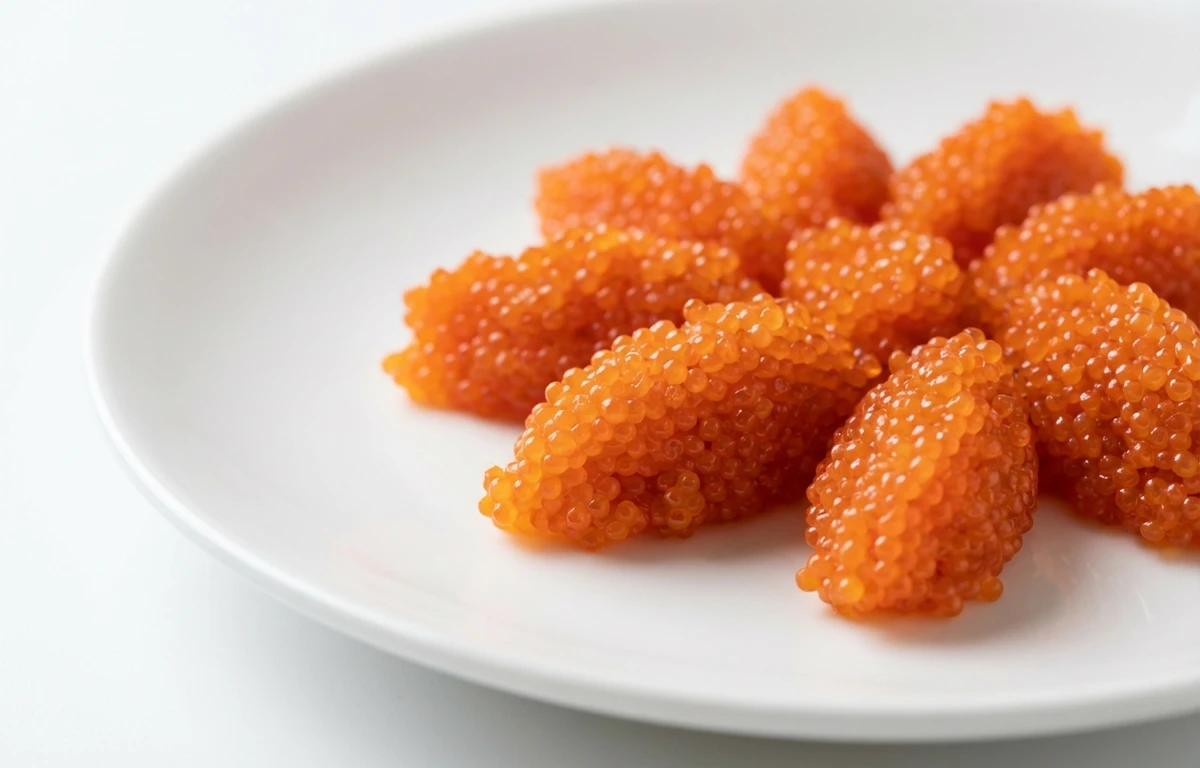
crab roe.
VegetarianVeganGluten-freeDairy-freeNut-freePeanut-freeSoy-freeEgg-freeShellfish-freeHoney-freeAlcohol-freeKosher
ALSO KNOWN AS
crab coralcrab eggscrab caviar
SERVING
CALORIES
175
PROTEIN
19g
CARBS
1.5g
FAT
11g
FIBER
0g
NUTRITION PROFILE · per 100 g
Everything in this ingredient.
MACRONUTRIENTS
Calories175kcal—
Protein19g38%
Carbohydrates1.5g1%
Fiber0g0%
Sugar0g0%
Total fat11g14%
Saturated fat2.5g13%
Trans fat0g—
Cholesterol350mg117%
Water67g—
MINERALS
Sodium400mg17%
Potassium180mg4%
Calcium60mg5%
Iron1.5mg8%
Magnesium38mg9%
Phosphorus360mg29%
Zinc1.8mg16%
VITAMINS
Vitamin A75µg8%
Vitamin C3.0mg3%
Vitamin D1.5µg8%
Vitamin K1.0µg1%
Thiamin (B1)2.0mg167%
Riboflavin (B2)0.45mg35%
Niacin (B3)2.2mg14%
Vitamin B60.15mg9%
%DV based on a 2,000 cal diet. Source: USDA FoodData Central. A dash in the %DV column means there’s no established Daily Value for that nutrient.
MEASUREMENT CONVERSIONS
How much is what.
1 cup224g
1 tablespoon14g
1 teaspoon4.7g
1 ml0.9g
1 liter933.3g
HEALTH BENEFITS
Why eat it.
- ✓Rich in omega-3 fatty acids (EPA and DHA), which support brain health and reduce inflammation.
- ✓Excellent source of Vitamin B12, essential for nerve function and the formation of red blood cells.
- ✓High in protein, which is crucial for building and repairing tissues.
- ✓Provides key minerals like selenium and zinc, which support immune function and act as antioxidants.
COOKING TIPS
In the kitchen.
- 1Gently steam or poach crab roe to cook it through while preserving its delicate texture. Avoid high heat, which can make it tough and rubbery.
- 2Incorporate into sauces, soups, or custards (like chawanmushi) to add a rich, savory, umami flavor and a vibrant orange color.
- 3Use as a luxurious garnish for sushi, pasta, or rice dishes. It can be served as-is or lightly cured.
- 4Mix with crab meat when making crab cakes or stuffings to enhance the flavor and richness of the dish.
STORAGE
Keep it fresh.
- Store fresh crab roe in an airtight container in the coldest part of the refrigerator (around 32-38°F or 0-3°C) and consume within 1-2 days.
- For longer storage, freeze the roe in a vacuum-sealed bag or airtight container for up to 3 months. Thaw slowly in the refrigerator before use.
FAQ
Frequently asked questions.
Is crab roe healthy?
Yes, crab roe is highly nutritious, providing a concentrated source of protein, omega-3 fatty acids, and Vitamin B12. It supports brain health and immune function through minerals like selenium and zinc. However, it should be consumed in moderation due to its relatively high fat and cholesterol content.
How much protein and fat are in crab roe?
A 100g serving of crab roe contains approximately 19g of protein and 11g of fat. This makes it a high-protein seafood option that is also rich in healthy unsaturated fats, including EPA and DHA omega-3s.
Is crab roe keto-friendly?
Yes, crab roe is excellent for a ketogenic or low-carb diet. It contains only 1.5g of carbohydrates per 100g while providing a good balance of protein and healthy fats.
What does crab roe taste like?
Crab roe has a rich, savory, and deeply 'oceanic' flavor often described as intense umami. Its texture is typically creamy and buttery when cooked, though it can sometimes have a slightly grainy or firm consistency depending on the crab species.
How do you cook or use crab roe?
Crab roe is commonly steamed inside the crab shell, but it can also be sautéed into pasta sauces, stirred into fried rice, or used as a rich topping for sushi. It is frequently used in soups and stews to add a deep seafood flavor and golden color.
Is crab roe gluten-free?
In its natural state, crab roe is 100% gluten-free. However, if you are purchasing pre-prepared crab roe sauces or pastes, check the label for additives like soy sauce or wheat-based thickeners that may contain gluten.
How should I store crab roe and how long does it last?
Fresh crab roe is highly perishable and should be eaten the day it is purchased. It can be stored in the coldest part of the refrigerator for up to 24 hours, or frozen in an airtight container for up to two months to maintain quality.
Is crab roe high in cholesterol?
Yes, like most types of seafood eggs, crab roe is relatively high in dietary cholesterol. While it offers many heart-healthy omega-3s, individuals who are specifically monitoring their cholesterol levels should enjoy it as an occasional delicacy rather than a daily staple.
How can you tell if crab roe is fresh?
Fresh crab roe should have a vibrant orange or yellow color and a clean, briny scent of the sea. If it smells overly 'fishy,' sour, or like ammonia, or if the color has turned dull or grey, it is no longer safe to consume.
Is crab roe halal or kosher?
In Islamic dietary law, crab and its roe are generally considered halal by most scholars. However, under Jewish dietary law (Kashrut), crab is not kosher because it lacks fins and scales, therefore crab roe is also not kosher.
RECIPES
Cook with crab roe.
1 recipes · sorted by what’s quick



















