Loading...
Per 100g
Nutrition data source: USDA FoodData Central
Common measurement equivalents in grams
Yes, cracked pearl millet is highly nutritious, providing 11.6g of protein and significant dietary fiber per 100g. It is rich in essential minerals like magnesium, iron, and phosphorus, which support bone health and energy production.
A 100g serving contains approximately 378 calories and 67.5g of carbohydrates. While it is energy-dense, most of these carbs are complex, providing sustained energy release throughout the day.
Yes, cracked pearl millet is naturally gluten-free. This makes it an excellent grain alternative for individuals with celiac disease or those with gluten sensitivities.
It can be very beneficial for weight management due to its high fiber content, which promotes satiety and keeps you feeling full longer. The 4.8g of healthy fats and high protein content also help regulate appetite.
Yes, it is a good choice for diabetics because its high fiber content helps regulate blood sugar levels and prevents rapid insulin spikes. It generally has a lower glycemic index than refined grains like white rice.
Combine one part millet with two to three parts water or broth. Bring to a boil, then reduce heat and simmer for 15–20 minutes until the liquid is absorbed and the grains are tender.
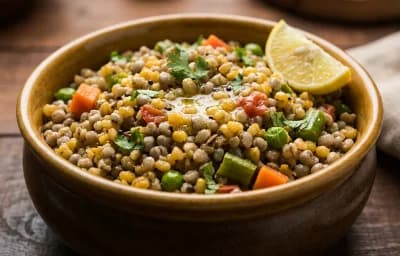
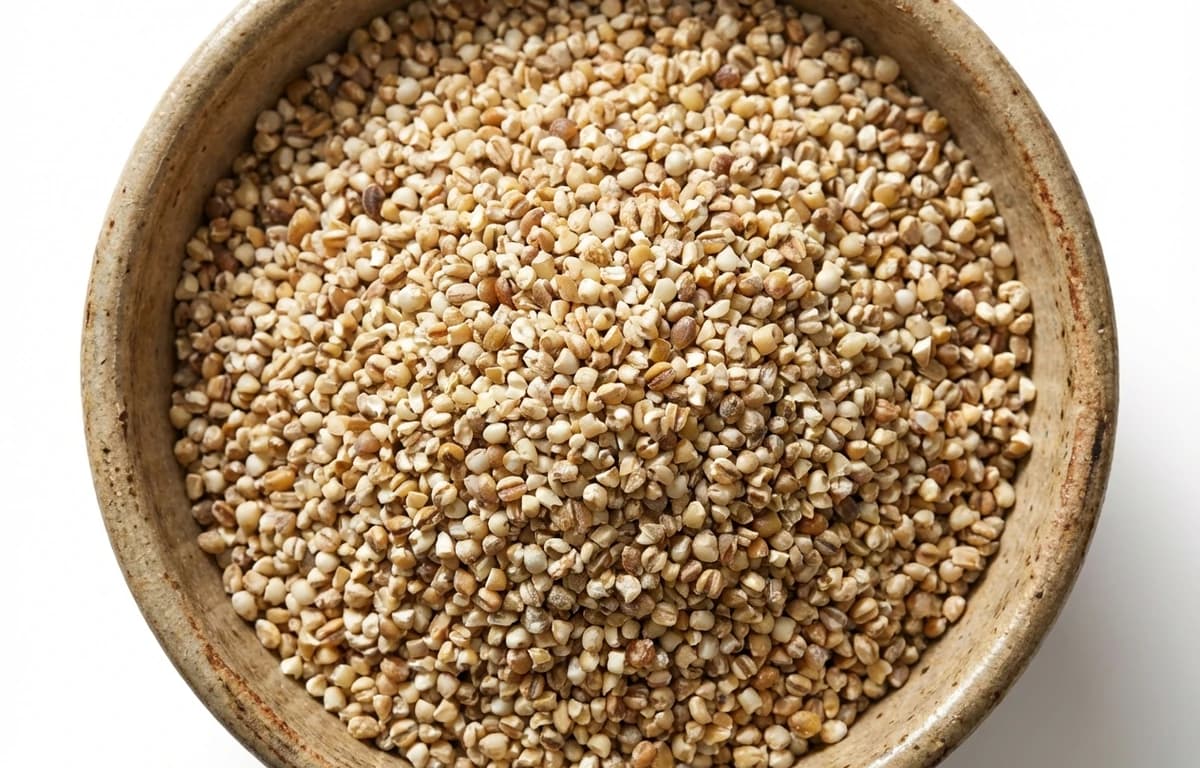
It has a mild, nutty flavor with a slightly earthy undertone. Because it is cracked, it has a texture similar to bulgur or couscous, making it excellent at absorbing the flavors of spices and sauces.
cracked pearl millet is a versatile ingredient found in cuisines around the world. With 378 calories per 100g and 11.6 grams of protein, it's a nutritious addition to many dishes.
Explore more ingredients in the grain category with complete nutrition information.
View all grain →Discover 0 recipes featuring cracked pearl millet with step-by-step instructions.
Browse recipes →Absolutely. It works well as a direct substitute in pilafs, salads, and side dishes. It cooks faster than whole millet and offers a more porridge-like consistency if extra liquid is added.
Store it in an airtight container in a cool, dry, and dark place to protect its natural oils from going rancid. For long-term storage beyond six months, keeping it in the refrigerator or freezer is recommended.
Soaking is not mandatory but is recommended for 30–60 minutes to improve digestibility and reduce cooking time. Soaking also helps the body better absorb the minerals like iron and magnesium by reducing phytic acid.