Loading...
Per 100g
Nutrition data source: USDA FoodData Central
Cranberry sauce contains beneficial antioxidants and proanthocyanidins that support urinary and heart health. However, commercial versions are often high in added sugar, which can offset some health benefits. It is best enjoyed in moderation as part of a balanced diet.
Cranberries are rich in proanthocyanidins (PACs), which can help prevent bacteria from sticking to the bladder wall. While cranberry sauce contains these compounds, it is less concentrated than unsweetened juice and contains high sugar, so it should not be used as a primary medical treatment.
A 100g serving of cranberry sauce typically contains about 151 calories and 38.6 grams of carbohydrates. It is very low in protein (0.13g) and fat (0.2g), with almost all of its caloric content coming from sugar.
Most cranberry sauce is naturally vegan and gluten-free, as it is primarily made from cranberries, sugar, and water. However, you should always check the label for thickeners like gelatin (which is not vegan) or potential cross-contamination if you have a severe gluten allergy.
No, traditional cranberry sauce is not keto-friendly because it is very high in sugar. With nearly 39g of carbs per 100g, a single serving can exceed the daily carbohydrate limit for most ketogenic diets.
Once opened or prepared, cranberry sauce should be stored in an airtight container in the fridge, where it will stay fresh for 10 to 14 days. If you notice any mold, fermentation, or an off-smell, it should be discarded immediately.
Yes, cranberry sauce freezes very well. Store it in a freezer-safe container or heavy-duty freezer bag for up to 3 months. Thaw it in the refrigerator overnight before using, and give it a good stir to restore its original consistency.
cranberry sauce is a versatile ingredient found in cuisines around the world. With 151 calories per 100g and 0.13 grams of protein, it's a nutritious addition to many dishes.
Explore more ingredients in the condiment category with complete nutrition information.
View all condiment →Discover 1 recipes featuring cranberry sauce with step-by-step instructions.
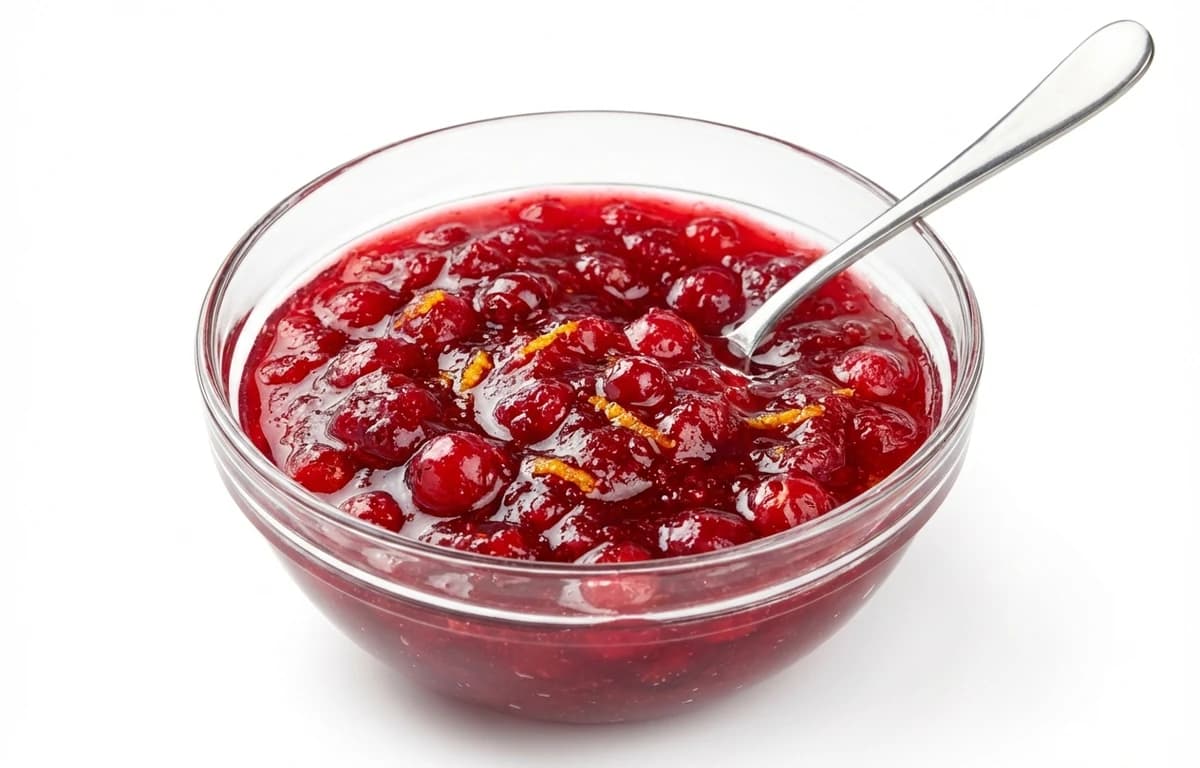
Browse recipes →Jellied cranberry sauce is cooked and strained to remove skins and seeds, resulting in a smooth, firm texture that holds the shape of its container. Whole berry sauce retains the cooked, intact fruits, providing a chunkier texture and a more rustic appearance.
Leftover sauce is highly versatile; it can be used as a spread for sandwiches, a topping for yogurt or oatmeal, or a glaze for roasted meats like pork and chicken. It also works well when mixed into muffin batter or served on a cheese board with brie.
Diabetics should consume traditional cranberry sauce with caution due to its high glycemic impact from the sugar content. It is recommended to look for 'no sugar added' versions or make a homemade version using a sugar substitute like stevia to better manage blood glucose levels.