
Dairy
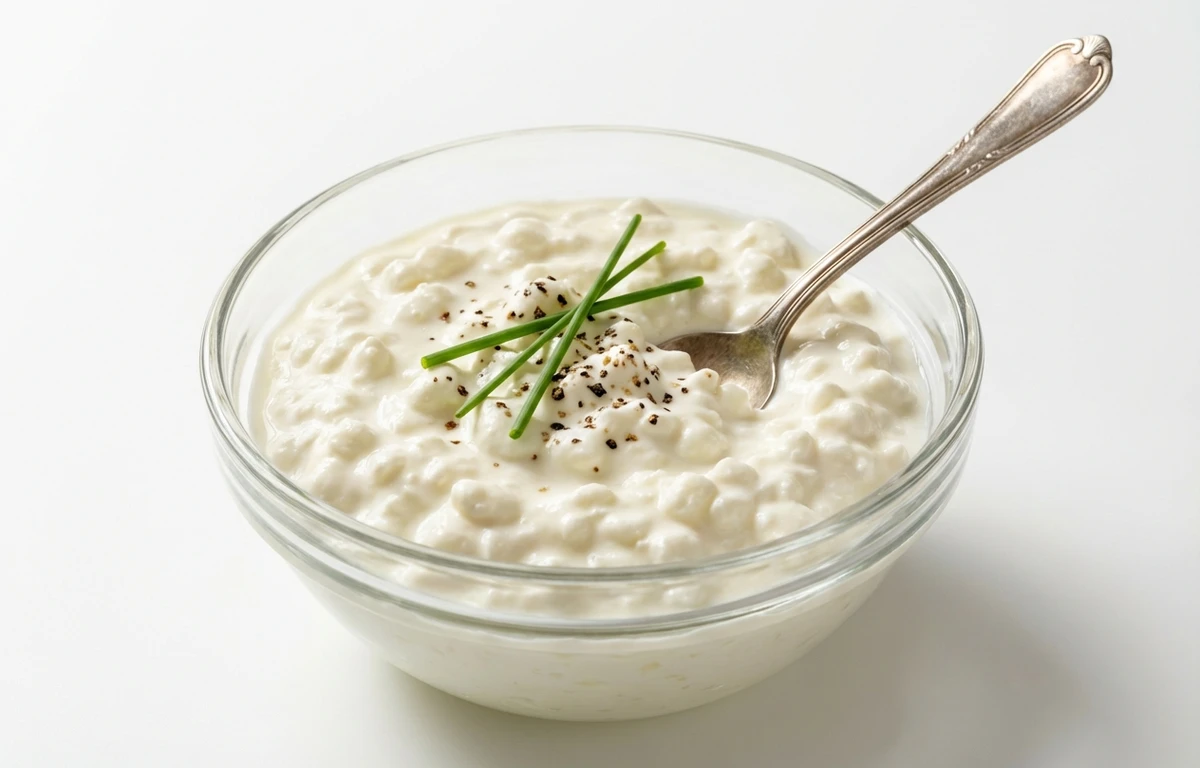
creamed cottage cheese.
VegetarianVeganGluten-freeDairy-freeNut-freePeanut-freeSoy-freeEgg-freeShellfish-freeHoney-freeAlcohol-freeFermented
ALSO KNOWN AS
creamed curd cheese
SERVING
CALORIES
98
PROTEIN
11.1g
CARBS
3.4g
FAT
4.3g
FIBER
0g
NUTRITION PROFILE · per 100 g
Everything in this ingredient.
MACRONUTRIENTS
Calories98kcal—
Protein11.1g22%
Carbohydrates3.4g1%
Fiber0g0%
Sugar2.7g5%
Total fat4.3g6%
Saturated fat2.6g13%
Trans fat0g—
Cholesterol17mg6%
Water79.8g—
MINERALS
Sodium364mg16%
Potassium104mg2%
Calcium83mg6%
Iron0.10mg1%
Magnesium8.0mg2%
Phosphorus159mg13%
Zinc0.40mg4%
Copper0.03mg3%
Manganese0.01mg0%
Selenium9.7µg18%
VITAMINS
Vitamin A37µg4%
Vitamin C0mg0%
Vitamin D0.10µg1%
Vitamin E0.08mg1%
Vitamin K0µg0%
Thiamin (B1)0.02mg2%
Riboflavin (B2)0.16mg12%
Niacin (B3)0.10mg1%
Pantothenic acid (B5)0.53mg11%
Vitamin B60.05mg3%
Folate (B9)12µg3%
Vitamin B120.43µg18%
%DV based on a 2,000 cal diet. Source: USDA FoodData Central. A dash in the %DV column means there’s no established Daily Value for that nutrient.
MEASUREMENT CONVERSIONS
How much is what.
1 cup225g
1 tablespoon14.2g
1 teaspoon4.7g
1 oz28.4g
1 lb453.6g
1 liter1050g
HEALTH BENEFITS
Why eat it.
- ✓High in casein protein which provides a slow release of amino acids
- ✓Good source of calcium for bone health
- ✓Contains B vitamins for energy metabolism
- ✓High protein content aids in muscle recovery and satiety
- ✓Rich in selenium which supports thyroid function
COOKING TIPS
In the kitchen.
- 1Blend until smooth to use as a high-protein substitute for ricotta or heavy cream
- 2Add to pancake or waffle batter for a boost of protein and moisture
- 3Drain in a fine-mesh sieve if a thicker consistency is needed for recipes
STORAGE
Keep it fresh.
- Keep refrigerated at all times in an airtight container
- Store the container upside down to create a vacuum seal that inhibits mold growth
- Consume within 7 to 10 days after opening the package
FAQ
Frequently asked questions.
How long does creamed cottage cheese last after opening?
Once opened, it typically stays fresh for 7 to 10 days if kept refrigerated in a sealed container.
Can you freeze creamed cottage cheese?
Freezing is not recommended as it significantly alters the texture, making it grainy and causing the liquid to separate.
What is a good substitute for creamed cottage cheese?
Ricotta cheese is the closest substitute. Greek yogurt or silken tofu can also work depending on the recipe.
Is creamed cottage cheese healthy for weight loss?
Yes, it is high in protein and relatively low in calories, which helps promote fullness and maintain muscle mass.
How can I tell if cottage cheese has gone bad?
Look for signs of mold, a sour or off-putting smell, or a change in color (yellowish tint).
Does cottage cheese contain probiotics?
Some brands add live and active cultures, but not all cottage cheese is fermented enough to be a significant source of probiotics.
What is the difference between creamed and dry curd cottage cheese?
Creamed cottage cheese has a 'dressing' of cream or milk added back to the curds, while dry curd has no added liquid.
Is cottage cheese high in sodium?
Yes, it is naturally higher in sodium than many other dairy products; look for 'low sodium' versions if monitoring salt intake.



















