
Loading...
Per 100g
Nutrition data source: USDA FoodData Central
Common measurement equivalents in grams
Yes, crude wheat bran is highly nutritious and is one of the best sources of insoluble dietary fiber. It supports digestive health, provides essential minerals like manganese and magnesium, and contains B vitamins like niacin that support energy metabolism.
Crude wheat bran contains approximately 15.55g of protein per 100g. It is most notable for its extremely high insoluble fiber content, which is significantly higher than most other grains and essential for maintaining digestive regularity.
No, crude wheat bran is not gluten-free. As it is the outer shell of the wheat kernel, it contains gluten proteins and is unsuitable for individuals with celiac disease or non-celiac gluten sensitivity.
Yes, it can be a helpful tool for weight management. The high fiber content increases feelings of fullness and satiety, which can help reduce overall calorie intake by preventing overeating.
It is commonly added to muffins, breads, and pancakes to boost fiber content. You can also sprinkle it raw over yogurt and cold cereal, or stir it into smoothies and hot oatmeal for added texture.
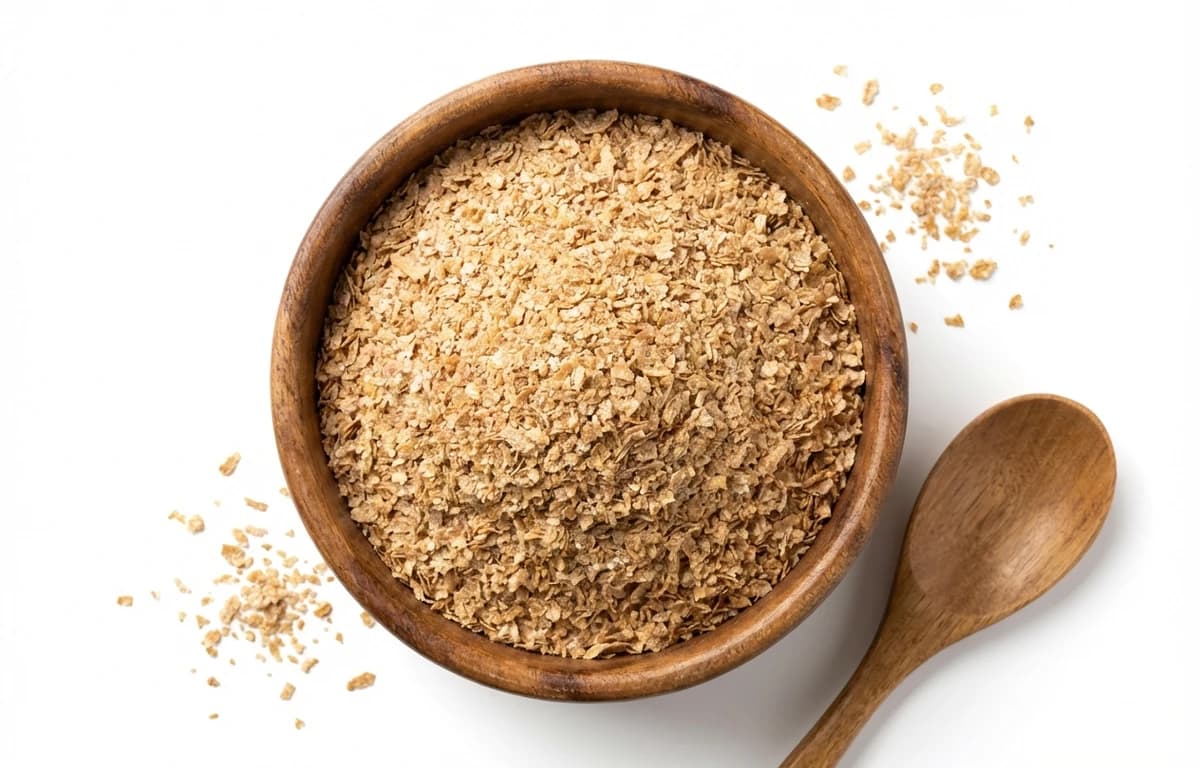
It has a mild, nutty, and slightly sweet flavor with a coarse, flaky texture. Because the flavor is subtle, it integrates well into baked goods and breakfast dishes without significantly altering the taste profile.
Yes, crude wheat bran can be eaten raw as a topping for yogurt or mixed into shakes. However, because it is very dry and fibrous, many people prefer it cooked into recipes or soaked in liquid to soften the texture.
crude wheat bran is a versatile ingredient found in cuisines around the world. With 216 calories per 100g and 15.55 grams of protein, it's a nutritious addition to many dishes.
Explore more ingredients in the grain category with complete nutrition information.
View all grain →Discover 0 recipes featuring crude wheat bran with step-by-step instructions.
Browse recipes →With approximately 64.51g of carbohydrates per 100g, it is generally not considered keto-friendly in large amounts. While it is high in fiber, the net carb count is usually too high for a strict ketogenic diet.
Store it in an airtight container in a cool, dry place to prevent moisture absorption. Because it contains natural oils that can go rancid, it is best stored in the refrigerator or freezer for long-term freshness.
Yes, it is highly effective for promoting regularity. The insoluble fiber adds bulk to the stool and speeds up its passage through the colon, which helps prevent constipation and may lower the risk of colon cancer.