
Other1 recipes
crystal malt.
VegetarianVeganGluten-freeDairy-freeNut-freePeanut-freeSoy-freeEgg-freeShellfish-freeHoney-freeAlcohol-freeWhole grain
ALSO KNOWN AS
caramel malt
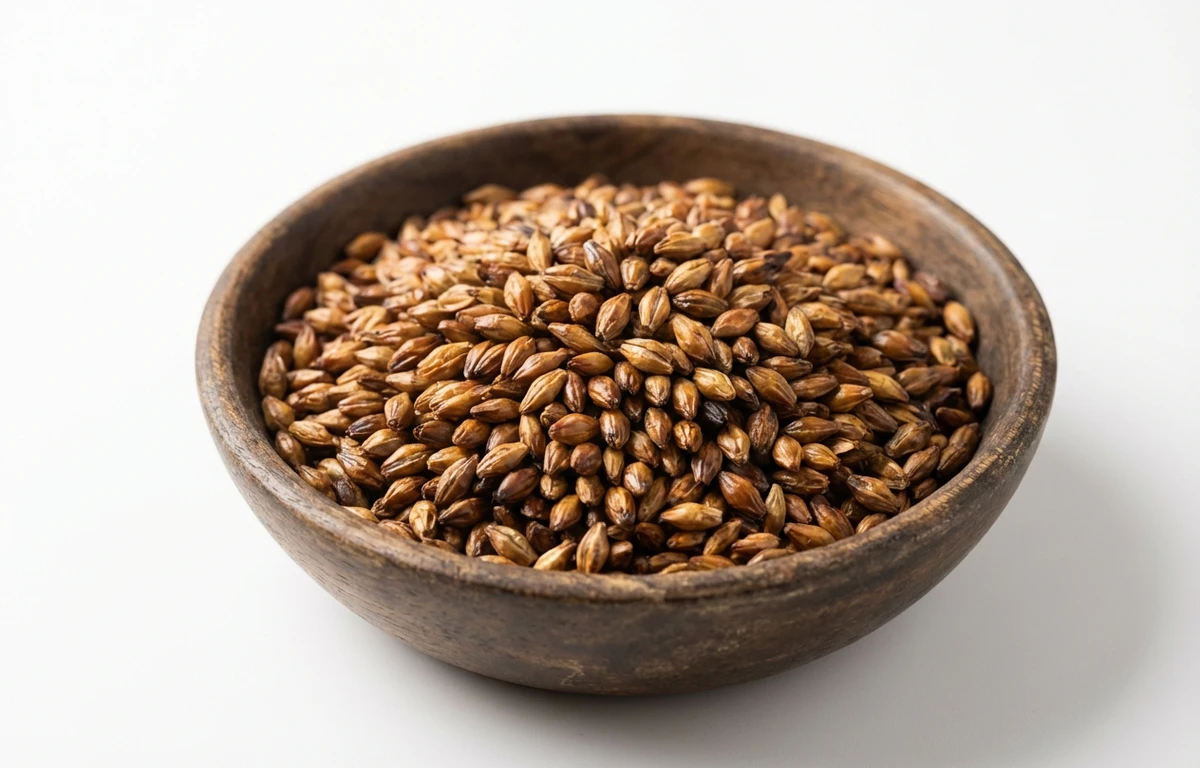
SERVING
CALORIES
380
PROTEIN
5.0g
CARBS
86.6g
FAT
1.5g
FIBER
10g
Per 100 g, it provides 2.2 µg of vitamin K.
NUTRITION PROFILE · per 100 g
Everything in this ingredient.
MACRONUTRIENTS
Calories380kcal—
Protein5.0g10%
Carbohydrates86.6g31%
Fiber10g36%
Sugar40g80%
Total fat1.5g2%
Saturated fat0.20g1%
Cholesterol0mg0%
Water8.0g—
MINERALS
Sodium10mg0%
Potassium200mg4%
Calcium20mg2%
Iron2.0mg11%
Magnesium133mg32%
Phosphorus330mg26%
Zinc2.1mg19%
Copper0.40mg44%
Manganese0.80mg35%
Selenium37.7µg69%
VITAMINS
Vitamin A0µg0%
Vitamin C0mg0%
Vitamin D0µg0%
Vitamin E0.60mg4%
Vitamin K2.2µg2%
Thiamin (B1)0.60mg50%
Riboflavin (B2)0.20mg15%
Niacin (B3)6.9mg43%
Pantothenic acid (B5)0.90mg18%
Vitamin B60.30mg18%
Folate (B9)55µg14%
Vitamin B120µg0%
%DV based on a 2,000 cal diet. Source: USDA FoodData Central. A dash in the %DV column means there’s no established Daily Value for that nutrient.
MEASUREMENT CONVERSIONS
How much is what.
1 cup177.4g
1 tablespoon11.1g
1 teaspoon3.7g
1 oz28.4g
1 lb453.6g
1 ml0.8g
1 liter740g
HEALTH BENEFITS
Why eat it.
- ✓Source of B-vitamins, such as niacin and thiamin, which are important for energy metabolism.
- ✓Provides some dietary fiber from the original barley grain, aiding in digestive health and promoting gut health.
- ✓Adds complex carbohydrates and unfermentable sugars, which can contribute to the body and mouthfeel of beverages.
COOKING TIPS
In the kitchen.
- 1In brewing, steep crushed crystal malt in hot water (around 150-170°F or 65-77°C) to extract its characteristic caramel flavor, color, and unfermentable sugars.
- 2Incorporate a small amount of finely crushed crystal malt or malt flour into bread or cookie dough to add a rich, malty sweetness and a darker crust color.
- 3Avoid boiling the grains when steeping, as this can extract harsh-tasting tannins from the husks.
- 4Use as a flavoring component in homemade malted milkshakes or non-alcoholic beverages for a toffee-like depth.
STORAGE
Keep it fresh.
- Store whole or crushed grains in a cool, dark, and dry place in an airtight container to prevent moisture absorption and pest infestation.
- For optimal freshness, use crushed crystal malt within 6 months and whole kernels within a year of the milling date.
FAQ
Frequently asked questions.
What are the nutritional benefits of crystal malt?
Crystal malt offers 5g of protein and some dietary fiber per 100g, which supports digestive health. It is particularly valued for its complex carbohydrates and unfermentable sugars, which provide energy and contribute to the body of beverages.
Is crystal malt vegan?
Yes, crystal malt is vegan. It is a plant-based ingredient made entirely from barley grain that has undergone a specific heating and drying process to caramelize its internal sugars.
Is crystal malt keto-friendly?
No, crystal malt is not keto-friendly. It contains approximately 86.6g of carbohydrates per 100g, which is too high for a standard ketogenic diet that requires low carbohydrate intake.
What is crystal malt used for?
It is primarily used in brewing to add color, sweetness, and a fuller mouthfeel to beer. Because the sugars are caramelized and largely unfermentable, they persist through the brewing process to provide a distinct caramel or toffee flavor.
What does crystal malt taste like?
Crystal malt has a sweet, toasted flavor profile. Depending on how long it was roasted, the taste can range from light honey and caramel to deeper notes of toffee, dark fruit, or burnt sugar.
Can I eat crystal malt raw?
Yes, crystal malt can be eaten raw and is often described as having a crunchy, candy-like texture. It is sometimes used as a topping for yogurt or incorporated into granola and baked goods for added crunch and sweetness.
How should I store crystal malt?
Store crystal malt in a cool, dry, and dark environment inside an airtight container to protect it from moisture and pests. Whole kernels can stay fresh for up to 12 months, while crushed or milled malt should be used within a few weeks for the best flavor.
How do I know if crystal malt has gone bad?
Fresh crystal malt should be crunchy and have a pleasant, sweet aroma. If the grain feels soft or slack, smells musty or sour, or shows signs of mold or insect activity, it has spoiled and should be discarded.
RECIPES
Cook with crystal malt.
1 recipes · sorted by what’s quick



















