
Spice
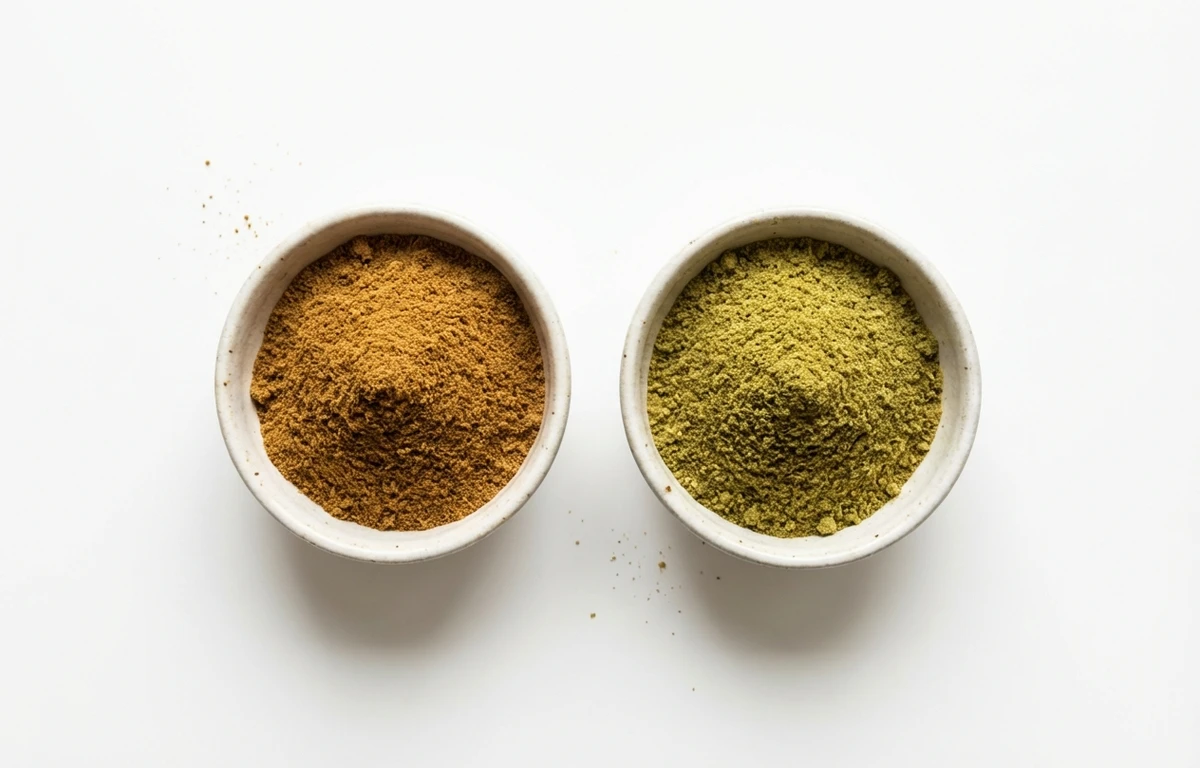
cumin coriander powder.
VegetarianVeganGluten-freeDairy-freeNut-freePeanut-freeSoy-freeEgg-freeShellfish-freeHoney-freeAlcohol-free
ALSO KNOWN AS
dhana jeera powderdhania jeera powderground cumin and coriandercumin-coriander mixdhana jiru
SERVING
CALORIES
335
PROTEIN
14.5g
CARBS
48.2g
FAT
16.8g
FIBER
32.5g
NUTRITION PROFILE · per 100 g
Everything in this ingredient.
MACRONUTRIENTS
Calories335kcal—
Protein14.5g29%
Carbohydrates48.2g18%
Fiber32.5g116%
Sugar1.5g3%
Total fat16.8g22%
Saturated fat1.1g6%
Trans fat0g—
Cholesterol0mg0%
Water8.5g—
MINERALS
Sodium125mg5%
Potassium1550mg33%
Calcium810mg62%
Iron48.5mg269%
Magnesium345mg82%
Phosphorus460mg37%
Zinc4.5mg41%
Copper0.90mg100%
Manganese2.8mg122%
Selenium10.2µg19%
VITAMINS
Vitamin A45µg5%
Vitamin C12.5mg14%
Vitamin D0µg0%
Vitamin E2.5mg17%
Vitamin K42µg35%
Thiamin (B1)0.50mg42%
Riboflavin (B2)0.40mg31%
Niacin (B3)3.8mg24%
Pantothenic acid (B5)0.50mg10%
Vitamin B60.50mg29%
Folate (B9)15µg4%
Vitamin B120µg0%
%DV based on a 2,000 cal diet. Source: USDA FoodData Central. A dash in the %DV column means there’s no established Daily Value for that nutrient.
MEASUREMENT CONVERSIONS
How much is what.
1 cup120g
1 tablespoon7.5g
1 teaspoon2.5g
1 oz28.4g
1 lb453.6g
1 ml0.5g
HEALTH BENEFITS
Why eat it.
- ✓Aids digestion and reduces bloating
- ✓Excellent source of dietary iron
- ✓Contains antioxidants that reduce oxidative stress
- ✓May help in managing blood sugar levels
- ✓Possesses anti-inflammatory properties
COOKING TIPS
In the kitchen.
- 1Add to hot oil (tempering) at the start of cooking to release aroma
- 2Mix with a little water to form a paste before adding to hot pans to prevent burning
- 3Use as a dry rub for meats or vegetables before roasting
STORAGE
Keep it fresh.
- Store in an airtight glass container to preserve essential oils
- Keep in a cool, dark, and dry place away from direct sunlight
- Avoid using a wet spoon to prevent clumping and mold growth
FAQ
Frequently asked questions.
How long does cumin coriander powder last?
It typically stays fresh for 6 to 12 months if stored in an airtight container in a cool, dark place. After this, it loses its potency and aroma.
Can I freeze cumin coriander powder?
Yes, you can freeze it in an airtight, moisture-proof bag to extend its shelf life up to 2 years, though it is usually unnecessary if kept dry.
What is the best substitute for this powder?
The best substitute is a 1:1 mixture of ground cumin and ground coriander. If you only have one, use coriander for a citrusy note or cumin for earthiness.
How can I tell if the powder has gone bad?
Rub a small amount between your fingers; if the aroma is weak or non-existent, the spice is stale. If you see any clumping or mold, discard it.
What is the standard ratio of cumin to coriander in this mix?
While it varies by region, the most common ratio is 1 part cumin to 1 part coriander, or 1 part cumin to 2 parts coriander for a milder flavor.
Is cumin coriander powder gluten-free?
Pure cumin coriander powder is naturally gluten-free. However, check labels for cross-contamination if you have a severe allergy.
Can I make this at home?
Yes, dry roast whole cumin and coriander seeds separately until fragrant, let them cool, and then grind them together into a fine powder.
What are the most common dishes that use this spice?
It is a staple in Indian curries, dals, vegetable stir-fries (sabzi), and is often used in Middle Eastern spice rubs.
Does it contain any allergens?
It does not contain common allergens like nuts, soy, or dairy, but individuals with spice sensitivities should use it with caution.
Is it suitable for a Jain diet?
Yes, it is suitable for Jain and Sattvic diets as it is made from seeds and does not contain root vegetables like onion or garlic.



















