
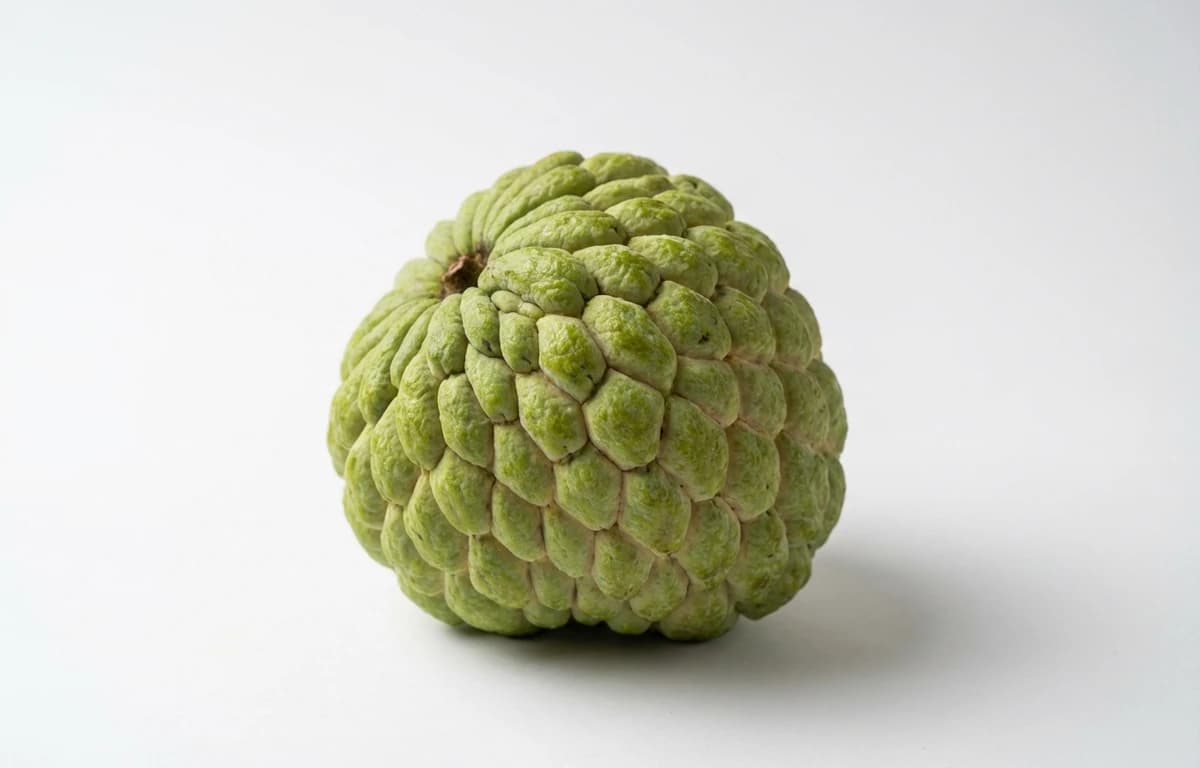
custard apple
Also known as:
Loading...
Also known as:
Per 100g
Nutrition data source: USDA FoodData Central
Common measurement equivalents in grams
Yes, custard apple is very healthy. It's rich in antioxidants like Vitamin C, which boosts immunity, and provides potassium and magnesium essential for heart health. Its high dietary fiber content also aids digestion and promotes gut health.
Per 100g, custard apple contains approximately 99 calories, 1.62g protein, 20.38g carbohydrates, and 0.67g fat. It's a good source of Vitamin C, potassium, magnesium, and Vitamin B6, all contributing to overall well-being and various bodily functions.
While custard apple is nutritious and its fiber content can promote satiety, it is relatively high in natural sugars and calories. It can be part of a healthy diet, but consume it in moderation if you are monitoring your calorie intake for weight management.
Custard apple contains natural sugars and has a moderate glycemic index. Diabetics can consume it in small, controlled portions, but it's crucial to monitor blood sugar levels and consult with a healthcare professional or dietitian for personalized dietary advice.
Yes, custard apple is naturally vegan as it is a fruit and contains no animal products. It is also naturally gluten-free, making it suitable for individuals following these specific dietary restrictions.
Custard apples are best eaten fresh and raw. Simply cut the ripe fruit in half or quarters, then scoop out the creamy white flesh with a spoon, carefully discarding the inedible seeds and skin. It can also be blended into smoothies or used in desserts.
Custard apple has a unique, sweet, and creamy flavor often described as a blend of pineapple, banana, and pear, with hints of vanilla. Its texture is soft and slightly grainy, similar to a ripe pear or custard.
custard apple is a versatile ingredient found in cuisines around the world. With 98.95 calories per 100g and 1.62 grams of protein, it's a nutritious addition to many dishes.
Explore more ingredients in the fruit category with complete nutrition information.
View all fruit →Discover 0 recipes featuring custard apple with step-by-step instructions.
Browse recipes →Unripe custard apples should be stored at room temperature until they soften. Once ripe, they can be refrigerated for 2-3 days to extend their freshness. Avoid storing them in plastic bags, as this can accelerate spoilage.
A ripe custard apple will yield slightly to gentle pressure, similar to a ripe avocado. The skin may also start to turn a bit darker or show slight cracks. Avoid fruit that is overly soft, mushy, or has large dark spots.
No, the seeds and skin of a custard apple are not edible and should be discarded. The seeds contain toxic compounds and should never be consumed. Only the creamy white flesh inside is safe to eat.