
Other1 recipes
custard powder.
VegetarianVeganGluten-freeDairy-freeNut-freePeanut-freeSoy-freeEgg-freeShellfish-freeHoney-freeAlcohol-free
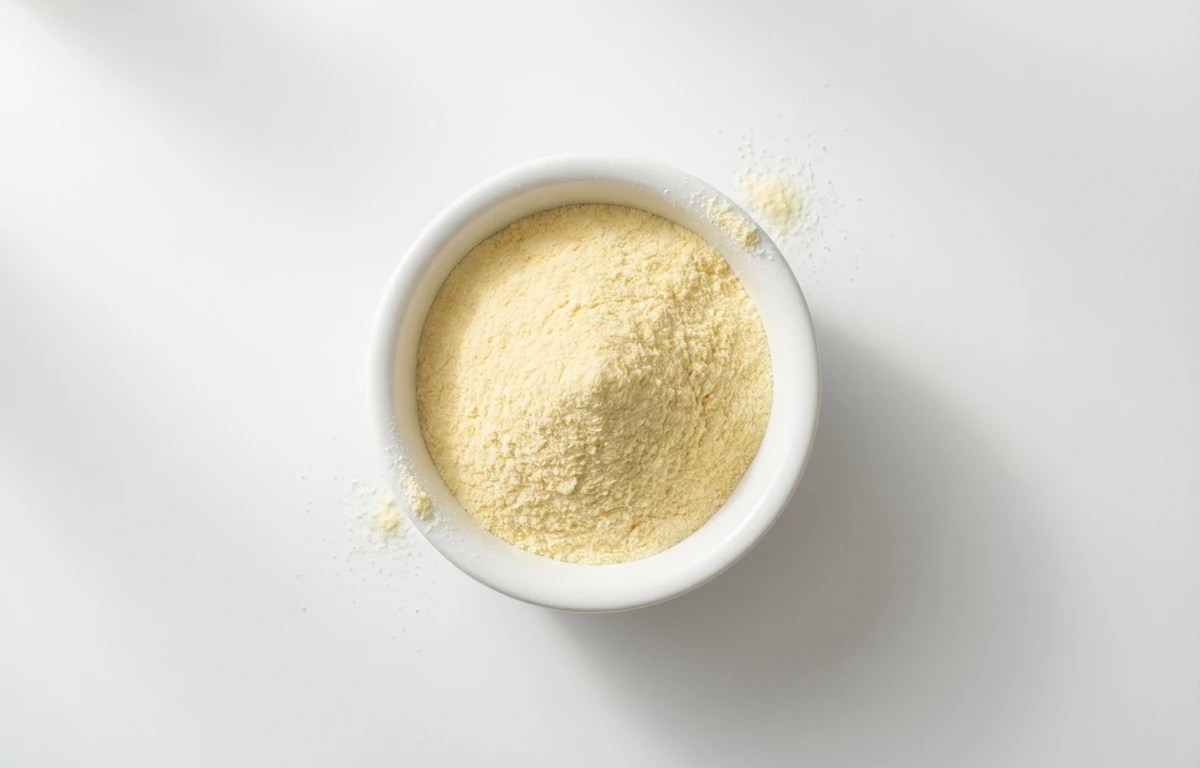
SERVING
CALORIES
365
PROTEIN
0.50g
CARBS
89g
FAT
0.50g
FIBER
0g
This ingredient is flagged as naturally gluten-free. Per 100 g, it provides 0 µg of vitamin K.
NUTRITION PROFILE · per 100 g
Everything in this ingredient.
MACRONUTRIENTS
Calories365kcal—
Protein0.50g1%
Carbohydrates89g32%
Fiber0g0%
Sugar55g110%
Total fat0.50g1%
Saturated fat0.10g1%
Trans fat0g—
Cholesterol0mg0%
Water5.0g—
MINERALS
Sodium15mg1%
Potassium10mg0%
Calcium5.0mg0%
Iron0.50mg3%
Magnesium10mg2%
Phosphorus20mg2%
Zinc0.10mg1%
Copper0.02mg2%
Manganese0.03mg1%
Selenium0.70µg1%
VITAMINS
Vitamin A0µg0%
Vitamin C0mg0%
Vitamin D0µg0%
Vitamin E0mg0%
Vitamin K0µg0%
Thiamin (B1)0.01mg1%
Riboflavin (B2)0.01mg1%
Niacin (B3)0.10mg1%
Pantothenic acid (B5)0.05mg1%
Vitamin B60.01mg1%
Folate (B9)1.0µg0%
Vitamin B120µg0%
%DV based on a 2,000 cal diet. Source: USDA FoodData Central. A dash in the %DV column means there’s no established Daily Value for that nutrient.
MEASUREMENT CONVERSIONS
How much is what.
1 cup125g
1 tablespoon9g
1 teaspoon3g
1 ml0.6g
1 liter600g
HEALTH BENEFITS
Why eat it.
- ✓Serves as an egg-free alternative to traditional custard, suitable for individuals with egg allergies (verify brand label).
- ✓Provides a quick source of energy from carbohydrates, primarily cornstarch.
- ✓Can be used to create lower-fat desserts when prepared with skim milk or plant-based milk alternatives.
- ✓Versatile base that can be prepared with dairy-free milks to suit vegan or lactose-intolerant diets.
COOKING TIPS
In the kitchen.
- 1To prevent lumps, create a smooth paste by mixing the powder with a small amount of cold milk before adding it to the main pot of simmering milk.
- 2Stir constantly over medium-low heat until the mixture thickens to prevent it from scorching on the bottom of the pan.
- 3The custard will continue to thicken as it cools; for a pouring consistency, use slightly less powder or add more milk.
- 4Enhance the flavor by adding vanilla extract, nutmeg, or cinnamon after the custard has been cooked.
STORAGE
Keep it fresh.
- Store in a cool, dry pantry in its original packaging or an airtight container to prevent moisture absorption and clumping.
- Keep away from strong-smelling ingredients as the powder can absorb odors, affecting the final taste.
FAQ
Frequently asked questions.
Is custard powder healthy?
Custard powder itself is primarily a carbohydrate source (cornstarch) and offers minimal protein or fat. While it can be an egg-free alternative for those with allergies and provides quick energy, its healthfulness largely depends on how it's prepared. Using skim milk or plant-based alternatives can create a lower-fat dessert, but it's generally high in carbohydrates and often consumed with added sugar, so moderation is key.
What are the nutritional values of custard powder?
Per 100g, custard powder typically contains approximately 365 calories, 0.5g protein, 89g carbohydrates, and 0.5g fat. It is predominantly a source of carbohydrates, mainly from cornstarch, and provides very little in terms of protein or dietary fats.
Is custard powder vegan?
Most custard powders are vegan, as they are typically made from cornstarch, flavorings, and colorings, without animal-derived ingredients. However, it's crucial to check the ingredient list on the specific brand, as some may contain milk derivatives or other non-vegan additives.
How do you prepare custard powder?
To prepare custard from powder, first mix a small amount of the powder with a little cold milk or water to form a smooth paste. Then, gradually stir this paste into hot milk (often sweetened with sugar) while continuously whisking. Continue to cook over medium heat until the mixture thickens to your desired consistency.
What does custard powder taste like?
Custard powder itself has a neutral, starchy taste, but once prepared, it yields a mild, creamy, and sweet vanilla-flavored custard. The final taste is heavily influenced by the amount of sugar and type of milk used in its preparation, offering a comforting and familiar dessert flavor.
RECIPES
Cook with custard powder.
1 recipes · sorted by what’s quick



















