spice
dagad phul.
VegetarianVeganGluten-freeDairy-freeNut-freePeanut-freeSoy-freeEgg-freeShellfish-freeHoney-freeAlcohol-free
SERVING
CALORIES
260
PROTEIN
4.5g
CARBS
58g
FAT
1.2g
FIBER
35g
NUTRITION PROFILE · per 100 g
Everything in this ingredient.
MACRONUTRIENTS
Calories260kcal—
Protein4.5g9%
Carbohydrates58g21%
Fiber35g125%
Sugar0.50g1%
Total fat1.2g2%
Saturated fat0.20g1%
Trans fat0g—
Cholesterol0mg0%
Water10g—
MINERALS
Sodium15mg1%
Potassium450mg10%
Calcium120mg9%
Iron15mg83%
Magnesium60mg14%
Phosphorus80mg6%
Zinc2.5mg23%
Copper0.40mg44%
Manganese1.2mg52%
Selenium2.0µg4%
VITAMINS
Vitamin A0µg0%
Vitamin C2.0mg2%
Vitamin D0µg0%
Vitamin E0.50mg3%
Vitamin K5.0µg4%
Thiamin (B1)0.10mg8%
Riboflavin (B2)0.20mg15%
Niacin (B3)1.5mg9%
Pantothenic acid (B5)0.30mg6%
Vitamin B60.10mg6%
Folate (B9)15µg4%
Vitamin B120µg0%
%DV based on a 2,000 cal diet. Source: USDA FoodData Central. A dash in the %DV column means there’s no established Daily Value for that nutrient.
MEASUREMENT CONVERSIONS
How much is what.
1 teaspoon0.8g
HEALTH BENEFITS
Why eat it.
- ✓Possesses anti-inflammatory and analgesic properties, traditionally used to reduce pain and inflammation.
- ✓Exhibits antimicrobial and antifungal activities, which may help in fighting certain infections.
- ✓Acts as a good digestive aid, traditionally used to treat indigestion and improve appetite.
- ✓Contains antioxidants that help combat oxidative stress in the body.
COOKING TIPS
In the kitchen.
- 1The flavor of dagad phul is best released when it is tempered in hot oil or ghee at the beginning of the cooking process.
- 2It imparts a unique smoky, earthy flavor and is a key ingredient in spice blends like Goda Masala and is essential for authentic Chettinad cuisine.
- 3Use sparingly as its flavor is potent and can be overpowering if used in large quantities.
- 4It is typically used whole in slow-cooked dishes like biryanis, meat curries, and dals, and is not usually ground into a powder.
STORAGE
Keep it fresh.
- Store in a cool, dark, and dry place, such as a pantry or spice cabinet, away from direct sunlight and heat.
- Keep in an airtight container to preserve its unique earthy aroma and prevent it from absorbing moisture.
FAQ
Frequently asked questions.
What is Dagad Phul?
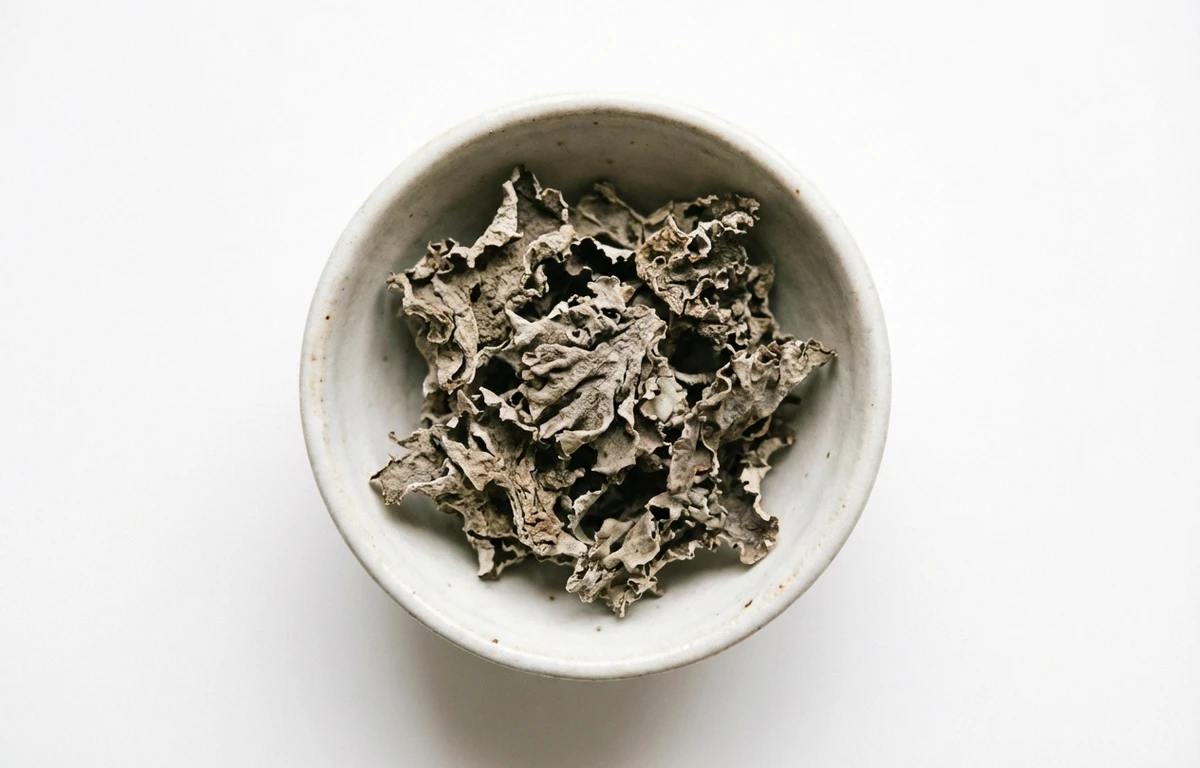
Dagad Phul, also known as Stone Flower or Black Stone Flower, is an edible lichen used as a spice, particularly in Indian cuisine. It grows on rocks and trees, absorbing flavors from its environment, and is known for its unique earthy aroma.
Is Dagad Phul healthy? What are its health benefits?
Yes, dagad phul offers several traditional health benefits. It's known for its anti-inflammatory and analgesic properties, potentially helping to reduce pain and inflammation. It also exhibits antimicrobial and antifungal activities and acts as a digestive aid, containing antioxidants.
What are the nutritional values of Dagad Phul?
Per 100g, dagad phul contains approximately 260 calories, 4.5g of protein, 58g of carbohydrates, and 1.2g of fat. While typically used in small quantities, it contributes a unique flavor profile rather than significant nutritional bulk to a dish.
Does Dagad Phul help with digestion?
Traditionally, dagad phul has been used as a digestive aid. It is believed to help treat indigestion and improve appetite, contributing to overall digestive well-being when incorporated into meals.
Is Dagad Phul vegan and gluten-free?
Yes, dagad phul is naturally vegan as it is a plant-based lichen. It is also gluten-free, making it suitable for individuals following vegan or gluten-free diets.
Is Dagad Phul keto-friendly or low-carb?
Given its carbohydrate content of 58g per 100g, dagad phul is not considered low-carb or keto-friendly if consumed in large quantities. However, since it's used as a spice in very small amounts, its contribution to total carb intake in a dish is usually negligible.
What does Dagad Phul taste like and how is it used in cooking?
Dagad phul has a subtle, earthy, woody, and slightly mossy flavor with a unique aroma. It's primarily used as a thickening agent and flavor enhancer in slow-cooked dishes, stews, and gravies, especially in Maharashtrian, Chettinad, and Hyderabadi cuisines.
How do you prepare or use Dagad Phul in dishes?
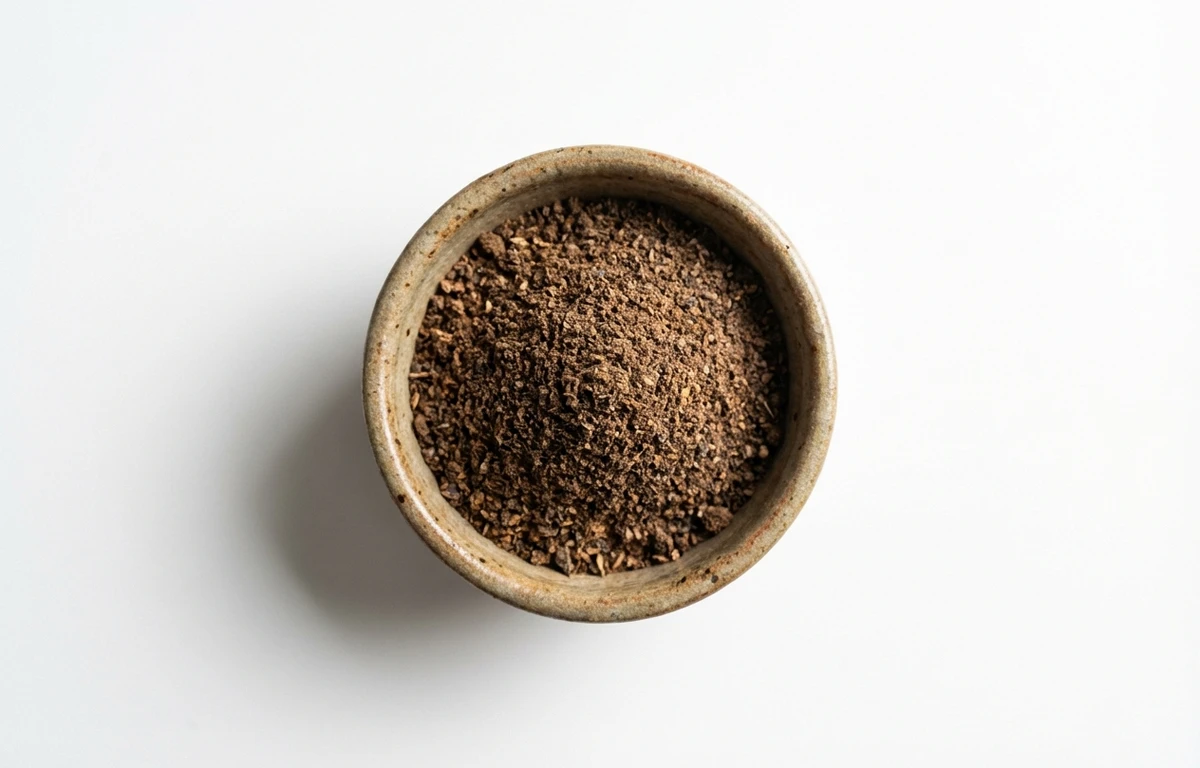
Before use, dagad phul is often lightly roasted in a dry pan to enhance its aroma, then crushed or ground into a powder. It's typically added early in the cooking process, often with other whole spices, to allow its unique flavor to infuse into the dish.
How should I store Dagad Phul?
Dagad phul should be stored in an airtight container in a cool, dark, and dry place, away from direct sunlight and moisture. Proper storage helps preserve its delicate aroma and flavor for longer.
How long does Dagad Phul last?
When stored correctly, whole dagad phul can retain its potency for up to 1-2 years. Ground dagad phul will lose its flavor more quickly, typically within 6-12 months, so it's best to grind it fresh when needed.