
Other1 recipes
dark brown sugar.
VegetarianVeganGluten-freeDairy-freeNut-freePeanut-freeSoy-freeEgg-freeShellfish-freeHoney-freeAlcohol-free
SERVING
CALORIES
380
PROTEIN
0.12g
CARBS
98.1g
FAT
0g
FIBER
0g
This ingredient is flagged as naturally gluten-free. Per 100 g, it provides 0 µg of vitamin K.
NUTRITION PROFILE · per 100 g
Everything in this ingredient.
MACRONUTRIENTS
Calories380kcal—
Protein0.12g0%
Carbohydrates98.1g36%
Fiber0g0%
Sugar97g194%
Total fat0g0%
Saturated fat0g0%
Cholesterol0mg0%
Water1.3g—
MINERALS
Sodium28mg1%
Potassium133mg3%
Calcium83mg6%
Iron0.71mg4%
Magnesium9.0mg2%
Phosphorus4.0mg0%
Zinc0.03mg0%
Copper0.05mg6%
Manganese0.06mg3%
Selenium1.2µg2%
VITAMINS
Vitamin A0µg0%
Vitamin C0mg0%
Vitamin D0µg0%
Vitamin E0mg0%
Vitamin K0µg0%
Thiamin (B1)0mg0%
Riboflavin (B2)0mg0%
Niacin (B3)0.11mg1%
Pantothenic acid (B5)0.13mg3%
Vitamin B60.04mg2%
Folate (B9)1.0µg0%
Vitamin B120µg0%
%DV based on a 2,000 cal diet. Source: USDA FoodData Central. A dash in the %DV column means there’s no established Daily Value for that nutrient.
MEASUREMENT CONVERSIONS
How much is what.
1 cup220g
1 tablespoon14g
1 teaspoon4.7g
1 ml0.9g
1 liter933.3g
HEALTH BENEFITS
Why eat it.
- ✓Provides trace amounts of minerals such as calcium, potassium, iron, and magnesium from its molasses content.
- ✓Offers a quick source of carbohydrates for immediate energy.
COOKING TIPS
In the kitchen.
- 1When measuring for recipes, pack the brown sugar firmly into the measuring cup to ensure accuracy.
- 2Its high moisture content makes it ideal for creating soft, chewy baked goods like cookies and brownies.
- 3Use it to create rich glazes for meats like ham and salmon, or as a key ingredient in barbecue sauces and marinades.
- 4The deep, caramel-like flavor enhances dishes like baked beans, oatmeal, and candied sweet potatoes.
STORAGE
Keep it fresh.
- Store in an airtight container in a cool, dark place to prevent it from drying out and hardening.
- To soften hardened brown sugar, place a slice of apple, a piece of bread, or a damp paper towel in the container overnight.
- Avoid storing in the refrigerator, as the cold, dry air can cause it to harden more quickly.
FAQ
Frequently asked questions.
Is dark brown sugar healthy?
Dark brown sugar provides quick energy and trace minerals like calcium, potassium, iron, and magnesium due to its molasses content. However, it is primarily a source of carbohydrates and calories, offering little nutritional value beyond that. It should be consumed in moderation as part of a balanced diet.
How much sugar and calories are in dark brown sugar?
Per 100g, dark brown sugar contains approximately 380 calories and 98.09g of carbohydrates, almost entirely from sugar. While it offers trace minerals, its primary nutritional contribution is as a concentrated source of energy.
Is dark brown sugar vegan?
Dark brown sugar is generally considered vegan. Unlike some white sugars that may be processed with bone char, brown sugar typically gets its color and flavor from molasses, which is a plant-based product. Always check the specific brand if you have concerns about processing methods.
Is dark brown sugar gluten-free?
Yes, dark brown sugar is naturally gluten-free. It is derived from sugar cane or sugar beets and does not contain wheat, barley, rye, or any gluten-containing ingredients. It is safe for individuals following a gluten-free diet.
What does dark brown sugar taste like and what is it used for?
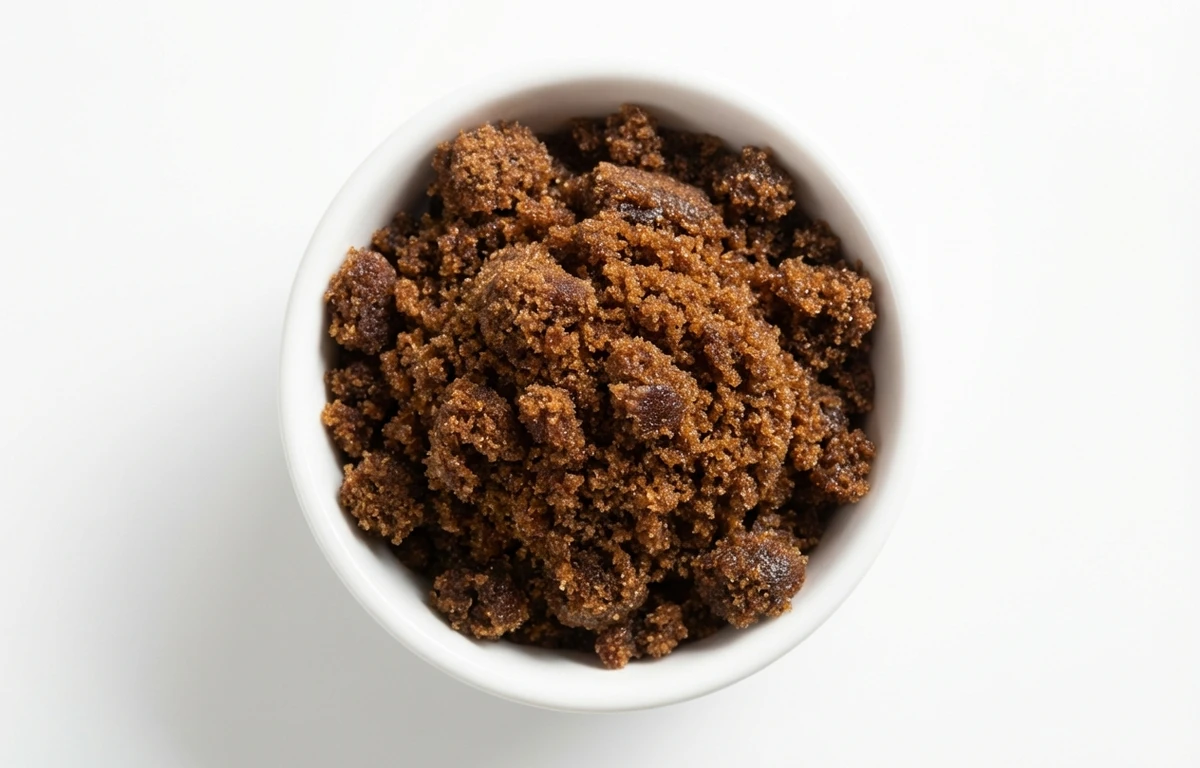
Dark brown sugar has a deep, rich, caramel-like flavor with a hint of molasses, and a moist, fine texture. It's commonly used in baking for items like gingerbread, fruitcakes, and barbecue sauces, where its robust flavor and moisture contribute to a chewy texture and rich taste.
Can I substitute dark brown sugar for light brown sugar or white sugar?
You can often substitute dark brown sugar for light brown sugar, but it will result in a deeper molasses flavor and potentially a slightly chewier texture. Substituting it for white sugar will significantly alter the flavor and moisture content of a recipe, so it's generally not a direct 1:1 swap without recipe adjustments.
How long does dark brown sugar last?
Dark brown sugar does not truly expire, but its quality can degrade over time, especially if not stored properly. When kept in an airtight container, it can last indefinitely, though it may harden. For best quality, it's recommended to use it within two years.
What gives dark brown sugar its color and flavor?
Dark brown sugar gets its distinctive color, moist texture, and rich, caramel-like flavor from its higher molasses content compared to light brown sugar or white sugar. Molasses is a byproduct of the sugar refining process, and it's either left in the sugar crystals or added back in.



















