
Other
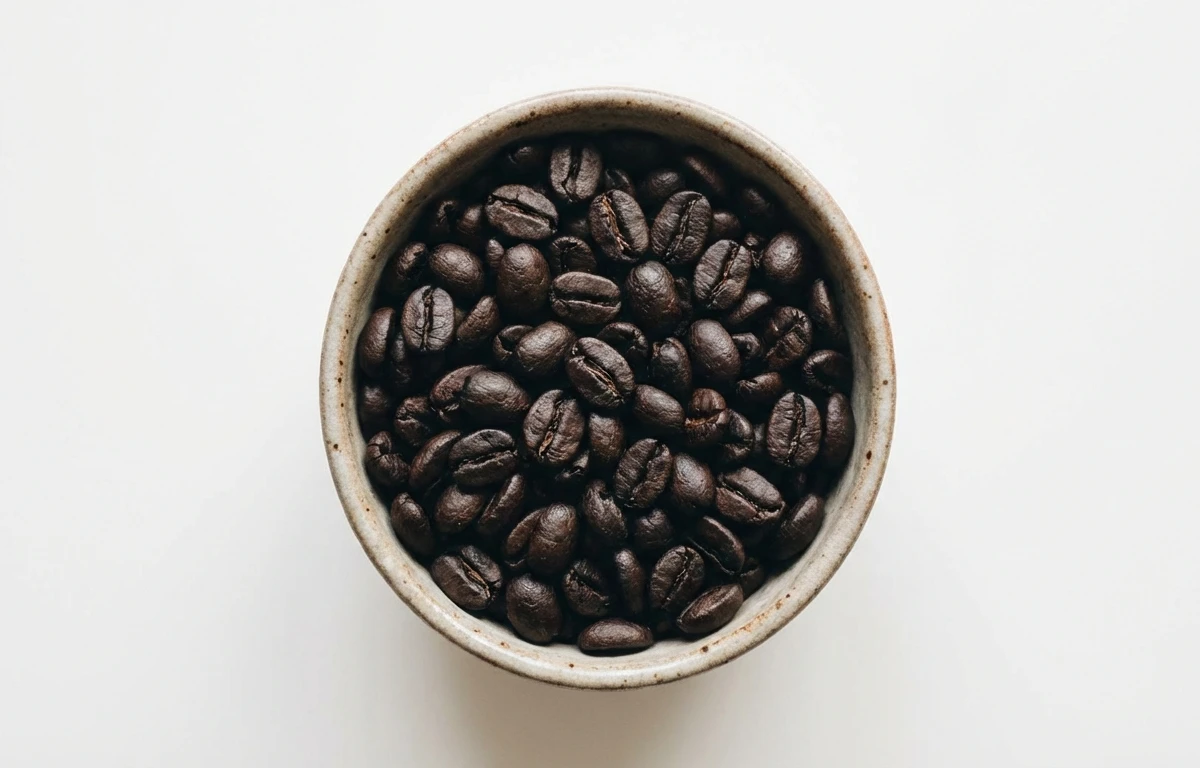
dark-roast coffee.
VegetarianVeganGluten-freeDairy-freeNut-freePeanut-freeSoy-freeEgg-freeShellfish-freeHoney-freeAlcohol-freeFermented
SERVING
CALORIES
1
PROTEIN
0.10g
CARBS
0g
FAT
0g
FIBER
0g
This ingredient is flagged as naturally gluten-free. Per 100 g, it provides 0.10 µg of vitamin K.
NUTRITION PROFILE · per 100 g
Everything in this ingredient.
MACRONUTRIENTS
Calories1.0kcal—
Protein0.10g0%
Carbohydrates0g0%
Fiber0g0%
Sugar0g0%
Total fat0g0%
Saturated fat0g0%
Trans fat0g—
Cholesterol0mg0%
Water99.4g—
MINERALS
Sodium2.0mg0%
Potassium49mg1%
Calcium2.0mg0%
Iron0.01mg0%
Magnesium3.0mg1%
Phosphorus3.0mg0%
Zinc0.02mg0%
Copper0mg0%
Manganese0.02mg1%
Selenium0.10µg0%
VITAMINS
Vitamin A0µg0%
Vitamin C0mg0%
Vitamin D0µg0%
Vitamin E0mg0%
Vitamin K0.10µg0%
Thiamin (B1)0.01mg1%
Riboflavin (B2)0.08mg6%
Niacin (B3)0.19mg1%
Pantothenic acid (B5)0.25mg5%
Vitamin B60mg0%
Folate (B9)2.0µg1%
Vitamin B120µg0%
%DV based on a 2,000 cal diet. Source: USDA FoodData Central. A dash in the %DV column means there’s no established Daily Value for that nutrient.
MEASUREMENT CONVERSIONS
How much is what.
1 cup240g
1 tablespoon15g
1 teaspoon5g
1 ml1g
1 liter1000g
HEALTH BENEFITS
Why eat it.
- ✓May be easier on the stomach for some individuals due to lower acidity and compounds that can reduce stomach acid production.
- ✓The caffeine content can enhance mental alertness, concentration, and physical performance.
COOKING TIPS
In the kitchen.
- 1Use slightly cooler water (around 90-93°C or 195-200°F) to brew, as dark roasts are more soluble and can easily become bitter with overly hot water.
- 2A coarser grind is often recommended for dark roasts to prevent over-extraction and a harsh, bitter taste, especially in methods like French press.
- 3The bold, smoky, and less acidic flavor profile pairs well with milk, cream, or plant-based alternatives, making it ideal for lattes and cappuccinos.
- 4Excellent for brewing methods that emphasize body and richness, such as espresso, Moka pot, or French press.
STORAGE
Keep it fresh.
- Store whole beans in an opaque, airtight container at room temperature, away from heat, light, and moisture. Avoid the refrigerator or freezer.
- For optimal flavor, use whole beans within 2-4 weeks of the roast date. If pre-ground, use within one week as it stales much faster.
FAQ
Frequently asked questions.
How many calories and nutrients are in dark-roast coffee?
A standard cup of plain dark-roast coffee (without added milk or sugar) contains approximately 1 calorie, 0.1g protein, 0g carbs, and 0g fat per 100g. It's virtually calorie-free and provides minimal macronutrients, making it a suitable beverage for most diets.
Does dark-roast coffee have less caffeine than light roast?
While it's a common misconception, dark-roast coffee generally contains slightly less caffeine by volume than light roast. The longer roasting process burns off some caffeine. However, if measured by weight, the difference is negligible, and a darker roast bean is less dense, so a scoop might contain more light roast beans by weight.
Is dark-roast coffee vegan or gluten-free?
Yes, plain dark-roast coffee, made solely from roasted coffee beans and water, is naturally vegan and gluten-free. It does not contain any animal products or gluten-containing grains. Be mindful of any additives in flavored coffees or creamers.
What does dark-roast coffee taste like?
Dark-roast coffee typically has a bold, robust, and often smoky flavor profile. It can feature notes of chocolate, caramel, nuts, or even a slightly bitter finish. The original bean's unique characteristics are often overshadowed by the roast, resulting in a more uniform, intense taste.
How should I brew dark-roast coffee for the best flavor?
Dark-roast coffee can be brewed using various methods, including drip, French press, espresso, or pour-over. For a less bitter cup, consider using slightly cooler water (around 195-205°F or 90-96°C) and a slightly coarser grind than you might for a lighter roast, especially with immersion methods like French press.
How should I store dark-roast coffee beans or grounds?
Store dark-roast coffee beans or grounds in an airtight, opaque container in a cool, dark place, away from direct sunlight, heat, and moisture. Avoid refrigerating or freezing unless it's an unopened bag for long-term storage, as this can introduce moisture and odors.
How long does dark-roast coffee last before it goes stale?
Whole dark-roast coffee beans are best consumed within 2-4 weeks after roasting for optimal freshness. Once ground, coffee rapidly loses its flavor and aroma, so it's best to use it within a few days. Storing it properly helps preserve its quality for longer.
Is dark-roast coffee less acidic than light roast?
Yes, dark-roast coffee is generally less acidic than light roast. The longer roasting process breaks down some of the organic acids in the beans. This lower acidity, combined with compounds like N-methylpyridinium, can make dark roasts easier on the stomach for some individuals.



















