Grain4 recipes
day-old bread.
VegetarianVeganGluten-freeDairy-freeNut-freePeanut-freeSoy-freeEgg-freeShellfish-freeHoney-freeAlcohol-freeFermented
ALSO KNOWN AS
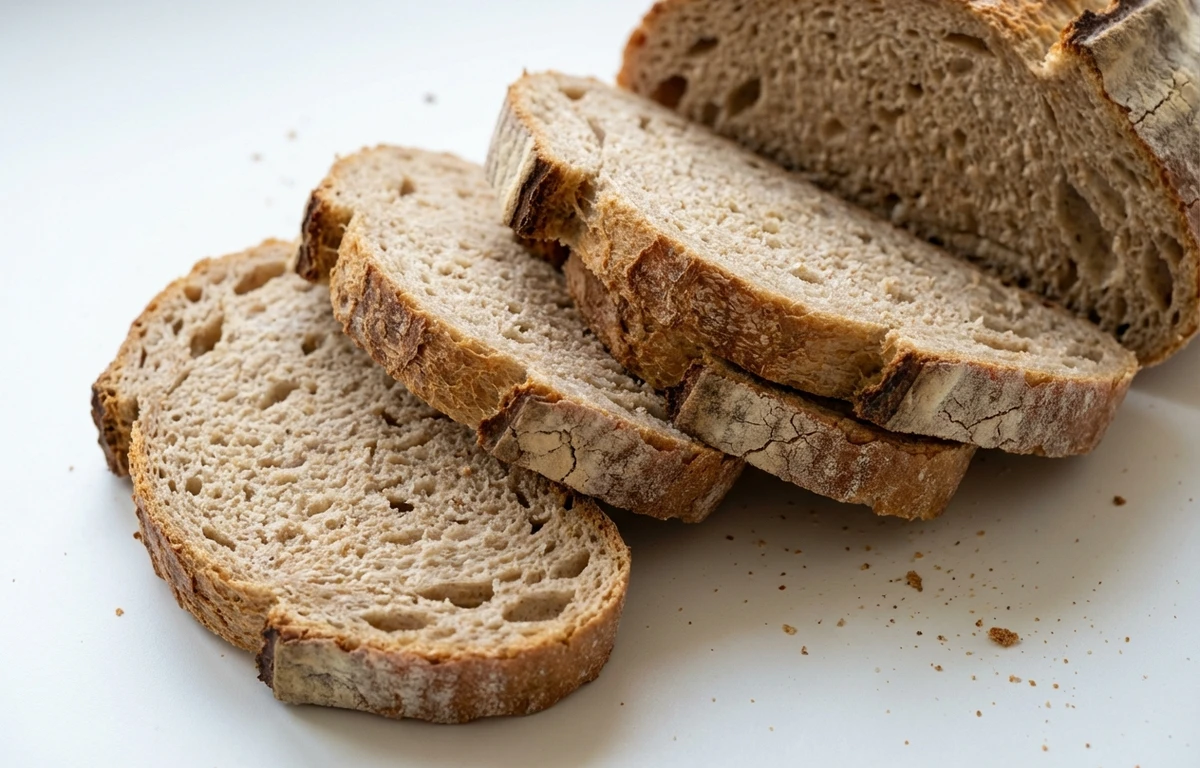
stale breadleftover breadday-old breadold bread
SERVING
CALORIES
265
PROTEIN
9.0g
CARBS
49g
FAT
3.2g
FIBER
2.7g
NUTRITION PROFILE · per 100 g
Everything in this ingredient.
MACRONUTRIENTS
Calories265kcal—
Protein9.0g18%
Carbohydrates49g18%
Fiber2.7g10%
Sugar5.0g10%
Total fat3.2g4%
Saturated fat0.70g3%
Trans fat0g—
Cholesterol0mg0%
Water32g—
MINERALS
Sodium490mg21%
Potassium115mg2%
Calcium160mg12%
Iron3.6mg20%
Magnesium25mg6%
Phosphorus100mg8%
Zinc0.70mg6%
Copper0.10mg11%
Manganese0.50mg22%
Selenium28µg51%
VITAMINS
Vitamin A1.0µg0%
Vitamin C0mg0%
Vitamin D0µg0%
Vitamin E0.20mg1%
Vitamin K0.20µg0%
Thiamin (B1)0.40mg33%
Riboflavin (B2)0.30mg23%
Niacin (B3)3.8mg24%
Pantothenic acid (B5)0.40mg8%
Vitamin B60.10mg6%
Folate (B9)110µg28%
Vitamin B120µg0%
%DV based on a 2,000 cal diet. Source: USDA FoodData Central. A dash in the %DV column means there’s no established Daily Value for that nutrient.
MEASUREMENT CONVERSIONS
How much is what.
1 cup45g
1 oz28.4g
1 lb453.6g
HEALTH BENEFITS
Why eat it.
- ✓Provides quick energy through complex carbohydrates
- ✓Contains essential B-vitamins for metabolism
- ✓Reduces food waste in the kitchen
- ✓Lower moisture content makes it ideal for specific textures in cooking
- ✓Source of iron and calcium if enriched
COOKING TIPS
In the kitchen.
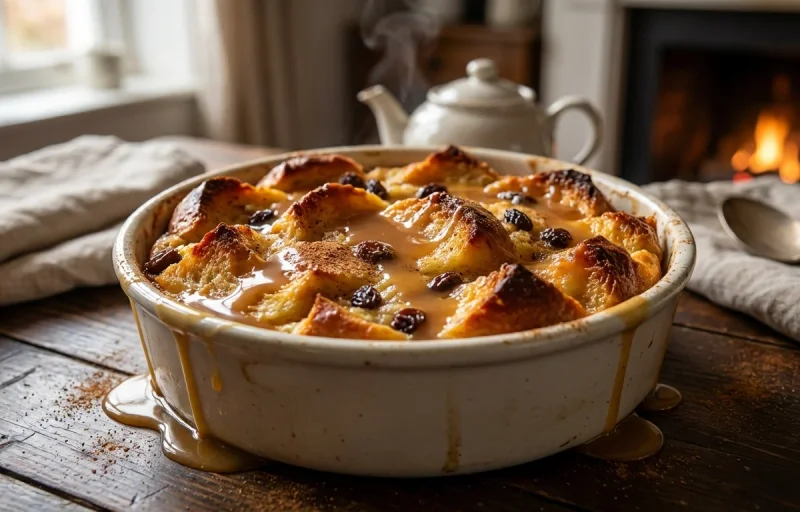
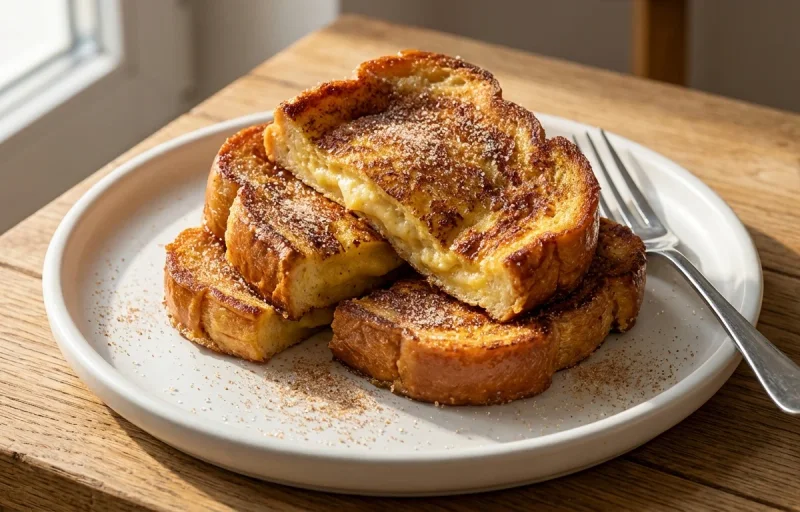
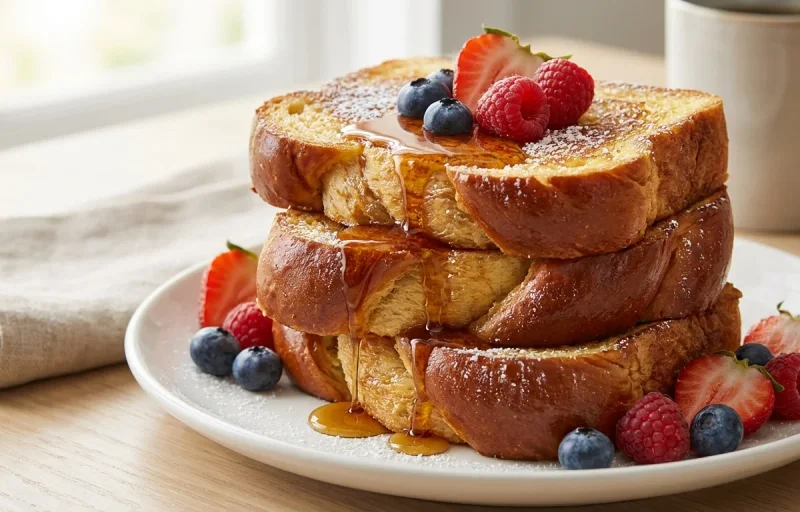
- 1Ideal for French toast or bread pudding as it absorbs liquid without falling apart
- 2Pulse in a blender to create homemade breadcrumbs for coating or binding
- 3Toss with olive oil and herbs then bake to make crunchy croutons
STORAGE
Keep it fresh.
- Store in a paper bag at room temperature to maintain dryness without trapping moisture
- Avoid refrigeration as it can cause the starch to recrystallize and become tough
- Freeze in airtight bags if not using within 2 days to prevent mold growth
FAQ
Frequently asked questions.
How long does day-old bread last?
It typically lasts 2-4 days at room temperature before it becomes too hard or develops mold.
Can I freeze day-old bread?
Yes, it freezes very well. Slice or cube it first so you can use only what you need later.
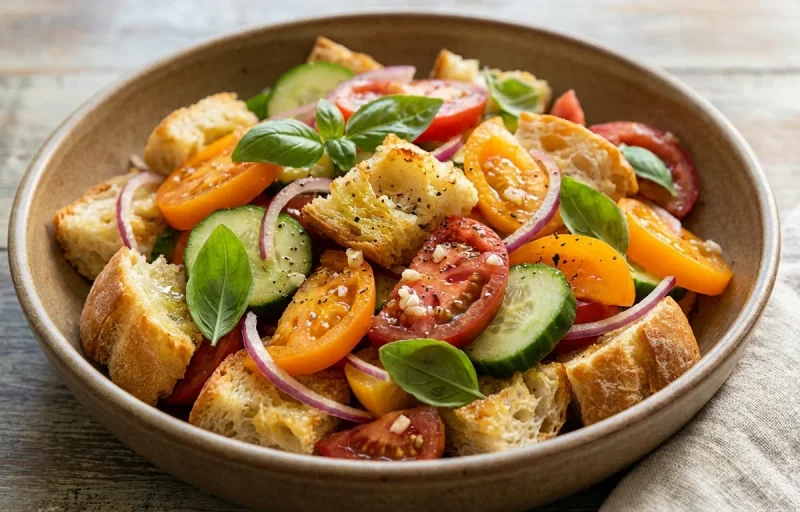
What is the best way to use very hard stale bread?
Hard bread is perfect for Panzanella (Italian bread salad), Ribollita soup, or making breadcrumbs.
How can I tell if day-old bread has gone bad?
Look for fuzzy spots of green, white, or black mold, or a sour/off smell. If mold is present, discard the whole loaf.
Why is day-old bread better for French toast?
The lower moisture content allows the bread to soak up the egg mixture like a sponge without becoming soggy.
Can I soften day-old bread to eat it fresh?
Yes, wrap it in a damp paper towel and microwave for 10-15 seconds, or heat in a 350°F oven for 5 minutes.
Is day-old bread nutritionally different from fresh bread?
Nutritionally it is almost identical, though it has slightly less water content due to evaporation.
What can I substitute for day-old bread in a recipe?
You can use fresh bread that has been lightly toasted in a low oven to dry it out.
RECIPES
Cook with day-old bread.
4 recipes · sorted by what’s quick