dharosh
Also known as:
Loading...
Also known as:
Per 100g
Nutrition data source: USDA FoodData Central
Yes, dharosh is very healthy. It's low in calories and fat, while being rich in dietary fiber, vitamins C and K, and beneficial polyphenols. These nutrients support digestion, boost immunity, aid bone health, and may reduce inflammation.
Dharosh is an excellent source of dietary fiber, which aids digestion and promotes satiety. It's also rich in Vitamin C, a powerful antioxidant for immune support, and Vitamin K, crucial for blood clotting and bone health. Additionally, it contains polyphenols that contribute to heart health.
Per 100g serving, dharosh contains approximately 33 calories and 7.45g of carbohydrates. It also provides about 1.93g of protein and a minimal 0.19g of fat, making it a low-calorie, nutrient-dense vegetable.
Yes, dharosh can be beneficial for weight management. Its high fiber content helps you feel full longer, reducing overall calorie intake. Being low in calories and fat, it's a great addition to a balanced diet aimed at maintaining or losing weight.
Dharosh is generally suitable for people with diabetes. Its high fiber content can help regulate blood sugar levels by slowing down sugar absorption. It also has a low glycemic index, making it a good choice for managing blood glucose.
While dharosh is a vegetable, its carbohydrate content of 7.45g per 100g might be a consideration for strict keto diets. However, a small serving can fit into a keto plan, especially considering its fiber content (which reduces net carbs).
To minimize sliminess, cook dharosh quickly over high heat, often by stir-frying or roasting. Adding acidic ingredients like lemon juice, vinegar, or tomatoes during cooking can also help reduce the mucilaginous texture. Avoid overcooking or boiling.
dharosh is a versatile ingredient found in cuisines around the world. With 33 calories per 100g and 1.93 grams of protein, it's a nutritious addition to many dishes.
Explore more ingredients in the vegetable category with complete nutrition information.
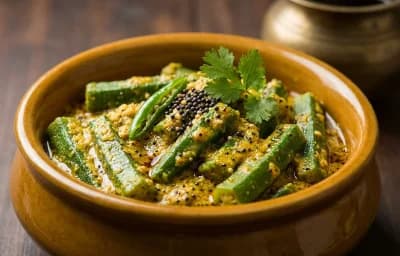
View all vegetable →Dharosh has a mild, slightly grassy flavor with a unique texture. It's commonly used in curries, stews, and stir-fries, particularly in South Asian, African, and Southern American cuisines. It can also be fried, roasted, or added to gumbos.
Store fresh dharosh unwashed in a paper bag or loosely wrapped in a plastic bag in the refrigerator's crisper drawer. It's best to use it within 3-5 days, as it can quickly become slimy or develop dark spots if stored for too long.
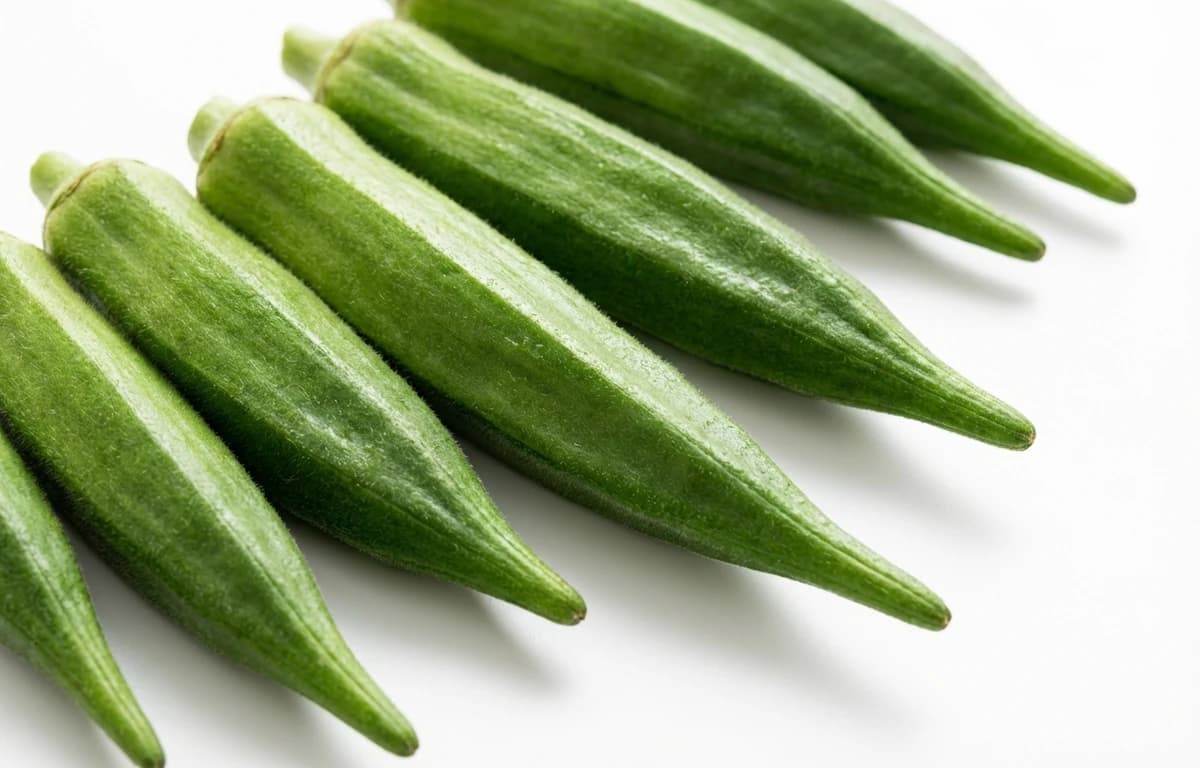
Look for dharosh pods that are bright green, firm, and free from blemishes or soft spots. They should snap easily when bent, indicating freshness. Avoid pods that are dull, shriveled, or excessively large, as these tend to be tough and fibrous.