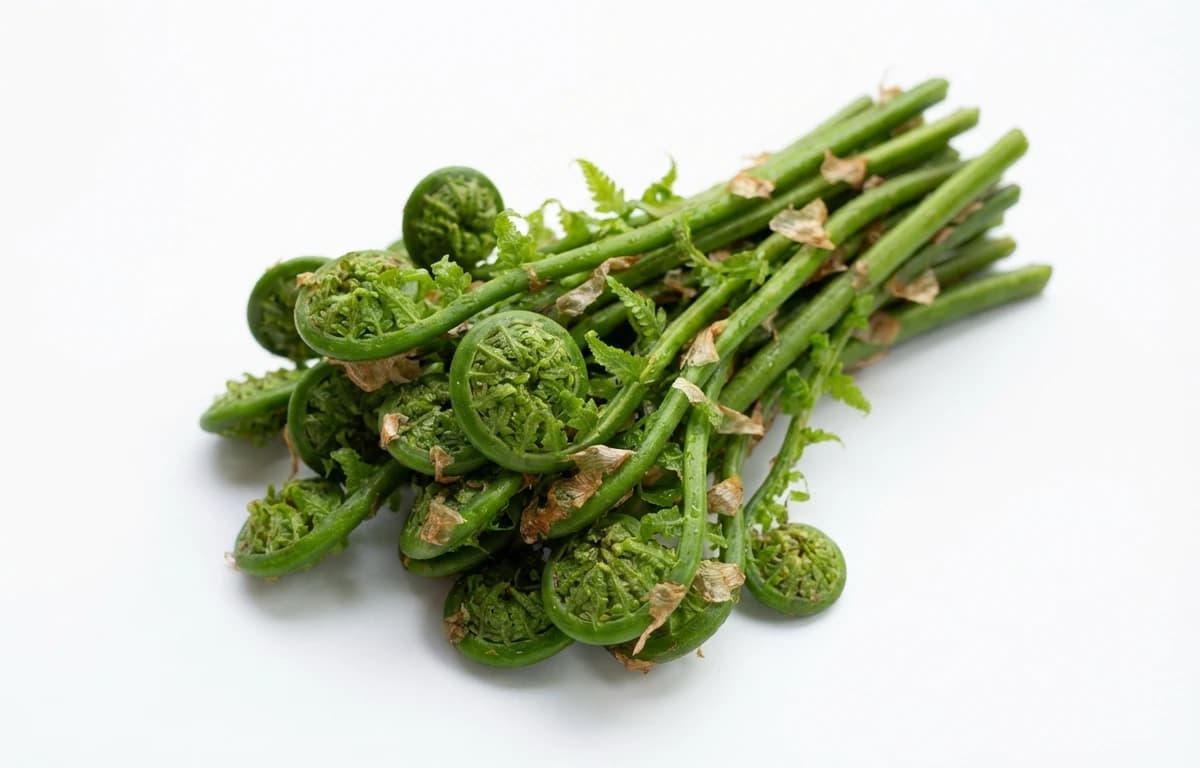
dhekia xak
Also known as:
Loading...
Also known as:
Per 100g
Nutrition data source: USDA FoodData Central
Yes, dhekia xak is very healthy. It's rich in antioxidants like Vitamin C and beta-carotene, which protect cells from damage. It also provides dietary fiber for digestion and essential minerals like potassium and iron, making it a highly nutritious vegetable.
Dhekia xak is packed with antioxidants, including Vitamin C and beta-carotene, which combat oxidative stress. It's also a good source of dietary fiber, aiding digestion and promoting gut health, and provides essential minerals like potassium and iron. Furthermore, it contains beneficial Omega-3 and Omega-6 fatty acids for brain health and reducing inflammation.
Per 100g, dhekia xak is low in calories, providing approximately 34 calories. It contains about 3.5g of protein, 5.5g of carbohydrates, and only 0.4g of fat, making it a nutrient-dense, low-fat vegetable.
Yes, dhekia xak is an excellent choice for weight loss. It is very low in calories and fat, yet high in dietary fiber, which helps promote satiety and healthy digestion. Its nutrient density also ensures you get essential vitamins and minerals without excess calories.
Yes, as a natural vegetable, dhekia xak is inherently vegan and gluten-free. It is a plant-based food suitable for individuals following these dietary restrictions, making it a versatile ingredient for various diets.
Yes, dhekia xak is generally suitable for people with diabetes. It has a low carbohydrate content and is rich in fiber, which can help manage blood sugar levels. Its high nutrient profile also makes it a healthy addition to a balanced diabetic diet.
dhekia xak is a versatile ingredient found in cuisines around the world. With 34 calories per 100g and 3.5 grams of protein, it's a nutritious addition to many dishes.
Explore more ingredients in the vegetable category with complete nutrition information.
View all vegetable →Dhekia xak is typically cooked and rarely eaten raw. It's often stir-fried with garlic and chilies, or added to curries and stews in traditional Assamese cuisine. Before cooking, wash the fronds thoroughly and trim any tough stems.
Dhekia xak has a slightly bitter, earthy, and somewhat mucilaginous (slimy) taste, similar to other ferns or certain leafy greens. Its unique flavor is often balanced with spices and other ingredients in traditional dishes, giving it a distinct profile.
To store fresh dhekia xak, wrap the fronds loosely in a damp cloth or paper towel and place them in a perforated plastic bag in the refrigerator's crisper drawer. It's best consumed within 2-3 days for optimal freshness and nutrient retention.
While some ferns can be eaten raw, dhekia xak is traditionally cooked before consumption. Cooking helps to soften its texture and can reduce any potential bitterness or compounds that might cause digestive discomfort when raw, making it more palatable.