Spice
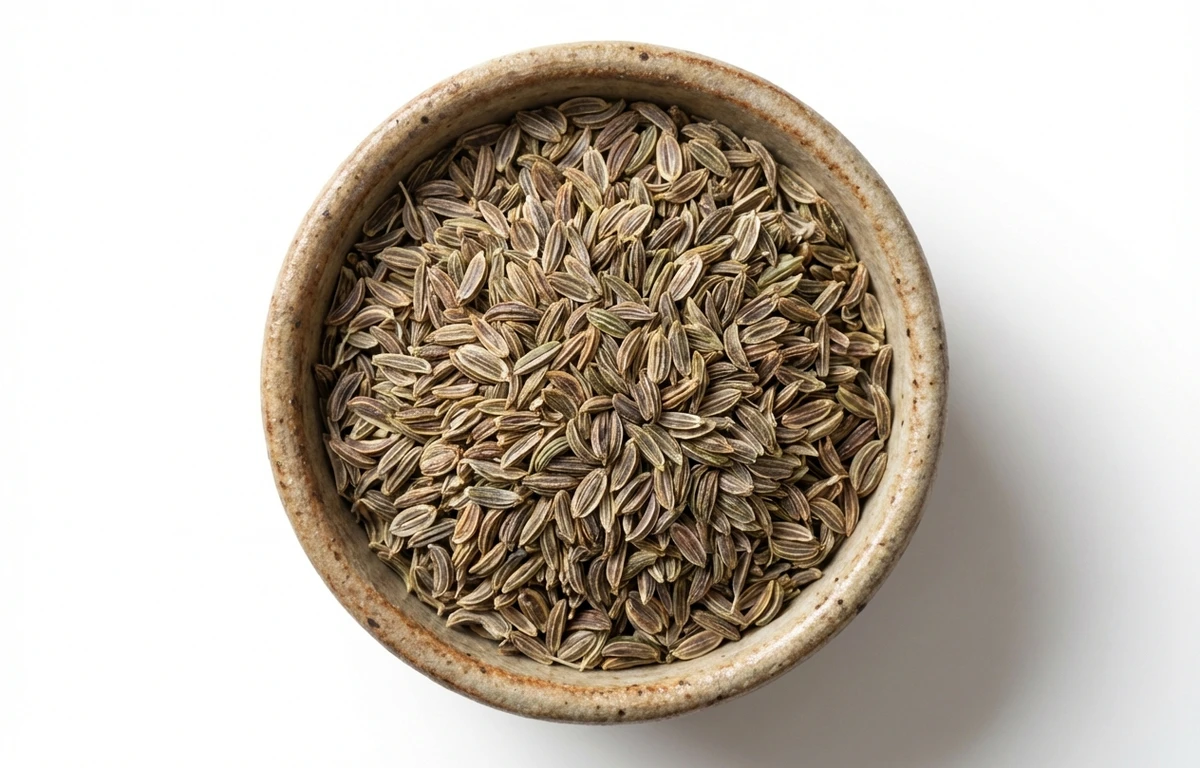
dill seed.
VegetarianVeganGluten-freeDairy-freeNut-freePeanut-freeSoy-freeEgg-freeShellfish-freeHoney-freeAlcohol-free
ALSO KNOWN AS
anethum graveolenssowasuvasathakuppaidillfrösemillas de eneldo
SERVING
CALORIES
416
PROTEIN
16g
CARBS
55.2g
FAT
14.5g
FIBER
21.1g
NUTRITION PROFILE · per 100 g
Everything in this ingredient.
MACRONUTRIENTS
Calories416kcal—
Protein16g32%
Carbohydrates55.2g20%
Fiber21.1g75%
Sugar0g0%
Total fat14.5g19%
Saturated fat0.73g4%
Trans fat0g—
Cholesterol0mg0%
Water7.7g—
MINERALS
Sodium20mg1%
Potassium1186mg25%
Calcium1516mg117%
Iron16.3mg91%
Magnesium256mg61%
Phosphorus277mg22%
Zinc5.2mg47%
Copper0.78mg87%
Manganese1.8mg80%
Selenium12.5µg23%
VITAMINS
Vitamin A3.0µg0%
Vitamin C21mg23%
Vitamin D0µg0%
Vitamin E0mg0%
Vitamin K0µg0%
Thiamin (B1)0.42mg35%
Riboflavin (B2)0.28mg22%
Niacin (B3)2.8mg18%
Pantothenic acid (B5)0.40mg8%
Vitamin B60.25mg15%
Folate (B9)10µg3%
Vitamin B120µg0%
%DV based on a 2,000 cal diet. Source: USDA FoodData Central. A dash in the %DV column means there’s no established Daily Value for that nutrient.
MEASUREMENT CONVERSIONS
How much is what.
1 cup105g
1 tablespoon6.5g
1 teaspoon2.1g
1 oz28.4g
1 lb453.6g
1 ml0.5g
1 liter450g
HEALTH BENEFITS
Why eat it.
- ✓Aids digestion and reduces flatulence
- ✓High calcium content supports bone health
- ✓Contains antimicrobial properties
- ✓May help alleviate menstrual cramps
- ✓Rich in antioxidants like flavonoids
COOKING TIPS
In the kitchen.
- 1Toast seeds lightly in a dry pan to release their full aroma
- 2Crush or grind seeds just before use for maximum flavor intensity
- 3Add to pickling brines or bread dough for a pungent, earthy flavor
STORAGE
Keep it fresh.
- Store in an airtight container in a cool, dark, and dry place
- Keep away from direct sunlight to preserve essential oils
- Whole seeds stay fresh for up to 2 years if stored properly
FAQ
Frequently asked questions.
How long do dill seeds last?
Whole dill seeds can last for 1 to 2 years when stored in a cool, dark place in an airtight container. Ground dill seed loses its potency much faster, usually within 6 months.
What is the difference between dill seed and dill weed?
Dill weed refers to the fresh or dried leaves of the plant, which are delicate and grassy. Dill seed is the dried fruit of the plant, which is more pungent, bitter, and earthy, similar to caraway.
What can I use as a substitute for dill seed?
Caraway seeds are the best substitute due to their similar flavor profile. Celery seeds or anise seeds can also work, though they have slightly different flavor notes.
How do I pick high-quality dill seeds?
Look for seeds that are light brown with tan-colored ridges. They should have a strong, clean, pungent aroma. Avoid seeds that look dusty or have no scent.
Can dill seeds be frozen?
While you can freeze them, it is generally unnecessary for dried spices and may introduce moisture which degrades the quality. Dry storage is preferred.
Are dill seeds good for digestion?
Yes, dill seeds have been used traditionally as a carminative to help soothe the digestive tract and reduce gas and bloating.
How should I prepare dill seeds for cooking?
For the best flavor, toast them in a dry skillet over medium heat for 1-2 minutes until fragrant, then use them whole or crush them with a mortar and pestle.
What dishes commonly use dill seed?
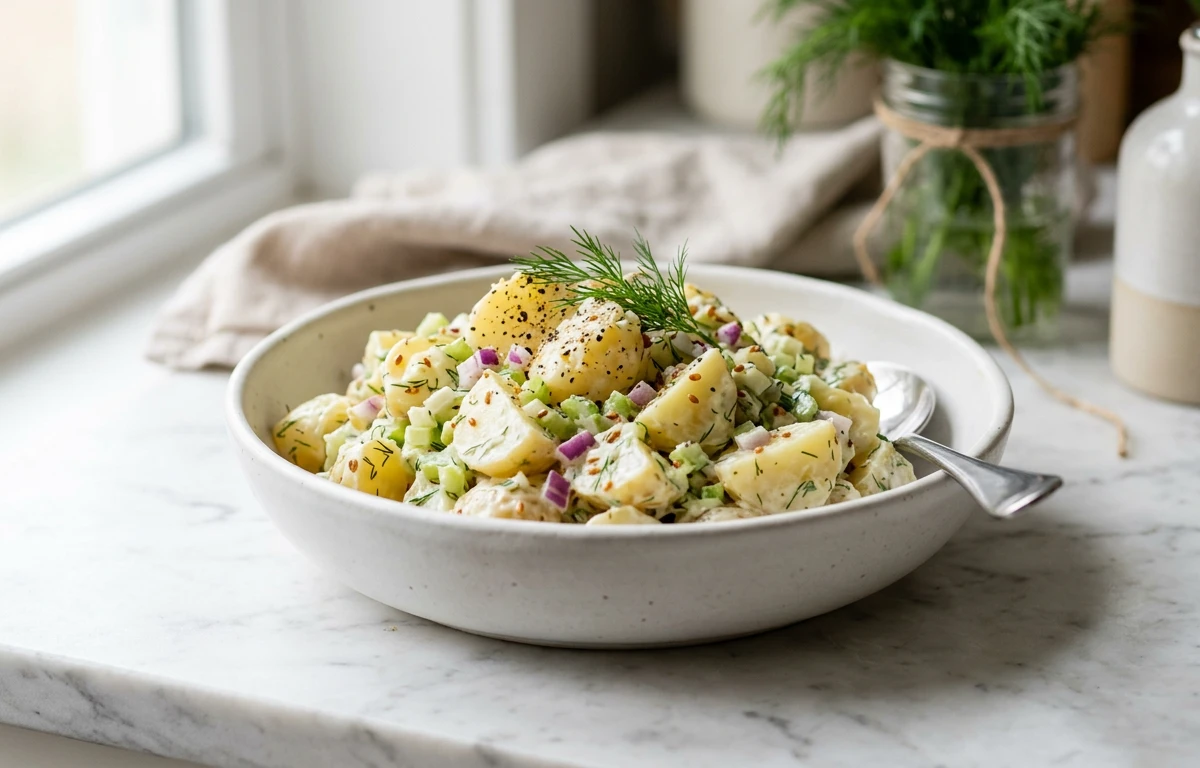
They are most famous for pickling cucumbers, but are also excellent in rye bread, potato salads, soups, and cabbage dishes.
Are dill seeds high in minerals?
Yes, they are exceptionally high in calcium and iron, providing significant amounts of these minerals even in small culinary doses.
RECIPES
Cook with dill seed.
0 recipes · sorted by what’s quick