
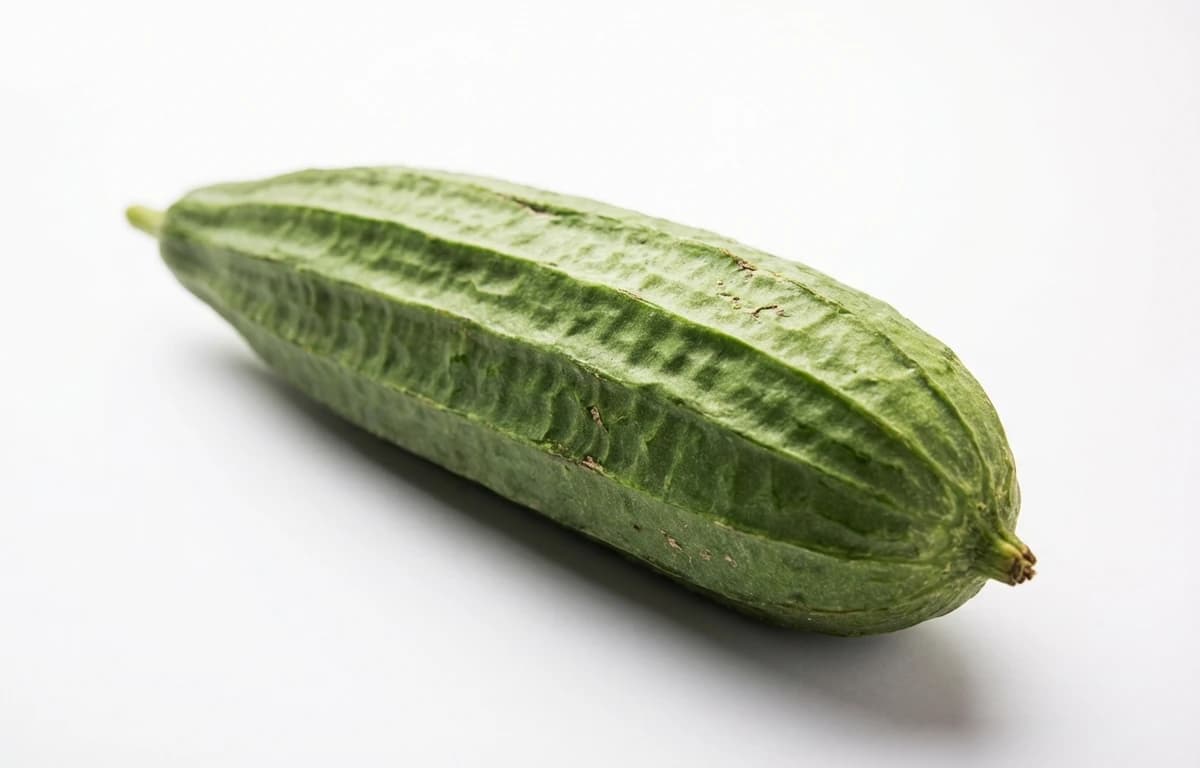
dodka
Also known as:
Loading...
Also known as:
Per 100g
Nutrition data source: USDA FoodData Central
Yes, dodka (ridge gourd) is very healthy. It's low in calories and rich in dietary fiber, promoting digestion and weight management. It also provides Vitamin C and antioxidants, supporting immune health and protecting cells from damage.
Per 100g, dodka is very low in calories, providing only about 20 calories. It contains approximately 1.2g of protein, 4.4g of carbohydrates, and a negligible 0.2g of fat. It's also high in water and dietary fiber.
Absolutely. Dodka is an excellent vegetable for weight loss due to its very low-calorie count and high fiber content. The fiber helps you feel full, reducing overall calorie intake, while its high water content aids hydration without adding significant calories.
Yes, dodka is generally suitable for diabetics. Its low carbohydrate content (4.4g per 100g) and high fiber help manage blood sugar levels by preventing rapid spikes. It's a healthy, low-glycemic option to include in a diabetic diet.
Dodka can be included in a keto diet in moderation. While it has 4.4g of carbs per 100g, a significant portion is fiber, making its net carb count lower. It's a good low-carb vegetable option, but portion control is key to staying within daily carb limits.
Dodka is typically washed, and the prominent ridges are often lightly scraped or peeled, though some prefer to leave them for texture. It can then be chopped and cooked in various dishes like curries, stir-fries, or stews. It cooks relatively quickly and absorbs flavors well.
Dodka has a mild, slightly sweet, and subtly bitter taste, similar to other gourds like zucchini or bottle gourd. Its texture is soft and spongy when cooked, making it a versatile ingredient that readily takes on the flavors of spices and other ingredients.
dodka is a versatile ingredient found in cuisines around the world. With 20 calories per 100g and 1.2 grams of protein, it's a nutritious addition to many dishes.
Explore more ingredients in the vegetable category with complete nutrition information.
View all vegetable →It's common practice to lightly scrape or peel the tough ridges of dodka, especially if they are prominent or fibrous, to improve texture. However, the skin itself is edible and contains nutrients, so a full peel isn't always necessary, especially for younger, tender dodka.
Store fresh dodka in a cool, dry place or in the refrigerator's vegetable crisper drawer. Place it in a perforated plastic bag to maintain humidity and prevent it from drying out. Properly stored, it can last for about 5-7 days.
While technically edible raw, dodka is not commonly consumed uncooked due to its slightly fibrous texture and mild bitterness. It is almost always cooked to soften its texture and enhance its flavor, making it more palatable and digestible.