dondakaya
Also known as:
Loading...
Also known as:
Per 100g
Nutrition data source: USDA FoodData Central
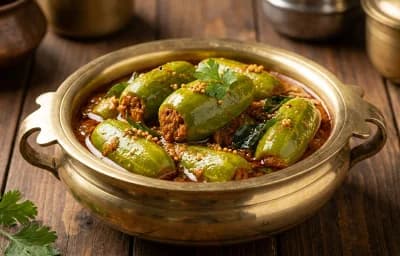
Tender ivy gourd slit and filled with a nutty, spicy blend of peanuts, coconut, and Andhra spices. This classic stuffed curry is a delightful main dish that brings a burst of traditional flavor to any meal.
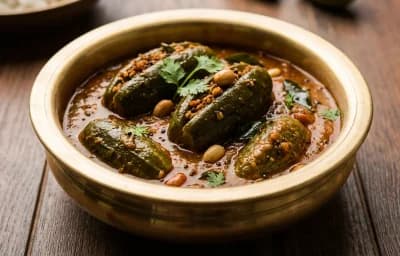
Tender ivy gourds are slit and filled with a nutty, spicy masala made from peanuts, coconut, and spices, then slow-cooked to perfection. This classic Andhra dish is a flavor explosion, perfect with hot rice or roti.
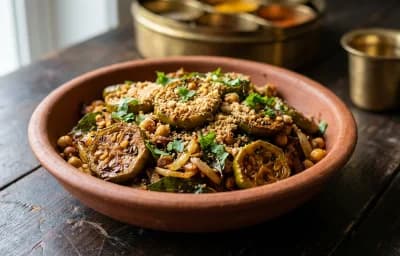
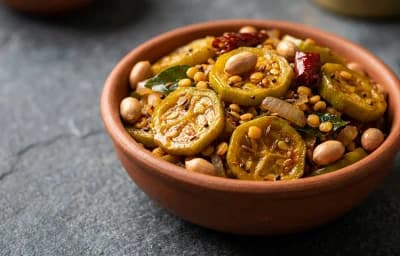
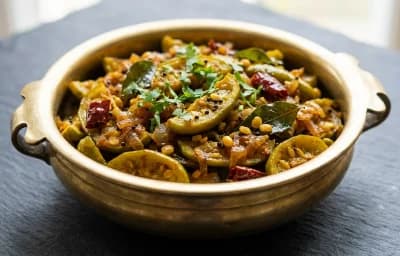
A simple yet delicious Andhra-style stir-fry featuring ivy gourd cooked until tender and crisp. A nutty, spicy peanut powder added at the end makes this dish an irresistible side for rice and sambar.
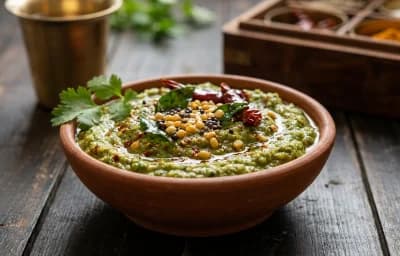
A classic Andhra-style spicy and tangy chutney made from sautéed ivy gourd. This coarse-textured pachadi is the perfect accompaniment to hot rice and ghee, bursting with traditional South Indian flavors.
Yes, dondakaya (ivy gourd) is very healthy. It's low in calories and fat, while being rich in dietary fiber, vitamins, and minerals. It supports digestive health, provides essential nutrients like iron and B vitamins, and is known for its potential to help regulate blood sugar.
Dondakaya is an excellent source of dietary fiber, aiding digestion and promoting satiety. It contains beta-carotene, which converts to Vitamin A for good vision and immune function. Additionally, it provides iron and B vitamins, crucial for energy metabolism and preventing anemia.
Per 100 grams, dondakaya is very low in calories, containing approximately 18 calories. It has about 3.1 grams of carbohydrates, 1.2 grams of protein, and a negligible 0.1 grams of fat, making it a nutrient-dense, low-energy vegetable.
Yes, dondakaya is often recommended for diabetics. Traditionally, it has been used in Ayurvedic medicine for its potential to help regulate blood sugar levels. Its high fiber content also helps slow down sugar absorption, making it a beneficial addition to a diabetic diet.
Yes, dondakaya is considered keto-friendly due to its very low carbohydrate content. With only about 3.1 grams of carbs per 100 grams, it can be easily incorporated into a ketogenic diet while providing essential nutrients and fiber.
Yes, as a natural vegetable, dondakaya is inherently vegan and gluten-free. It is suitable for individuals following plant-based diets or those with gluten sensitivities and celiac disease.
Dondakaya is versatile and commonly used in South Indian cuisine. It can be stir-fried, added to curries, sambar, or made into a dry sauté (poriyal). It's often sliced or chopped and cooked until tender, sometimes with spices like mustard seeds, turmeric, and chili.
dondakaya is a versatile ingredient found in cuisines around the world. With 18 calories per 100g and 1.2 grams of protein, it's a nutritious addition to many dishes.
Explore more ingredients in the vegetable category with complete nutrition information.
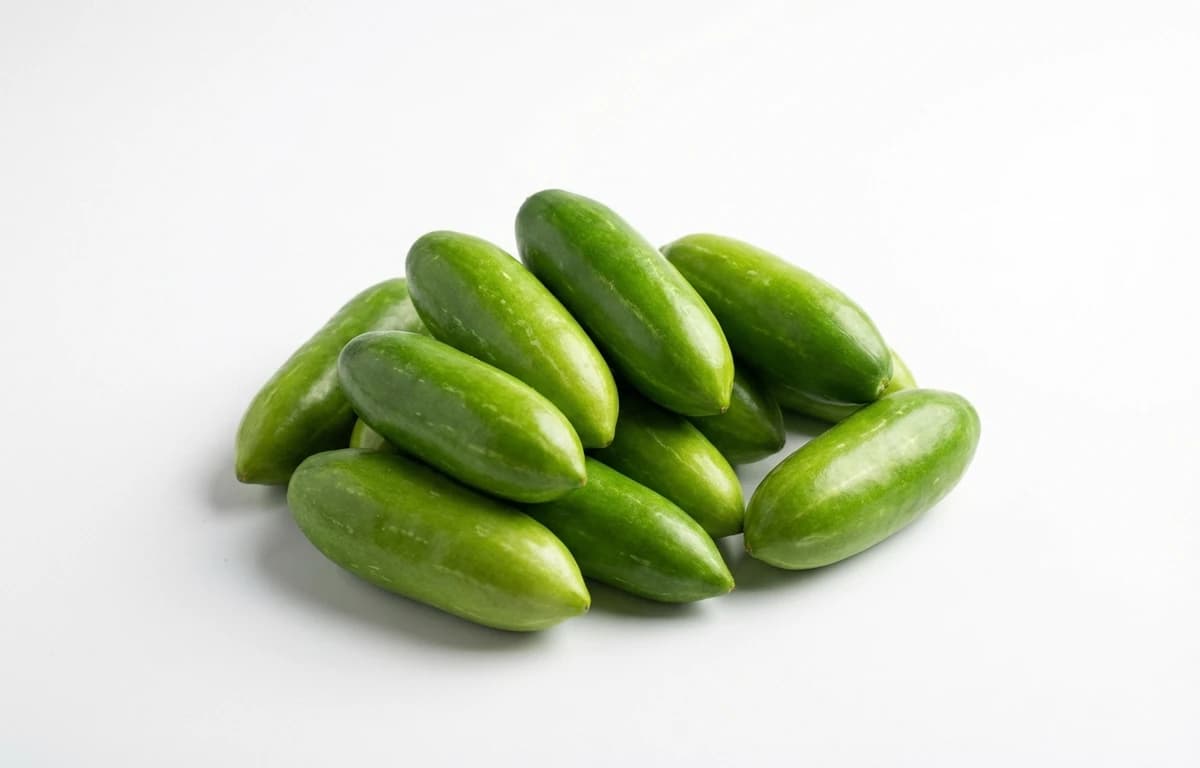
View all vegetable →Dondakaya has a mild, slightly bitter taste when raw, which mellows significantly upon cooking. It has a firm, somewhat crunchy texture similar to a cucumber or zucchini, making it a good absorber of flavors from spices and other ingredients.
To keep dondakaya fresh, store it in a perforated plastic bag or a breathable container in the refrigerator's crisper drawer. This method helps maintain its crispness and extends its shelf life for up to 5-7 days.
Look for dondakaya that is firm to the touch, bright green in color, and free from any soft spots, blemishes, or yellowing. Smaller, younger gourds tend to be more tender and less bitter than larger, more mature ones.