
Grain3 recipes
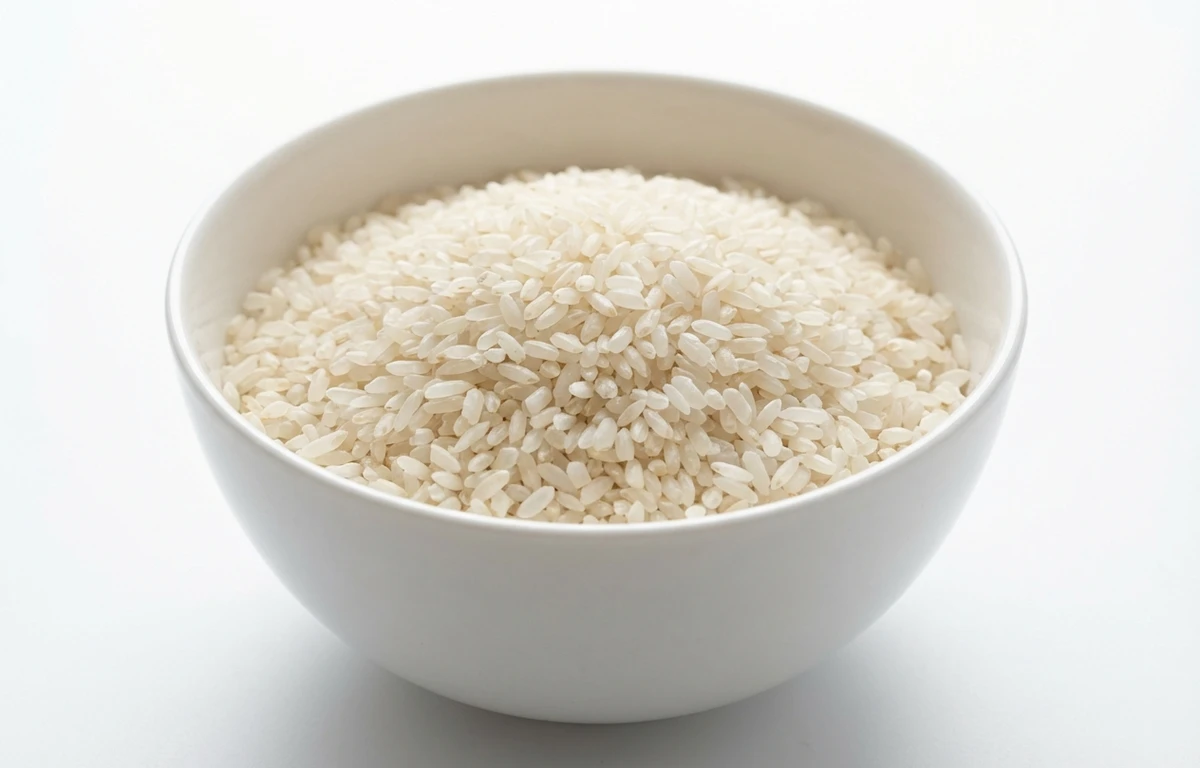
dosa rice.
VegetarianVeganGluten-freeDairy-freeNut-freePeanut-freeSoy-freeEgg-freeShellfish-freeHoney-freeAlcohol-free
SERVING
CALORIES
362
PROTEIN
7.2g
CARBS
79.9g
FAT
0.99g
FIBER
1.8g
NUTRITION PROFILE · per 100 g
Everything in this ingredient.
MACRONUTRIENTS
Calories362kcal—
Protein7.2g14%
Carbohydrates79.9g29%
Fiber1.8g6%
Sugar0.12g0%
Total fat0.99g1%
Saturated fat0.20g1%
Cholesterol0mg0%
Water10.9g—
MINERALS
Sodium5.0mg0%
Potassium113mg2%
Calcium10mg1%
Iron0.80mg4%
Magnesium33mg8%
Phosphorus115mg9%
Zinc1.1mg10%
Copper0.20mg22%
Manganese1.1mg47%
Selenium15.1µg27%
VITAMINS
Vitamin A0µg0%
Vitamin C0mg0%
Vitamin D0µg0%
Vitamin E0.11mg1%
Vitamin K0.10µg0%
Thiamin (B1)0.18mg15%
Riboflavin (B2)0.05mg4%
Niacin (B3)2.2mg14%
Pantothenic acid (B5)0.61mg12%
Vitamin B60.16mg9%
Folate (B9)12µg3%
Vitamin B120µg0%
%DV based on a 2,000 cal diet. Source: USDA FoodData Central. A dash in the %DV column means there’s no established Daily Value for that nutrient.
MEASUREMENT CONVERSIONS
How much is what.
1 cup185g
1 tablespoon13g
1 teaspoon4g
1 ml0.9g
1 liter866.7g
HEALTH BENEFITS
Why eat it.
- ✓Provides a quick source of energy due to its high carbohydrate content.
- ✓The parboiling process helps retain more B-vitamins, such as niacin and thiamine, compared to standard milled white rice.
- ✓Naturally gluten-free, making it a safe grain option for individuals with celiac disease or gluten intolerance.
- ✓Low in fat and easy to digest, making it gentle on the digestive system.
COOKING TIPS
In the kitchen.
- 1For optimal dosa or idli batter, soak the rice for at least 4-6 hours before grinding to ensure a smooth, fine paste.
- 2Combine with urad dal (skinned black gram) in a traditional ratio, typically 3:1 or 4:1 (rice to dal), for a well-fermented and textured batter.
- 3When grinding, use cold water sparingly to prevent the grinder from overheating, which can hinder the fermentation process.
- 4This type of rice is specifically for grinding into batter and is not typically used for cooking as plain table rice due to its starchy texture.
STORAGE
Keep it fresh.
- Store in a cool, dark, and dry place, away from direct sunlight and moisture.
- Keep in an airtight container to protect against pests, dust, and humidity, which can extend its shelf life for up to a year or more.
FAQ
Frequently asked questions.
Is dosa rice healthy?
Yes, dosa rice offers several health benefits. It's naturally gluten-free, making it suitable for those with celiac disease or gluten intolerance. The parboiling process helps retain more B-vitamins like niacin and thiamine, and it's low in fat and easy to digest.
What are the nutritional values of dosa rice?
Per 100g, dosa rice contains approximately 362 calories, 7.24g of protein, 79.9g of carbohydrates, and 0.99g of fat. It primarily provides a quick source of energy due to its high carbohydrate content.
Is dosa rice good for weight loss?
While dosa rice is low in fat, it is high in carbohydrates and calories, which are important considerations for weight management. Consuming it in moderation as part of a balanced diet, especially when paired with protein and fiber-rich accompaniments, is key.
Is dosa rice gluten-free?
Yes, dosa rice is naturally gluten-free. It is a safe and excellent grain option for individuals with celiac disease, gluten sensitivity, or those following a gluten-free diet.
Can diabetics eat dosa rice?
Dosa rice is high in carbohydrates, which can impact blood sugar levels. While it can be part of a diabetic diet, it should be consumed in controlled portions and ideally paired with high-fiber and protein-rich foods to help manage its glycemic impact.
How is dosa rice typically used in cooking?
Dosa rice is primarily used to make the fermented batter for South Indian dishes like dosas (thin crepes) and idlis (steamed savory cakes). It's often soaked and ground with urad dal (black gram lentils) to create the characteristic texture and flavor of these dishes.
What is the difference between dosa rice and regular white rice?
Dosa rice is typically a parboiled, short-grain rice variety specifically chosen for its ability to ferment well and yield a soft, fluffy texture in idlis and crispy dosas. Regular white rice, like basmati or jasmine, is usually unparboiled and has different starch properties less suited for fermentation.
How should I store dosa rice?
Dosa rice should be stored in an airtight container in a cool, dry, and dark place. This prevents moisture absorption, pest infestation, and helps maintain its quality and freshness over time.
How long does dosa rice last?
When stored properly in an airtight container in a cool, dry place, dosa rice can last for up to 1-2 years. Always check for any signs of spoilage like off-smell, discoloration, or pests before use.
Why is dosa rice parboiled?
Dosa rice is often parboiled, a process where paddy is partially boiled in its husk. This process helps to drive nutrients from the bran into the kernel, making it more nutritious, and also results in a firmer grain that is less sticky when cooked and ideal for grinding into a smooth batter.
RECIPES
Cook with dosa rice.
3 recipes · sorted by what’s quick



















