
Dairy
dried acid whey.
VegetarianVeganGluten-freeDairy-freeNut-freePeanut-freeSoy-freeEgg-freeShellfish-freeHoney-freeAlcohol-freeFermented
ALSO KNOWN AS
acid whey powderdried sour wheyyogurt whey powdercottage cheese whey powder
SERVING
CALORIES
339
PROTEIN
11.7g
CARBS
73.4g
FAT
0.50g
FIBER
0g
NUTRITION PROFILE · per 100 g
Everything in this ingredient.
MACRONUTRIENTS
Calories339kcal—
Protein11.7g23%
Carbohydrates73.4g27%
Fiber0g0%
Sugar73.4g147%
Total fat0.50g1%
Saturated fat0.30g2%
Trans fat0g—
Cholesterol2.0mg1%
Water3.5g—
MINERALS
Sodium968mg42%
Potassium2080mg44%
Calcium2054mg158%
Iron1.2mg7%
Magnesium176mg42%
Phosphorus1348mg108%
Zinc0.60mg5%
Copper0.03mg3%
Manganese0.02mg1%
Selenium27µg49%
VITAMINS
Vitamin A2.0µg0%
Vitamin C0mg0%
Vitamin D0µg0%
Vitamin E0.01mg0%
Vitamin K0.10µg0%
Thiamin (B1)0.40mg33%
Riboflavin (B2)2.2mg169%
Niacin (B3)1.2mg8%
Pantothenic acid (B5)5.6mg112%
Vitamin B60.60mg35%
Folate (B9)12µg3%
Vitamin B122.4µg100%
%DV based on a 2,000 cal diet. Source: USDA FoodData Central. A dash in the %DV column means there’s no established Daily Value for that nutrient.
MEASUREMENT CONVERSIONS
How much is what.
1 cup130g
1 tablespoon8.1g
1 teaspoon2.7g
1 oz28.4g
1 lb453.6g
1 ml0.6g
1 liter550g
HEALTH BENEFITS
Why eat it.
- ✓Extremely high in calcium for bone density and strength
- ✓Rich in potassium which helps regulate blood pressure
- ✓Provides essential B-vitamins for energy production
- ✓Contains phosphorus for healthy cell maintenance
- ✓Source of high-quality dairy protein for muscle support
COOKING TIPS
In the kitchen.
- 1Use in bread dough to improve crust browning and crumb texture
- 2Add to dry spice rubs or snack coatings for a tangy, savory flavor profile
- 3Substitute for buttermilk powder in pancake or waffle mixes for a similar acidity
STORAGE
Keep it fresh.
- Store in a cool, dry place in an airtight container to prevent clumping
- Keep away from direct sunlight and strong odors as it absorbs scents
- In humid environments, refrigeration can help maintain the powder's flowability
FAQ
Frequently asked questions.
What is the difference between acid whey and sweet whey?
Acid whey is a byproduct of acid-coagulated dairy like Greek yogurt or cottage cheese, making it tangier and higher in minerals. Sweet whey comes from rennet-coagulated cheese like Cheddar or Swiss.
How long does dried acid whey last?
When stored in a cool, dry place in an airtight container, it typically remains shelf-stable for 12 to 18 months.
Can I use dried acid whey if I am lactose intolerant?
No, dried acid whey is very high in lactose (roughly 70% by weight) and should be avoided by those with lactose intolerance.
What can I use as a substitute for dried acid whey?
Buttermilk powder is the closest substitute. Alternatively, you can use sweet whey powder mixed with a small amount of citric acid or lemon juice powder.
How do I pick a high-quality acid whey powder?
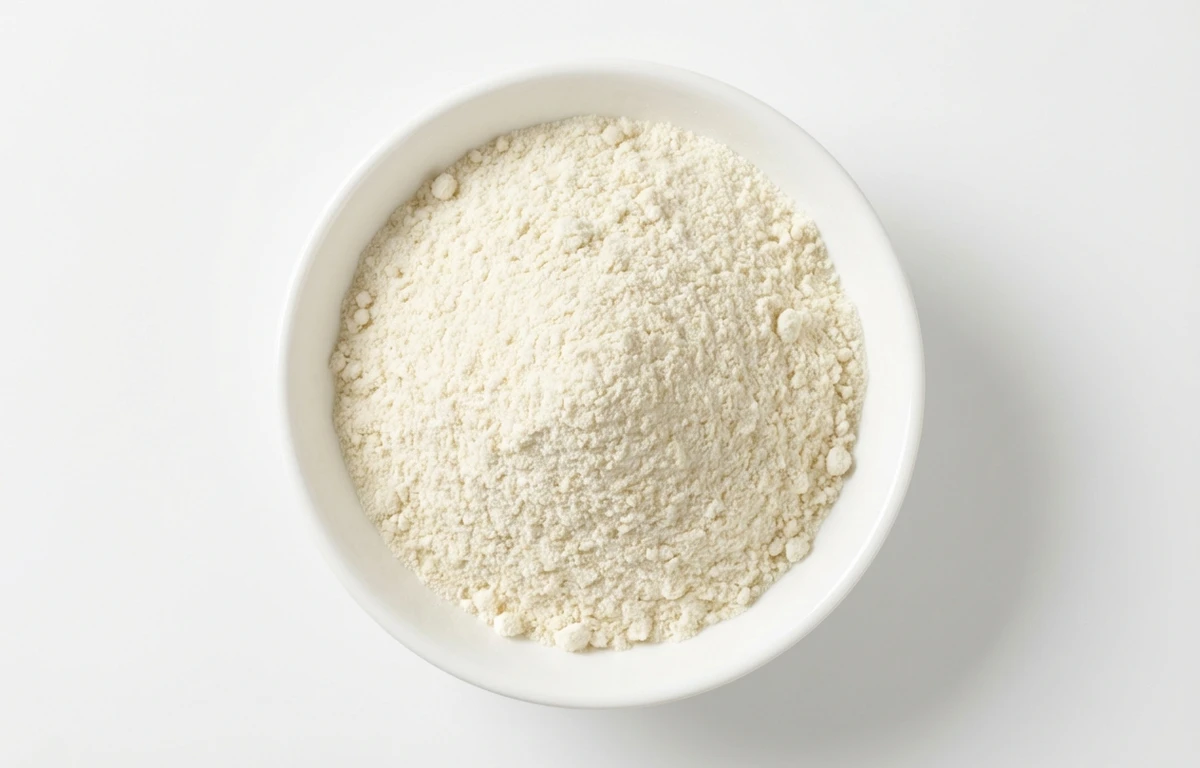
Look for a fine, free-flowing powder that is off-white to pale yellow. Avoid any product with hard clumps, dark spots, or a rancid smell.
Is dried acid whey good for protein shakes?
While it contains protein, it is much higher in lactose and minerals than whey protein isolate. It is better used for its mineral content and flavor than as a primary protein source.
How do I reconstitute dried acid whey?
Mix approximately 2 tablespoons of powder with 1 cup of water to approximate the consistency of liquid whey, though it is most commonly used in its dry form in baking.
What are the most common industrial uses for this ingredient?
It is widely used in the production of snack foods, crackers, processed cheese sauces, and commercial baked goods to provide tanginess and minerals.
Does dried acid whey contain any fat?
It contains a very negligible amount of fat, typically less than 1 gram per 100g serving, as most fat remains in the curd during processing.



















