
Sweetener
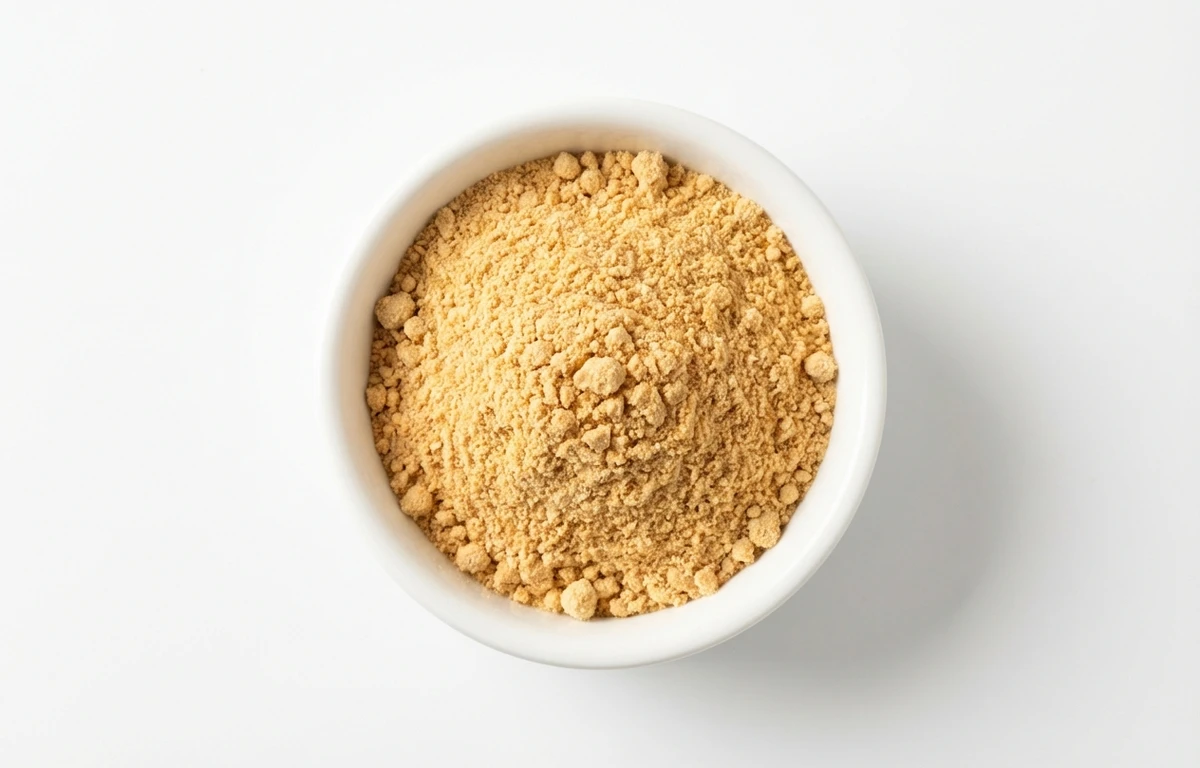
dried agave.
VegetarianVeganGluten-freeDairy-freeNut-freePeanut-freeSoy-freeEgg-freeShellfish-freeHoney-freeAlcohol-free
SERVING
CALORIES
341
PROTEIN
1.7g
CARBS
82g
FAT
0.69g
FIBER
15.6g
NUTRITION PROFILE · per 100 g
Everything in this ingredient.
MACRONUTRIENTS
Calories341kcal—
Protein1.7g3%
Carbohydrates82g30%
Fiber15.6g56%
Sugar50.7g101%
Total fat0.69g1%
Saturated fat0.16g1%
Cholesterol0mg0%
Water11.6g—
MINERALS
Sodium14mg1%
Potassium767mg16%
Calcium770mg59%
Iron3.6mg20%
Magnesium207mg49%
Phosphorus37mg3%
Zinc12.1mg110%
Copper0.19mg21%
Manganese0.34mg15%
Selenium0.60µg1%
VITAMINS
Vitamin A1.0µg0%
Vitamin C0.30mg0%
Vitamin D0µg0%
Vitamin E0.76mg5%
Vitamin K0.50µg0%
Thiamin (B1)0.02mg2%
Riboflavin (B2)0.64mg49%
Niacin (B3)0.87mg5%
Pantothenic acid (B5)0.15mg3%
Vitamin B60.22mg13%
Folate (B9)7.0µg2%
Vitamin B120µg0%
%DV based on a 2,000 cal diet. Source: USDA FoodData Central. A dash in the %DV column means there’s no established Daily Value for that nutrient.
MEASUREMENT CONVERSIONS
How much is what.
1 cup165g
1 tablespoon10.3g
1 teaspoon3.4g
1 ml0.7g
1 liter686.7g
HEALTH BENEFITS
Why eat it.
- ✓Has a lower glycemic index than table sugar, leading to a slower impact on blood sugar levels.
- ✓Higher sweetness intensity than sugar allows for smaller quantities to be used, potentially reducing overall calorie intake.
- ✓Serves as a suitable vegan alternative to honey-based sweeteners.
- ✓Contains trace amounts of minerals like potassium and calcium, though not in nutritionally significant amounts.
COOKING TIPS
In the kitchen.
- 1Use as a 1:1 replacement for granulated sugar in most recipes, including baking and beverages.
- 2Dissolves quickly and easily in both hot and cold liquids, making it ideal for sweetening iced tea, smoothies, and cocktails.
- 3When baking, be aware that its high fructose content can cause goods to brown more quickly; consider reducing oven temperature slightly.
- 4Its fine, powdery texture is excellent for creating smooth frostings, glazes, and for dusting over desserts.
STORAGE
Keep it fresh.
- Store in a tightly sealed, airtight container to prevent clumping and absorption of moisture from the air.
- Keep in a cool, dry, and dark place, such as a pantry, to maintain its quality and extend shelf life.
FAQ
Frequently asked questions.
Is dried agave healthy?
Dried agave offers a lower glycemic index compared to table sugar, meaning it has a slower impact on blood sugar levels. While it provides trace minerals like potassium and calcium, these are not in nutritionally significant amounts. It is still a concentrated source of calories and carbohydrates, so moderation is key.
How does dried agave compare nutritionally to table sugar?
Per 100g, dried agave contains approximately 341 calories and 81.98g of carbohydrates, similar to table sugar. However, its lower glycemic index means it causes a slower rise in blood sugar. It also has a higher sweetness intensity, potentially allowing you to use less for the same desired sweetness.
Is dried agave good for weight loss?
While dried agave has a higher sweetness intensity, which might lead to using smaller quantities, it is still calorie-dense (341 calories per 100g). Therefore, it's not inherently a weight-loss food. Managing overall calorie intake, regardless of the sweetener used, is crucial for weight management.
Is dried agave vegan?
Yes, dried agave is vegan. It is derived from the agave plant and does not contain any animal products, making it a suitable plant-based alternative to sweeteners like honey.
Can diabetics consume dried agave?
Diabetics can consume dried agave in moderation, as it has a lower glycemic index than table sugar, leading to a slower blood sugar response. However, it is still a form of sugar and contributes to carbohydrate intake. It's essential to monitor portion sizes and consider it within a balanced dietary plan, consulting with a healthcare professional.
Is dried agave keto-friendly?
No, dried agave is not keto-friendly. With approximately 81.98g of carbohydrates per 100g, it is a high-carb sweetener and would quickly exceed the daily carbohydrate limits for a ketogenic diet.
How is dried agave used in cooking and baking?
Dried agave, often found in powdered or granulated form, can be used as a direct substitute for sugar in various recipes. Its higher sweetness intensity means you might need to use less than the amount of sugar called for. It dissolves well and can be incorporated into beverages, baked goods, cereals, and desserts.
What does dried agave taste like?
Dried agave has a clean, neutral sweet taste, similar to liquid agave nectar but in a solid form. It lacks the distinct flavor notes found in honey or maple syrup, making it a versatile sweetener that won't overpower other ingredients in a dish.
How should dried agave be stored?
Dried agave should be stored in an airtight container in a cool, dry place, away from direct sunlight and moisture. This helps prevent clumping and maintains its quality and shelf life.
How long does dried agave last?
When stored properly in an airtight container in a cool, dry place, dried agave can last for several years, often beyond the 'best by' date. While it may not spoil, its quality might diminish over time, potentially becoming harder or clumpy.



















