
Loading...
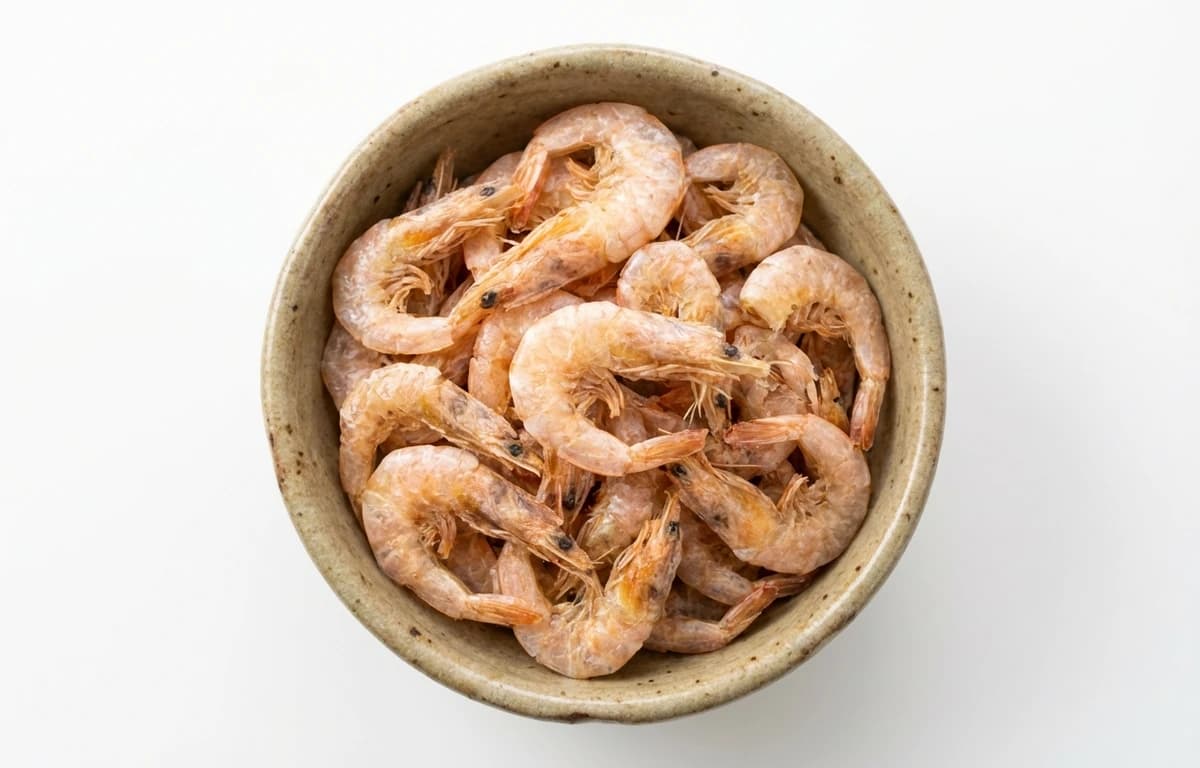
Also known as: dried small shrimp, dried tiny shrimp, dried krill, xia mi, udang kering, hiebi, jawla, sodi, chemmeen unakka, unakka chemmeen
Per 100g
Nutrition data source: USDA FoodData Central
Common measurement equivalents in grams
When stored in an airtight container in a cool, dry pantry, they last about 3-4 months. In the refrigerator, they stay fresh for 6 months, and in the freezer, up to a year.
Yes, it is highly recommended to rinse them under cold running water to remove any sand, grit, or surface impurities from the drying process.
While they are technically cured/dried, they are usually quite hard and salty. They are best enjoyed after being soaked or cooked into a dish.
Shrimp paste (belacan/kapi) or fish sauce can provide a similar umami depth, though they lack the texture. Dried scallops or bonito flakes are also good alternatives.
Salt is used as a preservative during the drying process. To reduce saltiness, soak them in warm water for 15 minutes and discard the soaking liquid.
Look for shrimp that are bright orange or pinkish in color. Avoid those that look grey, dull, or have white powdery spots, which may indicate mold or age.
They are very high in protein and minerals like calcium, but they are also very high in sodium and cholesterol. Use them in moderation as a seasoning or accent.
They are commonly used in Pad Thai, XO sauce, fried rice, Filipino ginataan, and various Chinese stir-fries and soups for umami flavor.
Dried Baby Shrimp is a versatile ingredient found in cuisines around the world. With 253 calories per 100g and 55.2 grams of protein, it's a nutritious addition to many dishes.
Explore more ingredients in the seafood category with complete nutrition information.
View all seafood →Discover 1 recipes featuring dried baby shrimp with step-by-step instructions.
Browse recipes →Explore more ingredients similar to Dried Baby Shrimp.
The most-searched ingredients on CraftMyMeals.
If you have rinsed the shrimp thoroughly before soaking, the soaking liquid can be used as a flavorful seafood stock for soups and sauces.