
Seafood
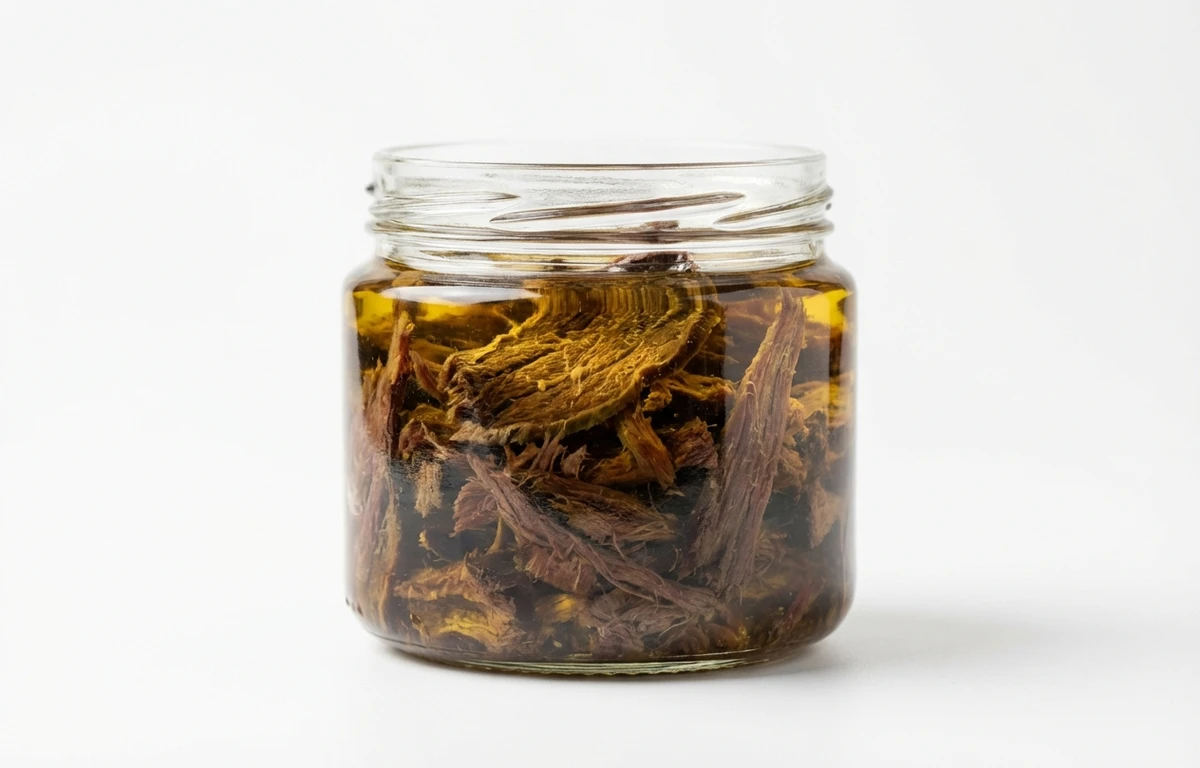
dried bearded seal meat in oil.
VegetarianVeganGluten-freeDairy-freeNut-freePeanut-freeSoy-freeEgg-freeShellfish-freeHoney-freeAlcohol-freeHalalKosher
SERVING
CALORIES
367
PROTEIN
35.3g
CARBS
0g
FAT
25.1g
FIBER
0g
NUTRITION PROFILE · per 100 g
Everything in this ingredient.
MACRONUTRIENTS
Calories367kcal—
Protein35.3g71%
Carbohydrates0g0%
Fiber0g0%
Sugar0g0%
Total fat25.1g32%
Saturated fat3.9g20%
Cholesterol64mg21%
Water35.5g—
MINERALS
Sodium120mg5%
Potassium400mg9%
Calcium7.0mg1%
Iron17mg94%
Magnesium29mg7%
Phosphorus240mg19%
Zinc3.1mg28%
Copper0.27mg30%
Manganese0.04mg2%
Selenium90.8µg165%
VITAMINS
Vitamin A15µg2%
Vitamin C0mg0%
Vitamin E0.55mg4%
Vitamin K0µg0%
Thiamin (B1)0.01mg1%
Riboflavin (B2)0.36mg28%
Niacin (B3)6.5mg41%
Pantothenic acid (B5)0.73mg15%
Vitamin B60.09mg5%
Folate (B9)11µg3%
Vitamin B125.8µg244%
%DV based on a 2,000 cal diet. Source: USDA FoodData Central. A dash in the %DV column means there’s no established Daily Value for that nutrient.
MEASUREMENT CONVERSIONS
How much is what.
1 cup248.4g
1 tablespoon15.5g
1 teaspoon5.2g
1 oz28.4g
1 lb453.6g
1 ml1.1g
1 liter1050g
HEALTH BENEFITS
Why eat it.
- ✓Extremely rich in Omega-3 fatty acids (EPA and DHA), which support cardiovascular health and brain function.
- ✓Excellent source of high-quality, complete protein for muscle maintenance and repair.
- ✓High in essential micronutrients, particularly heme iron for preventing anemia and Vitamin B12 for nerve function.
- ✓Provides a significant amount of Vitamin D, crucial for bone health and immune support, especially in northern climates.
COOKING TIPS
In the kitchen.
- 1This is a traditional preserved food with a very strong, gamey, and salty flavor. It is typically eaten as is, in small amounts.
- 2Serve at room temperature or slightly warmed to liquefy the oil. It can be paired with bland starches like bannock, bread, or potatoes to balance its intensity.
- 3Can be shredded and added to hearty stews or soups late in the cooking process to impart a rich, umami flavor.
- 4Due to its potent flavor, avoid pairing it with other strongly flavored ingredients that might clash.
STORAGE
Keep it fresh.
- Before opening, store in a cool, dark, and dry place, such as a pantry or cellar. The oil acts as a natural preservative.
- After opening, transfer to an airtight container and refrigerate. Consume within 2-3 weeks to prevent the oil from becoming rancid.
FAQ
Frequently asked questions.
Is dried bearded seal meat healthy?
Yes, dried bearded seal meat is exceptionally healthy, especially for those in northern climates. It's a powerhouse of nutrients, including high-quality protein, essential Omega-3 fatty acids (EPA and DHA), and vital micronutrients like heme iron, Vitamin B12, and Vitamin D. These contribute to cardiovascular health, brain function, strong bones, and a robust immune system.
What are the main nutritional values of dried bearded seal meat in oil?
Per 100g, dried bearded seal meat in oil provides approximately 367 calories. It is very high in protein, with 35.31g, and rich in fat, containing 25.08g. Notably, it has 0g of carbohydrates, making it a nutrient-dense food source.
Is dried bearded seal meat good for heart health?
Absolutely. Dried bearded seal meat is extremely rich in Omega-3 fatty acids, specifically EPA and DHA. These fatty acids are well-known for their significant benefits to cardiovascular health, including reducing inflammation, lowering triglyceride levels, and supporting overall heart function.
Is dried bearded seal meat suitable for a low-carb or keto diet?
Yes, dried bearded seal meat in oil is an excellent choice for low-carb and ketogenic diets. It contains 0g of carbohydrates per 100g, while being very high in protein and healthy fats. This nutritional profile supports ketosis and provides sustained energy.
Is dried bearded seal meat gluten-free?
Yes, dried bearded seal meat is naturally gluten-free. It is a pure animal product and does not contain any grains or gluten-containing ingredients, making it suitable for individuals with celiac disease or gluten sensitivity.
How is dried bearded seal meat in oil typically consumed?
Dried bearded seal meat in oil is traditionally consumed as a nutrient-dense snack or a staple food in Arctic communities. It can be eaten directly from the package, often alongside other traditional foods, or incorporated into stews and other dishes for added flavor and nutrition.
What does dried bearded seal meat taste like?
Dried bearded seal meat has a distinct, rich, and savory flavor. It often has a gamey taste, characteristic of marine mammals, with a subtle hint of the sea. The drying process concentrates its natural flavors, and the oil adds to its richness.
How should dried bearded seal meat in oil be stored?
For optimal freshness and longevity, dried bearded seal meat in oil should be stored in a cool, dark place, away from direct sunlight. Once opened, it's best to refrigerate it to maintain quality and prevent spoilage, ensuring the oil remains fresh.
Are there concerns about contaminants like mercury in dried bearded seal meat?
Like many marine mammals, seals can accumulate environmental contaminants. However, traditional indigenous communities have consumed seal meat for millennia as a vital food source. Regulatory bodies often monitor contaminant levels, and the nutritional benefits, particularly Omega-3s and Vitamin D, are significant.
Is the consumption of bearded seal meat sustainable or ethical?
The harvesting of bearded seals is a traditional and culturally significant practice for many Indigenous communities in the Arctic, often conducted under strict regulations. These practices are typically subsistence-based and managed to ensure the sustainability of seal populations and the health of the ecosystem.



















