Protein3 recipes
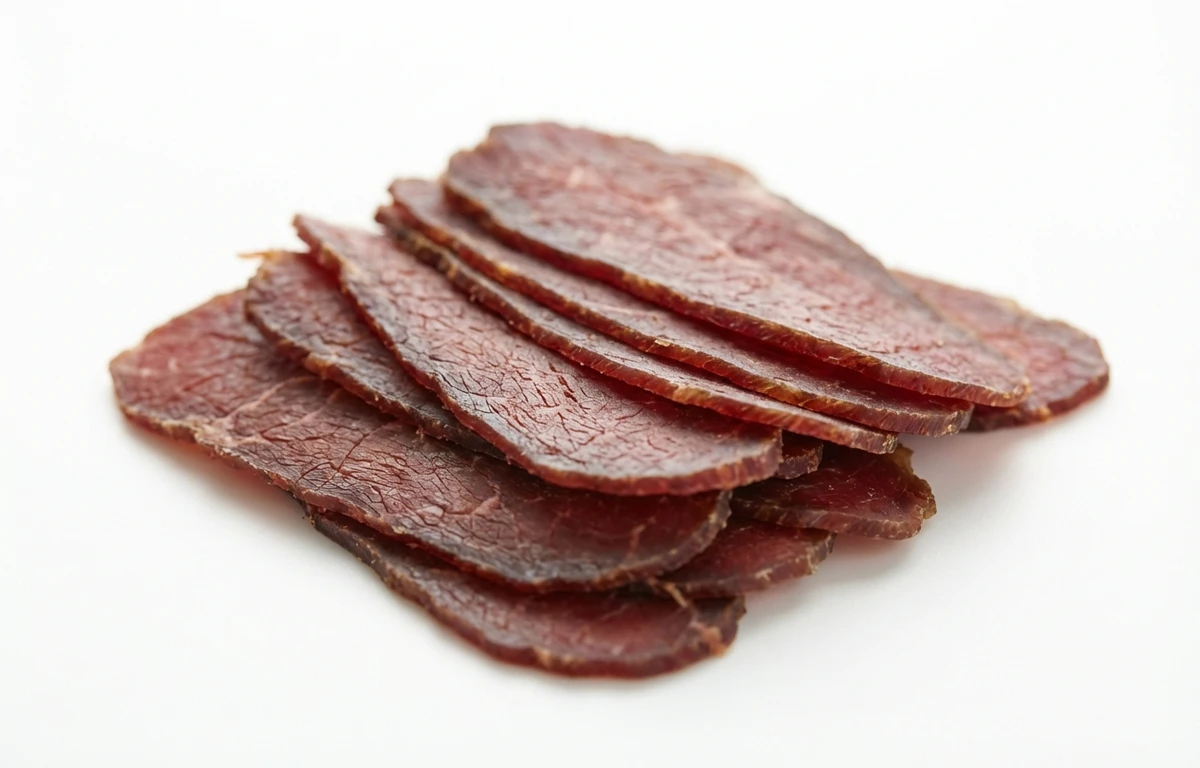
dried beef.
VegetarianVeganGluten-freeDairy-freeNut-freePeanut-freeSoy-freeEgg-freeShellfish-freeHoney-freeAlcohol-free
ALSO KNOWN AS
beef jerkychipped beef
SERVING
CALORIES
285
PROTEIN
33.2g
CARBS
2.1g
FAT
12.4g
FIBER
0g
NUTRITION PROFILE · per 100 g
Everything in this ingredient.
MACRONUTRIENTS
Calories285kcal—
Protein33.2g66%
Carbohydrates2.1g1%
Fiber0g0%
Sugar1.2g2%
Total fat12.4g16%
Saturated fat5.1g26%
Trans fat0.60g—
Cholesterol85mg28%
Water35g—
MINERALS
Sodium2250mg98%
Potassium540mg11%
Calcium15mg1%
Iron4.8mg27%
Magnesium25mg6%
Phosphorus320mg26%
Zinc6.2mg56%
Copper0.15mg17%
Manganese0.02mg1%
Selenium28.5µg52%
VITAMINS
Vitamin A0µg0%
Vitamin C0mg0%
Vitamin D0.10µg1%
Vitamin E0.40mg3%
Vitamin K1.2µg1%
Thiamin (B1)0.05mg4%
Riboflavin (B2)0.25mg19%
Niacin (B3)5.8mg36%
Pantothenic acid (B5)0.45mg9%
Vitamin B60.35mg21%
Folate (B9)8.0µg2%
Vitamin B122.4µg100%
%DV based on a 2,000 cal diet. Source: USDA FoodData Central. A dash in the %DV column means there’s no established Daily Value for that nutrient.
MEASUREMENT CONVERSIONS
How much is what.
1 cup120g
1 oz28.4g
1 lb453.6g
HEALTH BENEFITS
Why eat it.
- ✓Excellent source of high-quality complete protein
- ✓Rich in heme iron which is easily absorbed by the body
- ✓High in Vitamin B12 for nerve function and blood health
- ✓Contains zinc which supports a healthy immune system
- ✓Low in carbohydrates making it suitable for keto diets
COOKING TIPS
In the kitchen.
- 1If the beef is too salty, rinse it under cold water before using in recipes
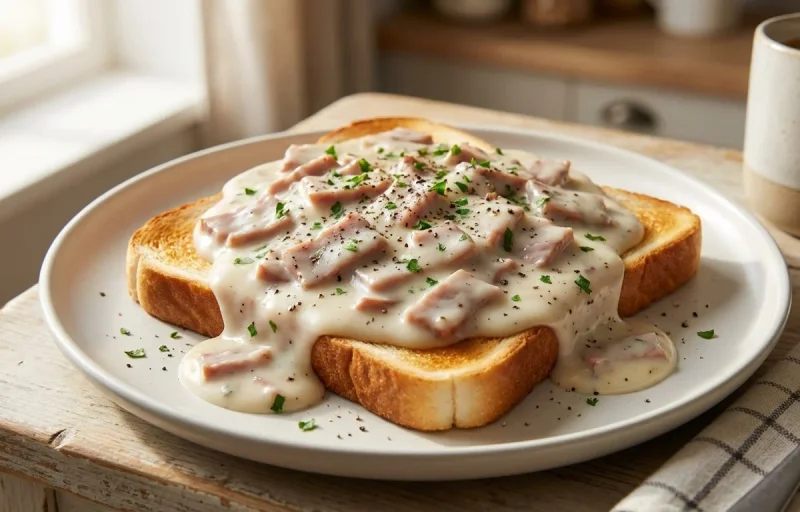
- 2Finely chop and simmer in a white sauce to make classic creamed chipped beef
- 3Add to stews or soups during the last few minutes of cooking for a savory boost
STORAGE
Keep it fresh.
- Store in a cool, dry place away from direct sunlight
- Once opened, keep in an airtight container to prevent moisture absorption
- Refrigerate after opening to extend shelf life and maintain freshness
FAQ
Frequently asked questions.
How long does dried beef last?
Unopened, commercially dried beef can last 1-2 years in a cool, dry pantry. Once opened, it should be consumed within 1 week or refrigerated for up to 1 month.
Can dried beef be frozen?
Yes, you can freeze dried beef in an airtight container or vacuum-sealed bag for up to 6 months to preserve its quality.
What is the difference between dried beef and beef jerky?
Dried beef (like chipped beef) is typically cured and very thinly sliced, often used as a cooking ingredient. Beef jerky is usually marinated, thicker, and intended as a snack.
Is dried beef healthy?
It is high in protein and iron but also very high in sodium. It should be consumed in moderation, especially by those monitoring salt intake.
How do I pick the best quality dried beef?
Look for a deep, uniform red color. Avoid packages with visible moisture, fat marbling that looks yellow, or any signs of mold.
What can I use as a substitute for dried beef?
Biltong, smoked ham, or even thin slices of salty prosciutto can work depending on the recipe requirements.
Does dried beef need to be cooked?
No, dried beef is already cured and dried, making it safe to eat straight from the package, though it is often heated in sauces.
Why is dried beef so salty?
Salt is used as a primary preservative in the drying process to inhibit bacterial growth and remove moisture.
Is dried beef gluten-free?
Pure dried beef is gluten-free, but some brands use soy sauce or flavorings in the cure that may contain wheat. Always check the label.
What are common dishes made with dried beef?
The most famous dish is 'Creamed Chipped Beef on Toast' (S.O.S.), but it is also used in cheese balls, dips, and salads.
RECIPES
Cook with dried beef.
3 recipes · sorted by what’s quick