
Seafood
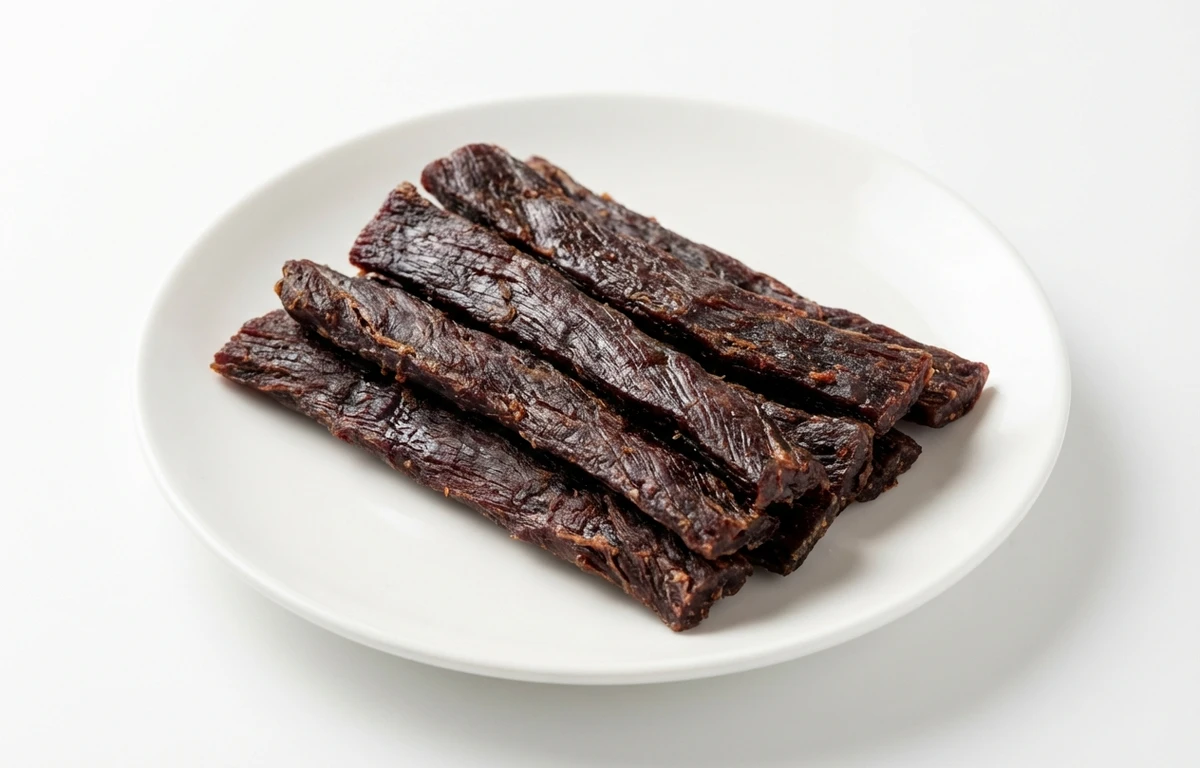
dried beluga whale meat.
VegetarianVeganGluten-freeDairy-freeNut-freePeanut-freeSoy-freeEgg-freeShellfish-freeHoney-freeAlcohol-freeHalalKosher
SERVING
CALORIES
327
PROTEIN
69.9g
CARBS
0g
FAT
5.3g
FIBER
0g
NUTRITION PROFILE · per 100 g
Everything in this ingredient.
MACRONUTRIENTS
Calories327kcal—
Protein69.9g140%
Carbohydrates0g0%
Fiber0g0%
Sugar0g0%
Total fat5.3g7%
Saturated fat1.2g6%
Cholesterol122mg41%
Water22.4g—
MINERALS
Sodium220mg10%
Potassium800mg17%
Calcium22mg2%
Iron72.3mg402%
Magnesium63mg15%
Phosphorus549mg44%
Zinc7.8mg71%
Copper0.32mg36%
Manganese0.13mg6%
Selenium103µg187%
VITAMINS
Vitamin A0µg0%
Vitamin C0mg0%
Vitamin E0.27mg2%
Vitamin K0µg0%
Thiamin (B1)0.04mg3%
Riboflavin (B2)0.52mg40%
Niacin (B3)15.2mg95%
Pantothenic acid (B5)1.7mg34%
Vitamin B60.13mg8%
Folate (B9)10µg3%
Vitamin B127.3µg305%
%DV based on a 2,000 cal diet. Source: USDA FoodData Central. A dash in the %DV column means there’s no established Daily Value for that nutrient.
MEASUREMENT CONVERSIONS
How much is what.
1 cup90g
1 tablespoon6g
1 oz28.4g
1 lb453.6g
HEALTH BENEFITS
Why eat it.
- ✓Extremely high in complete protein, essential for muscle repair and building tissue.
- ✓Rich source of heme iron, which is crucial for preventing anemia and supporting oxygen transport in the blood.
- ✓Contains significant amounts of omega-3 fatty acids (EPA and DHA), which support brain function and cardiovascular health.
- ✓Provides a good source of Vitamin A and Vitamin D.
COOKING TIPS
In the kitchen.
- 1Rehydrate the dried meat by soaking it in cold water for several hours or overnight before cooking to soften its tough texture.
- 2Due to its very strong and gamey flavor, it is best used in small amounts to flavor hearty stews, soups, or broths.
- 3After rehydrating, simmer the meat slowly over low heat for an extended period to achieve a more tender consistency.
- 4Can be shaved or thinly sliced and eaten as a jerky, but expect a very tough and chewy texture.
STORAGE
Keep it fresh.
- Store in a cool, dry, and dark place in a vacuum-sealed or airtight container to prevent moisture absorption and spoilage.
- For long-term storage (beyond several months), wrap tightly and store in a freezer to maintain quality and prevent rancidity of fats.
FAQ
Frequently asked questions.
Is dried beluga whale meat healthy?
Dried beluga whale meat is exceptionally high in complete protein (nearly 70g per 100g), making it excellent for muscle repair and growth. It's also a rich source of heme iron, omega-3 fatty acids (EPA and DHA), and vitamins A and D. However, like other marine mammals, it can accumulate heavy metals like mercury, so consumption should be mindful of potential contaminant levels.
How much protein is in dried beluga whale meat?
Dried beluga whale meat is an incredibly concentrated source of protein. A 100g serving contains approximately 69.86g of protein, making it one of the highest protein foods available.
Is dried beluga whale meat good for weight loss?
Due to its extremely high protein content, dried beluga whale meat can promote satiety and help reduce overall calorie intake, which may aid in weight management. It is also low in carbohydrates. However, it is calorie-dense (327 calories per 100g), so portion control is important.
Is dried beluga whale meat keto-friendly?
Yes, dried beluga whale meat is highly keto-friendly. It contains 0g of carbohydrates, is very high in protein, and has a moderate fat content (5.34g per 100g), aligning well with ketogenic dietary principles.
Is dried beluga whale meat gluten-free?
Yes, dried beluga whale meat is naturally gluten-free. It is a pure animal product and does not contain any grains or gluten-containing ingredients.
How is dried beluga whale meat typically prepared or eaten?
Dried beluga whale meat is often eaten as a nutrient-dense snack, similar to jerky. It can also be rehydrated and used in stews, soups, or other traditional dishes, particularly in Arctic indigenous cuisines, where it provides essential sustenance.
What does dried beluga whale meat taste like?
Dried beluga whale meat has a very distinct and intense flavor. It is often described as rich, gamey, salty, and having a strong umami profile with a noticeable fishy or marine undertone. The texture is typically chewy and firm.
How should dried beluga whale meat be stored?
Dried beluga whale meat should be stored in a cool, dry place in an airtight container to prevent moisture absorption and spoilage. Once opened, it's best to refrigerate it to maintain freshness and extend its shelf life.
Does dried beluga whale meat contain mercury or other contaminants?
Yes, beluga whales, being marine mammals at the top of the food chain, can accumulate significant levels of heavy metals like mercury, as well as persistent organic pollutants (POPs) such as PCBs and dioxins. These contaminants can pose health risks, especially with frequent consumption.
Is the consumption of beluga whale meat sustainable or ethical?
Beluga whales are protected in many regions, and their populations are vulnerable or endangered in some areas. The harvesting and consumption of beluga whale meat are highly regulated and primarily limited to indigenous communities in the Arctic, where it is a traditional food source. Commercial hunting is generally prohibited, and sustainability concerns are significant.



















