
Vegetable1 recipes
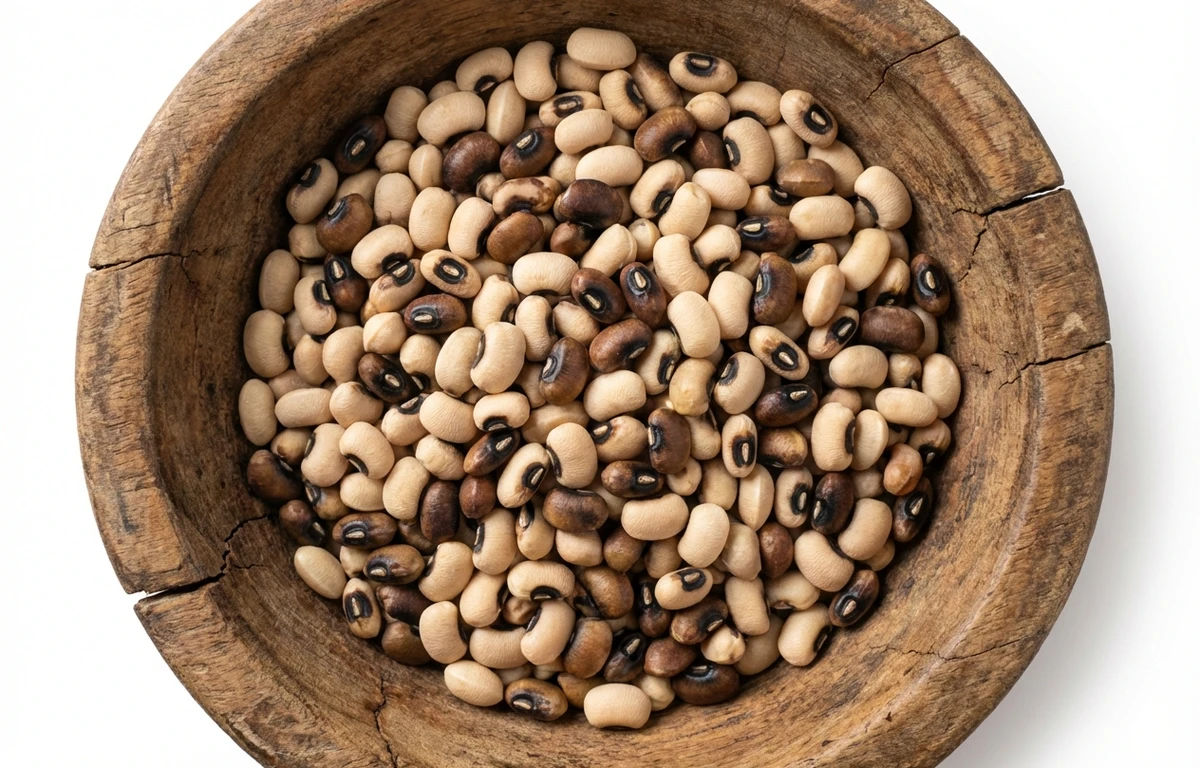
dried black-eyed peas.
VegetarianVeganGluten-freeDairy-freeNut-freePeanut-freeSoy-freeEgg-freeShellfish-freeHoney-freeAlcohol-free
ALSO KNOWN AS
dried black eyed peasdried lobiadry black eyed peascowpeas
SERVING
CALORIES
336
PROTEIN
23.5g
CARBS
60g
FAT
1.0g
FIBER
11.1g
This ingredient is flagged as naturally gluten-free. Per 100 g, it provides 8.2 µg of vitamin K.
NUTRITION PROFILE · per 100 g
Everything in this ingredient.
MACRONUTRIENTS
Calories336kcal—
Protein23.5g47%
Carbohydrates60g22%
Fiber11.1g40%
Sugar3.0g6%
Total fat1.0g1%
Saturated fat0.20g1%
Trans fat0g—
Cholesterol0mg0%
Water10g—
MINERALS
Sodium16mg1%
Potassium1200mg26%
Calcium110mg8%
Iron6.5mg36%
Magnesium170mg40%
Phosphorus424mg34%
Zinc3.3mg30%
Copper0.82mg91%
Manganese0.93mg40%
Selenium8.2µg15%
VITAMINS
Vitamin A1.0µg0%
Vitamin C1.8mg2%
Vitamin D0µg0%
Vitamin E0.10mg1%
Vitamin K8.2µg7%
Thiamin (B1)0.81mg68%
Riboflavin (B2)0.21mg16%
Niacin (B3)2.1mg13%
Pantothenic acid (B5)0.83mg17%
Vitamin B60.43mg25%
Folate (B9)633µg158%
Vitamin B120µg0%
%DV based on a 2,000 cal diet. Source: USDA FoodData Central. A dash in the %DV column means there’s no established Daily Value for that nutrient.
MEASUREMENT CONVERSIONS
How much is what.
1 cup170g
1 tablespoon10.6g
1 teaspoon3.5g
1 oz28.4g
1 lb453.6g
1 ml0.7g
1 liter708.3g
HEALTH BENEFITS
Why eat it.
- ✓Excellent source of plant-based protein, essential for muscle building and repair.
- ✓Rich in folate (Vitamin B9), which is crucial for red blood cell formation and healthy cell growth.
- ✓Contains soluble fiber that can help lower LDL ('bad') cholesterol levels, supporting heart health.
- ✓Good source of iron, important for oxygen transport and energy metabolism.
COOKING TIPS
In the kitchen.
- 1Soak dried peas for at least 6-8 hours or overnight in cold water to reduce cooking time and improve digestibility. Alternatively, use a quick-soak method by boiling for 2 minutes, removing from heat, and letting them stand for 1 hour.
- 2Do not add salt or acidic ingredients like tomatoes or lemon juice until the peas are tender, as this can toughen their skins and increase cooking time.
- 3Simmer gently rather than boiling rapidly to ensure they cook evenly and prevent the skins from splitting.
- 4They pair well with smoky flavors (like smoked paprika or smoked meats), onions, garlic, and leafy greens like collards or kale.
- 5Rinse thoroughly before and after soaking.
STORAGE
Keep it fresh.
- Store dried black-eyed peas in an airtight container in a cool, dark, and dry place, such as a pantry.
- For best quality, use within one year of purchase, as older peas may take longer to cook and have a less vibrant flavor.
- Keep away from moisture and direct sunlight to prevent spoilage.
FAQ
Frequently asked questions.
Are black-eyed peas vegan and gluten-free?
Yes, black-eyed peas are naturally vegan, as they are a plant-based legume. They are also naturally gluten-free, making them a safe and nutritious option for individuals following a gluten-free diet.
How do you cook dried black-eyed peas?
First, rinse the dried peas thoroughly. You can soak them overnight to reduce cooking time, or use a quick soak method. Then, simmer them in water or broth for about 45-60 minutes (if soaked) or 1.5-2 hours (if unsoaked) until tender.
Do dried black-eyed peas need to be soaked before cooking?
Soaking dried black-eyed peas is recommended but not strictly necessary. Soaking helps reduce cooking time significantly and can also improve digestibility by breaking down some complex sugars. If not soaked, they will simply require a longer cooking period.
What do black-eyed peas taste like?
Black-eyed peas have a mild, earthy, and slightly nutty flavor with a creamy texture when cooked. They readily absorb the flavors of other ingredients, making them versatile for various culinary preparations, from stews to salads.
Do black-eyed peas cause gas or bloating?
Like many legumes, black-eyed peas can cause gas or bloating in some individuals due to their high fiber and complex carbohydrate content. Soaking them before cooking, rinsing them well, and gradually increasing your intake can help minimize these effects.
RECIPES
Cook with dried black-eyed peas.
1 recipes · sorted by what’s quick



















