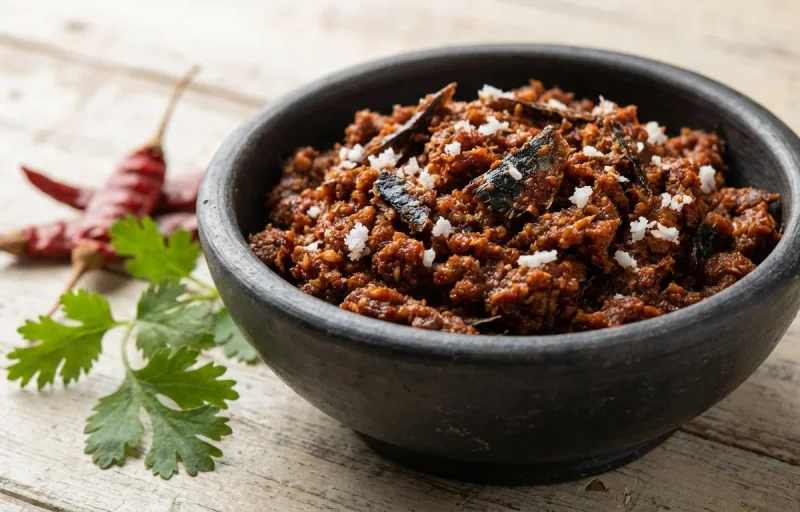
Other2 recipes
dried bombay duck.
VegetarianVeganGluten-freeDairy-freeNut-freePeanut-freeSoy-freeEgg-freeShellfish-freeHoney-freeAlcohol-free
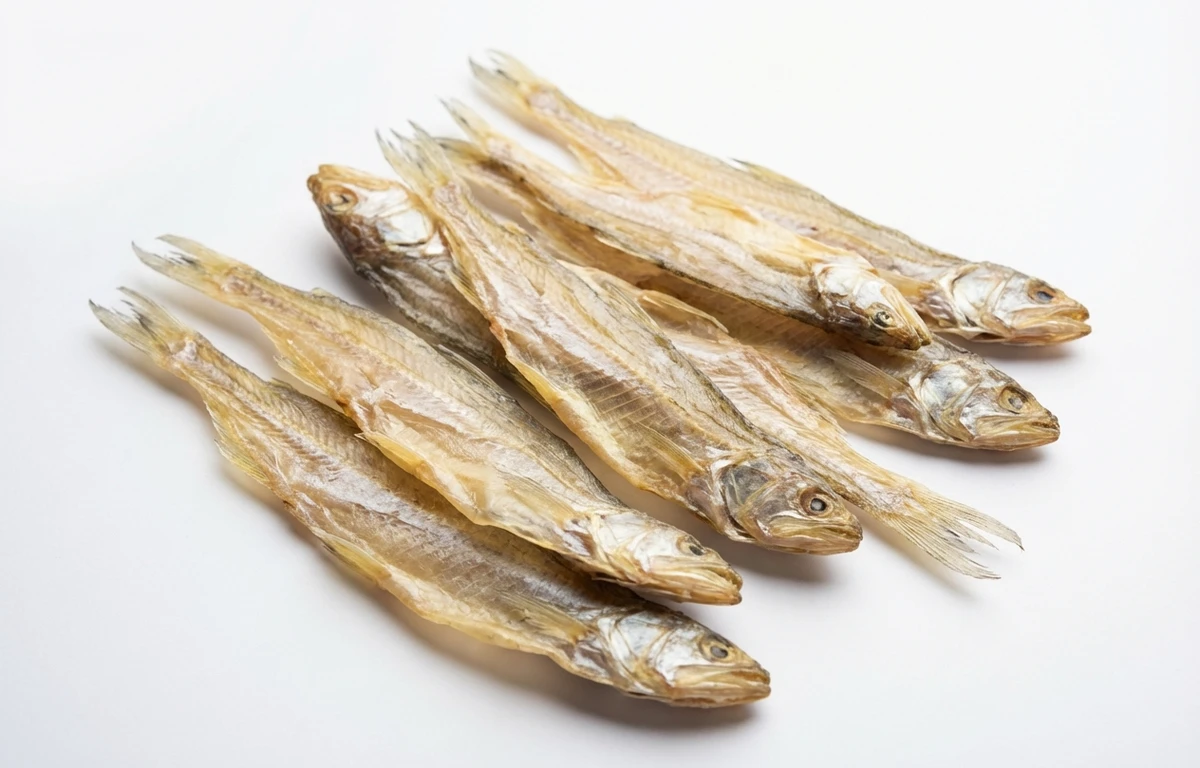
SERVING
CALORIES
293
PROTEIN
62.5g
CARBS
0g
FAT
4.1g
FIBER
0g
This ingredient is flagged as naturally gluten-free.
NUTRITION PROFILE · per 100 g
Everything in this ingredient.
MACRONUTRIENTS
Calories293kcal—
Protein62.5g125%
Carbohydrates0g0%
Fiber0g0%
Sugar0g0%
Total fat4.1g5%
Saturated fat1.0g5%
Cholesterol100mg33%
MINERALS
Sodium10000mg435%
Potassium1000mg21%
Calcium1700mg131%
Iron10mg56%
Magnesium210mg50%
Phosphorus1250mg100%
Zinc3.8mg35%
VITAMINS
Thiamin (B1)0.06mg5%
Riboflavin (B2)0.25mg19%
Niacin (B3)7.2mg45%
Vitamin B60.35mg21%
%DV based on a 2,000 cal diet. Source: USDA FoodData Central. A dash in the %DV column means there’s no established Daily Value for that nutrient.
MEASUREMENT CONVERSIONS
How much is what.
1 piece20g
HEALTH BENEFITS
Why eat it.
- ✓Excellent source of high-quality, complete protein for muscle maintenance and repair.
- ✓Rich in calcium and phosphorus from its edible bones, which are crucial for strong bones and teeth.
COOKING TIPS
In the kitchen.
- 1Before cooking, soak the dried fish in warm water for 10-15 minutes to soften it and reduce its saltiness.
- 2It is famously deep-fried or pan-fried until golden and crispy, often served as a crunchy side dish (a 'bombil fry') with rice and curry.
- 3Break into smaller pieces and add to curries, chutneys, or stir-fries to impart a strong, savory, umami flavor.
- 4Be aware of its very pungent aroma when cooking; ensure your kitchen is well-ventilated.
STORAGE
Keep it fresh.
- Store in a cool, dry, and dark place inside an airtight container to prevent moisture absorption and protect from pests.
- For long-term storage (over a month), place the airtight container in the refrigerator or freezer to preserve its flavor and prevent spoilage.
FAQ
Frequently asked questions.
How much protein is in dried Bombay duck?
Dried Bombay duck is exceptionally high in protein. A 100g serving contains approximately 62.5g of high-quality protein, making it one of the most protein-dense seafood options available.
How do you cook dried Bombay duck?
Dried Bombay duck is often fried until crispy, roasted, or grilled. It can also be added to curries, stir-fries, or chutneys after being lightly fried. Some recipes suggest a quick rinse before cooking to reduce surface saltiness.
What does dried Bombay duck taste like?
It has a distinct, strong, and pungent umami flavor, characteristic of dried fish. When cooked, it becomes crispy and develops a savory, slightly salty taste with a unique aroma that is highly prized in certain cuisines.
How do you store dried Bombay duck?
Store dried Bombay duck in an airtight container in a cool, dry place away from direct sunlight. For longer preservation and to contain its strong aroma, it can be kept in the refrigerator or freezer.
How long does dried Bombay duck last?
When stored properly in a cool, dry, airtight container, dried Bombay duck can last for several months, typically 6-12 months. In the refrigerator or freezer, its shelf life can extend even further.
Does dried Bombay duck need to be rehydrated before cooking?
Generally, no, dried Bombay duck does not require rehydration. It is typically cooked directly, often by frying or roasting, which crisps it up. A quick rinse might be done to reduce excess saltiness, but soaking is not common.
RECIPES
Cook with dried bombay duck.
2 recipes · sorted by what’s quick