
Herb
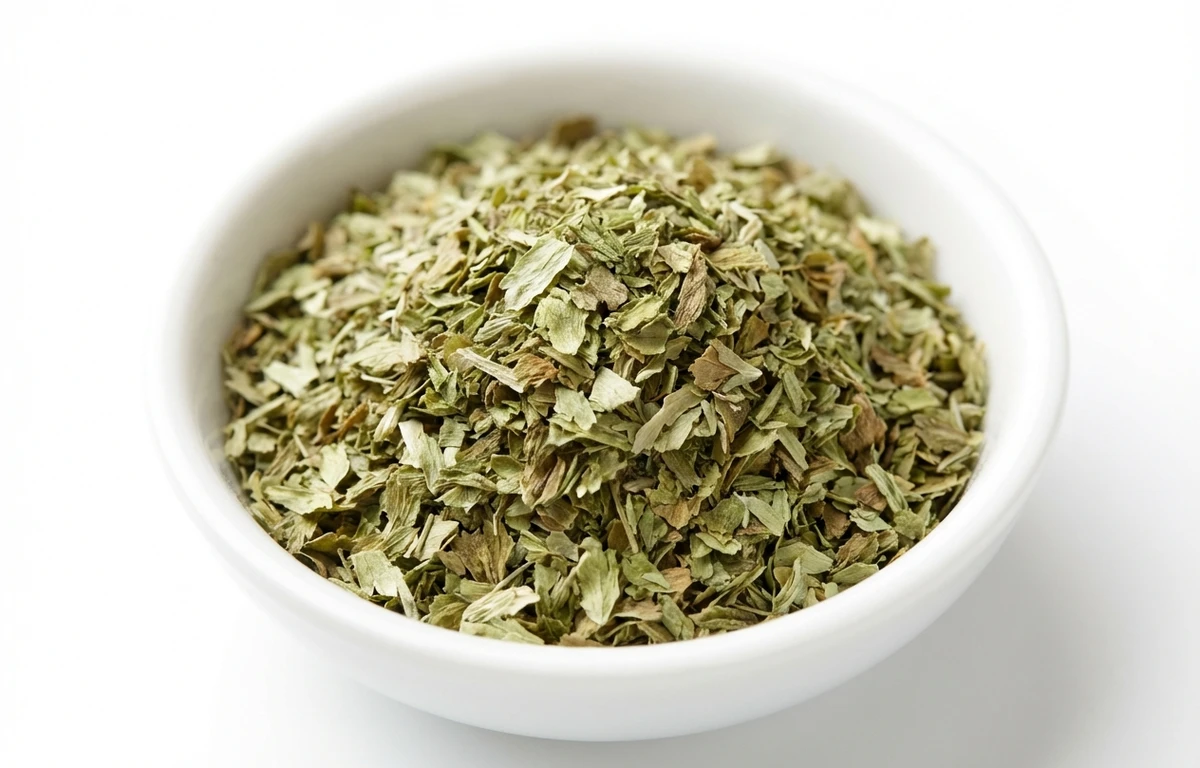
dried chervil.
VegetarianVeganGluten-freeDairy-freeNut-freePeanut-freeSoy-freeEgg-freeShellfish-freeHoney-freeAlcohol-free
SERVING
CALORIES
324
PROTEIN
23.2g
CARBS
49.1g
FAT
3.9g
FIBER
11.3g
NUTRITION PROFILE · per 100 g
Everything in this ingredient.
MACRONUTRIENTS
Calories324kcal—
Protein23.2g46%
Carbohydrates49.1g18%
Fiber11.3g40%
Sugar0g0%
Total fat3.9g5%
Saturated fat0.20g1%
Trans fat0g—
Cholesterol0mg0%
Water7.2g—
MINERALS
Sodium83mg4%
Potassium4740mg101%
Calcium1346mg104%
Iron31.9mg178%
Magnesium130mg31%
Phosphorus450mg36%
Zinc8.8mg80%
Copper1.9mg211%
Manganese2.1mg91%
Selenium4.4µg8%
VITAMINS
Vitamin A293µg33%
Vitamin C50mg56%
Vitamin D0µg0%
Vitamin E2.9mg19%
Vitamin K1350µg1125%
Thiamin (B1)0.93mg78%
Riboflavin (B2)0.68mg52%
Niacin (B3)5.4mg34%
Pantothenic acid (B5)0.30mg6%
Vitamin B60.93mg55%
Folate (B9)274µg69%
Vitamin B120µg0%
%DV based on a 2,000 cal diet. Source: USDA FoodData Central. A dash in the %DV column means there’s no established Daily Value for that nutrient.
MEASUREMENT CONVERSIONS
How much is what.
1 cup30.4g
1 tablespoon1.9g
1 teaspoon0.6g
1 ml0.1g
1 liter126.7g
HEALTH BENEFITS
Why eat it.
- ✓Contains antioxidants like flavonoids that help combat oxidative stress.
- ✓Provides small amounts of essential micronutrients, including vitamin A, vitamin C, iron, and magnesium.
- ✓Traditionally used as a mild digestive aid and to support kidney function due to its diuretic properties.
- ✓The volatile oil, estragole, which gives chervil its characteristic scent, may possess mild antiseptic properties.
COOKING TIPS
In the kitchen.
- 1Dried chervil is much milder than fresh; use approximately one teaspoon of dried for every tablespoon of fresh chervil required.
- 2Add dried chervil near the end of the cooking process to retain its subtle, anise-like flavor, which can be diminished by prolonged heat.
- 3A key ingredient in the classic French 'fines herbes' blend, it pairs well with eggs, fish, poultry, and light cream or butter-based sauces.
- 4To enhance its flavor in cold dishes like dressings or dips, rehydrate the dried herb in a small amount of warm water for a few minutes before incorporating.
STORAGE
Keep it fresh.
- Store in a cool, dark, and dry place, such as a pantry or spice cabinet, away from direct sunlight and heat.
- Keep in a tightly sealed, airtight container to preserve its delicate flavor and aroma for up to one year.
FAQ
Frequently asked questions.
Is dried chervil healthy?
Yes, dried chervil offers health benefits, primarily from its antioxidant content like flavonoids, which help combat oxidative stress. It also provides small amounts of essential micronutrients such as vitamin A, vitamin C, iron, and magnesium. Traditionally, it has been used as a mild digestive aid and for its diuretic properties.
What are the nutritional benefits of dried chervil?
While typically consumed in small amounts, 100g of dried chervil contains approximately 237 calories, 23.2g protein, 49.1g carbohydrates, and 3.9g fat. It's a source of antioxidants and provides trace amounts of vitamins A and C, iron, and magnesium, contributing to overall well-being.
Is dried chervil good for weight loss?
Dried chervil itself is not a significant weight loss aid due to the small quantities typically consumed. While it's low in calories per serving, its primary role is to add flavor and some micronutrients to dishes. It can be part of a healthy diet, but its direct impact on weight loss is minimal.
Is dried chervil vegan and gluten-free?
Yes, dried chervil is both vegan and gluten-free. As a plant-based herb, it contains no animal products or by-products, making it suitable for vegan diets. It is naturally free from gluten, making it safe for individuals with celiac disease or gluten sensitivity.
Is dried chervil keto-friendly?
While 100g of dried chervil contains 49.1g of carbohydrates, it is used in very small quantities (typically a teaspoon or less per serving). Therefore, when used as a seasoning, dried chervil is generally considered keto-friendly as it contributes negligible net carbs to a meal.
What does dried chervil taste like and how is it used in cooking?
Dried chervil has a delicate, subtle flavor often described as a mild blend of parsley and anise, with a hint of tarragon. It's best added towards the end of cooking to preserve its delicate notes. It's commonly used in French cuisine, particularly in egg dishes, delicate sauces, fish, chicken, and vegetable preparations.
Can I substitute dried chervil with other herbs?
Due to its unique delicate flavor, finding a perfect substitute for chervil can be challenging. However, a mix of dried parsley and a tiny pinch of dried tarragon can offer a similar aromatic profile. Alternatively, dried dill or a very small amount of dried anise can be used, depending on the dish.
How should I store dried chervil to maintain its flavor?
To maintain its delicate flavor and potency, dried chervil should be stored in an airtight container in a cool, dark, and dry place, away from direct sunlight and heat. This helps prevent moisture absorption and preserves its aromatic compounds.
How long does dried chervil last?
When stored properly, dried chervil can last for 1 to 3 years. While it doesn't spoil in a way that makes it unsafe to eat, its flavor and aroma will gradually diminish over time. For best results, it's recommended to use it within 1-2 years of purchase.
What is the difference between fresh and dried chervil?
Fresh chervil has a more vibrant, delicate, and slightly peppery flavor compared to its dried counterpart. Dried chervil retains a similar aromatic profile but is less intense and more concentrated. When substituting, use about one-third to one-half the amount of dried chervil compared to fresh, and add it later in the cooking process.



















