legume1 recipes
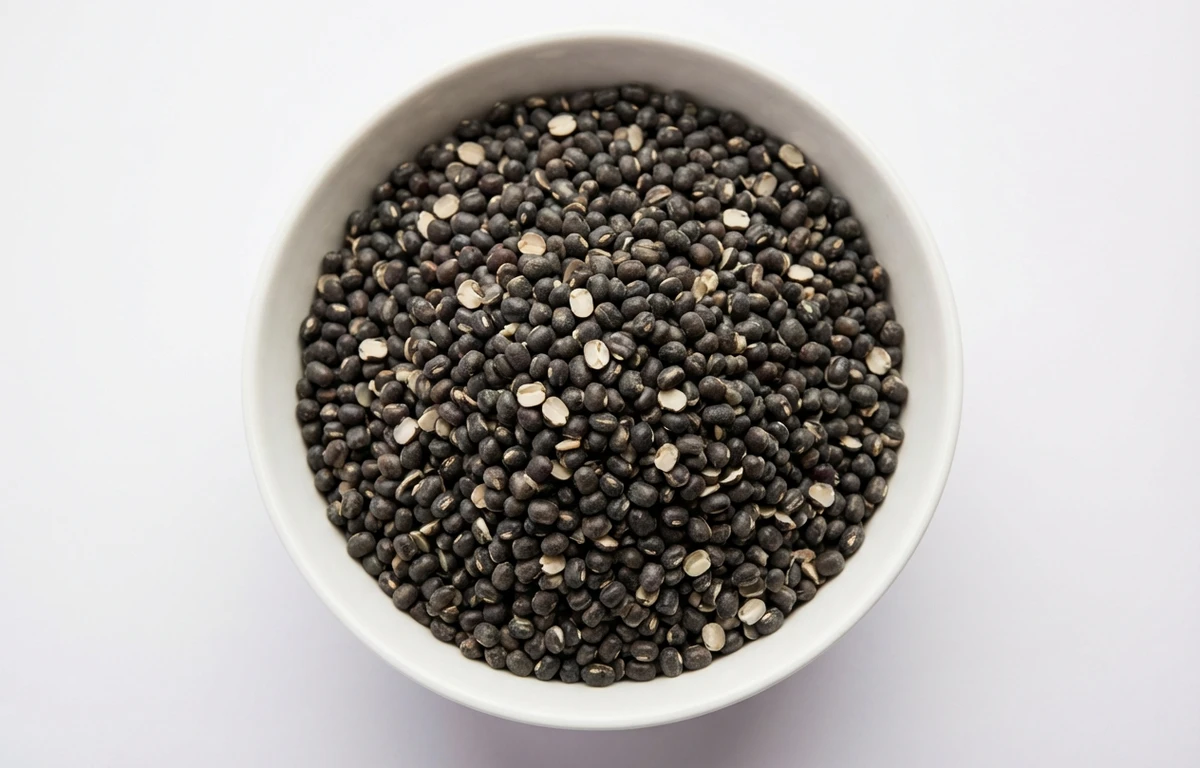
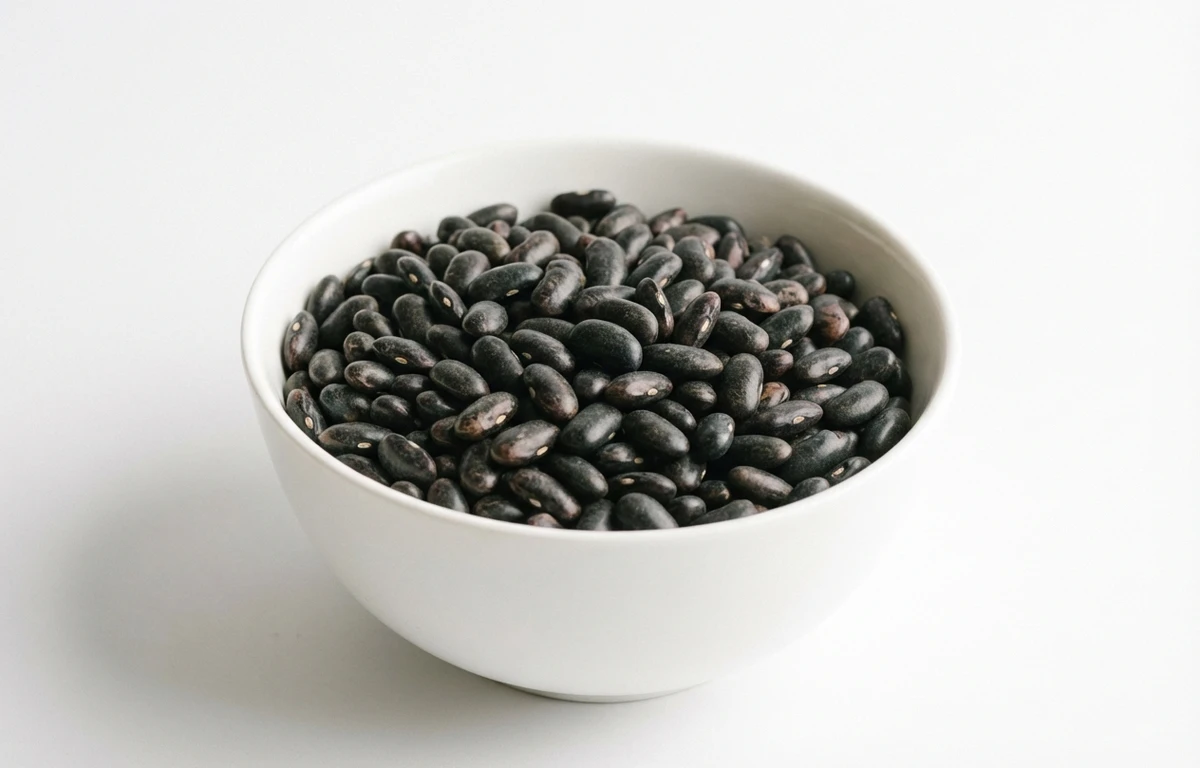
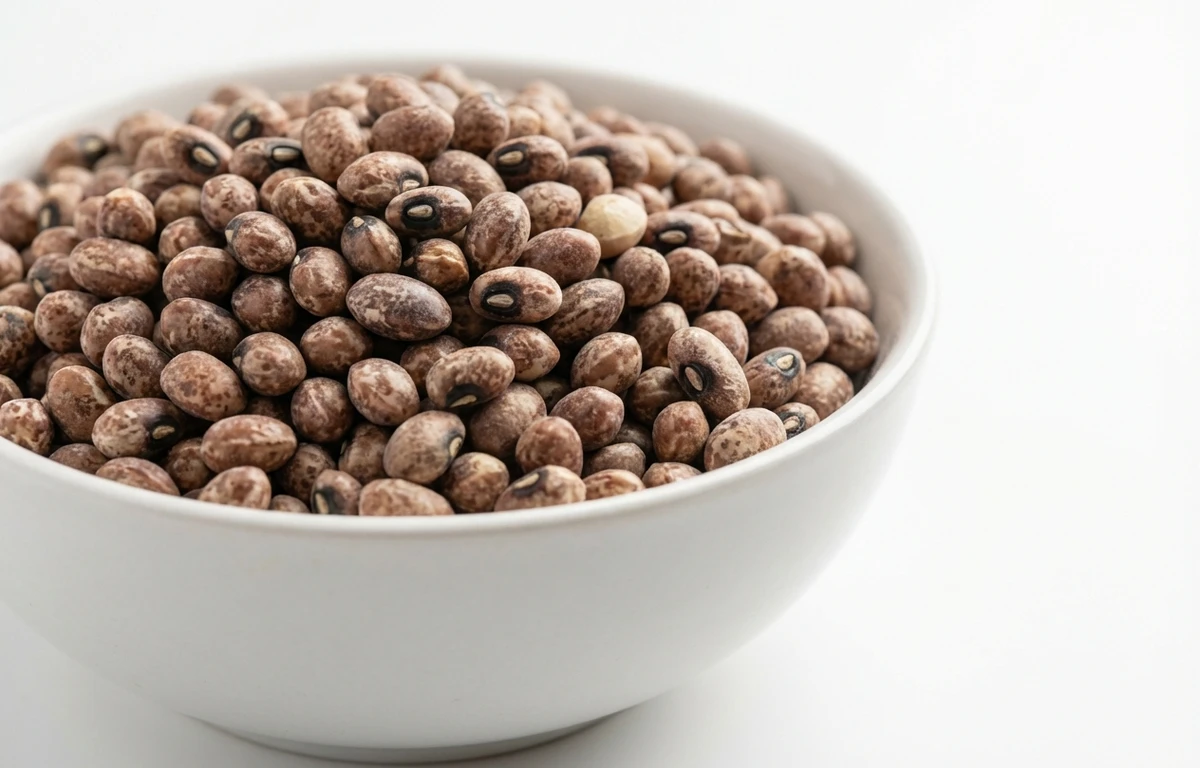
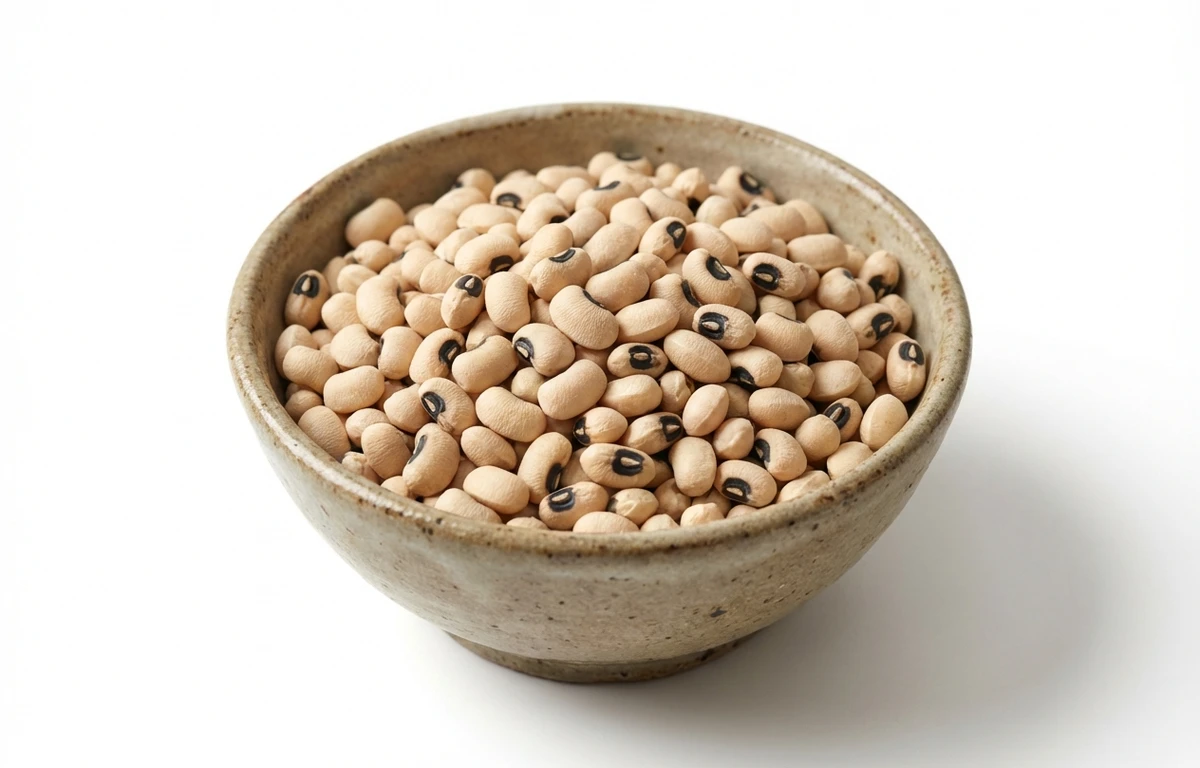
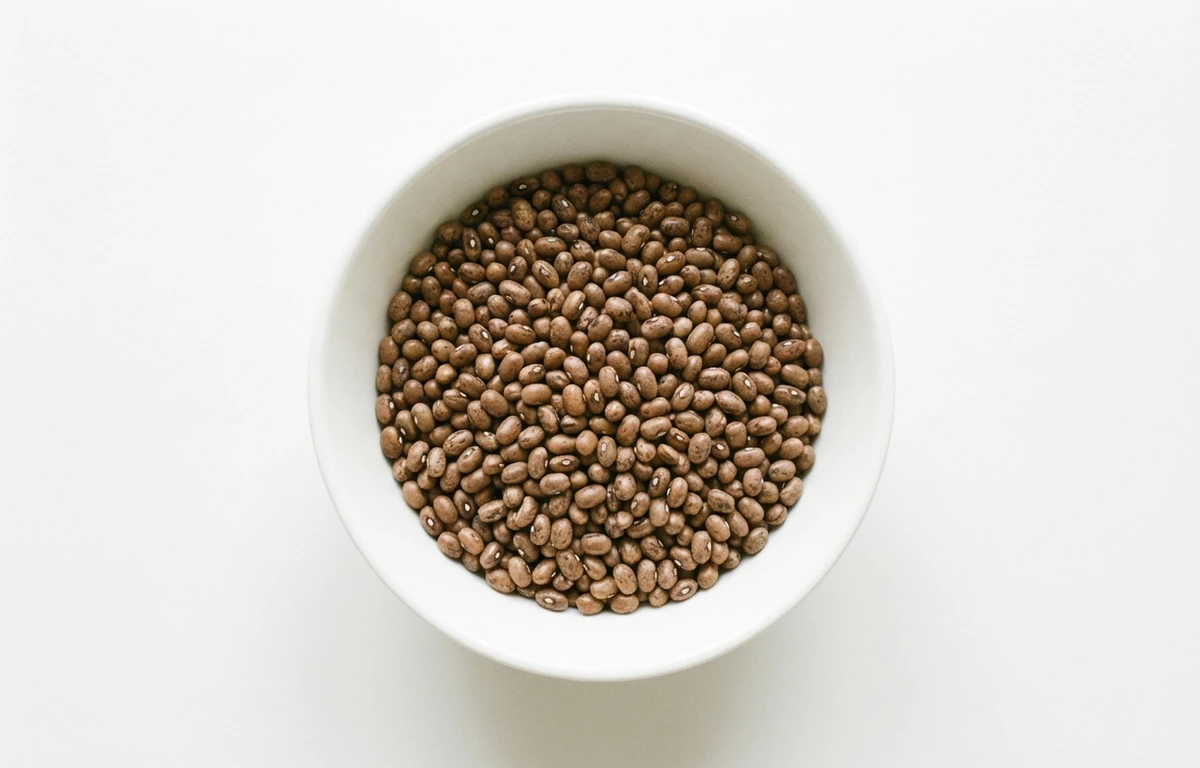
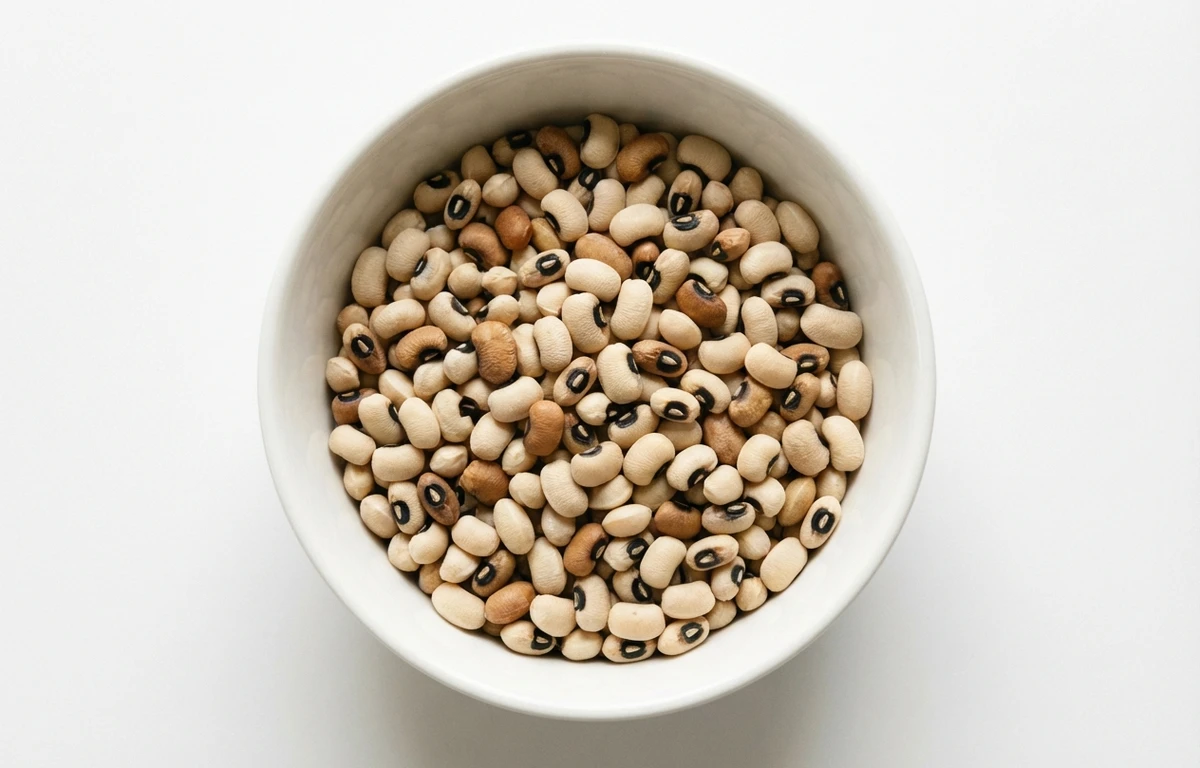
Dried Cowpeas.
VegetarianVeganGluten-freeDairy-freeNut-freePeanut-freeSoy-freeEgg-freeShellfish-freeHoney-freeAlcohol-free
SERVING
CALORIES
336
PROTEIN
23.5g
CARBS
60g
FAT
1.0g
FIBER
11.1g
NUTRITION PROFILE · per 100 g
Everything in this ingredient.
MACRONUTRIENTS
Calories336kcal—
Protein23.5g47%
Carbohydrates60g22%
Fiber11.1g40%
Sugar3.3g7%
Total fat1.0g1%
Saturated fat0.20g1%
Water9.9g—
MINERALS
Sodium16mg1%
Potassium1112mg24%
Calcium110mg8%
Iron6.1mg34%
Magnesium184mg44%
Phosphorus424mg34%
Zinc3.4mg31%
Copper0.80mg89%
Manganese1.1mg48%
Selenium8.2µg15%
VITAMINS
Vitamin A3.0µg0%
Vitamin C1.8mg2%
Vitamin E0.40mg3%
Vitamin K8.2µg7%
Thiamin (B1)0.80mg67%
Riboflavin (B2)0.20mg15%
Niacin (B3)2.0mg13%
Pantothenic acid (B5)0.80mg16%
Vitamin B60.30mg18%
Folate (B9)633µg158%
%DV based on a 2,000 cal diet. Source: USDA FoodData Central. A dash in the %DV column means there’s no established Daily Value for that nutrient.
MEASUREMENT CONVERSIONS
How much is what.
1 cup0.5g
1 tablespoon8.3g
1 teaspoon24.9g
1 oz3.5g
1 lb0.2g
1 ml124.5g
1 liter0.1g
HEALTH BENEFITS
Why eat it.
- ✓Rich in plant-based protein and fiber, aiding satiety and digestion.
- ✓Good source of essential minerals like iron, magnesium, and zinc.
- ✓High in folate (Vitamin B9), crucial for cell growth and development.
- ✓May help regulate blood sugar levels due to high fiber content.
- ✓Supports heart health by helping to lower cholesterol and blood pressure.
COOKING TIPS
In the kitchen.
- 1Soak dried cowpeas for 4-8 hours or overnight before cooking to reduce cooking time and improve digestibility.
- 2Rinse thoroughly after soaking and before cooking.
- 3Boil until tender, typically 45-60 minutes, or use a pressure cooker for faster results.
STORAGE
Keep it fresh.
- Store in an airtight container in a cool, dry, dark place.
- Keep away from direct sunlight and moisture to prevent spoilage.
- Properly stored, dried cowpeas can last for several years.
FAQ
Frequently asked questions.
Are dried cowpeas healthy?
Yes, dried cowpeas are highly nutritious, providing 23.5g of protein and significant fiber per 100g. They are rich in folate, iron, and magnesium, which support heart health, cell growth, and blood sugar regulation.
How much protein is in dried cowpeas?
Dried cowpeas contain approximately 23.5g of protein per 100g. This makes them an excellent plant-based protein source for vegetarians and vegans looking to meet their daily protein requirements.
Are dried cowpeas good for weight loss?
Yes, their high fiber and protein content promotes satiety, helping you feel full for longer periods. With only 1g of fat per 100g, they are a nutrient-dense, low-fat addition to a weight management diet.
Are dried cowpeas gluten-free?
Yes, dried cowpeas are naturally gluten-free. They are a safe and nutritious carbohydrate and protein source for individuals with celiac disease or non-celiac gluten sensitivity.
Are dried cowpeas keto-friendly?
No, dried cowpeas are not considered keto-friendly as they contain about 60g of carbohydrates per 100g. They are better suited for moderate to high-carb diets rather than strict ketogenic protocols.
Do I need to soak dried cowpeas before cooking?
While not strictly necessary, soaking cowpeas for 4-6 hours can reduce cooking time and help break down complex sugars that cause digestive discomfort. If you skip soaking, they will simply take longer to reach a tender consistency.
How long does it take to cook dried cowpeas?
On the stovetop, unsoaked cowpeas take about 60-90 minutes to soften, while soaked ones take 30-45 minutes. In a pressure cooker, they typically cook in 10-15 minutes once the cooker reaches full pressure.
What do cowpeas taste like?
Cowpeas have a mild, earthy flavor with a slightly nutty undertone and a creamy texture when fully cooked. Because their flavor is subtle, they easily absorb the seasonings and spices used in stews, soups, and curries.
How should I store dried cowpeas and how long do they last?
Store them in an airtight container in a cool, dry, and dark pantry. When kept away from moisture and heat, dried cowpeas can last for 1-2 years, though older beans may require longer cooking times to become tender.
Do cowpeas help with digestion?
Yes, the high fiber content in cowpeas supports healthy digestion by promoting regular bowel movements and preventing constipation. This fiber also acts as a prebiotic, feeding beneficial bacteria in the gut microbiome.
RECIPES
Cook with dried cowpeas.
1 recipes · sorted by what’s quick
SAME CATEGORY