Loading...

Per 100g
Nutrition data source: USDA FoodData Central
Common measurement equivalents in grams
Yes, dried dill weed is considered healthy due to its concentrated nutritional profile. It's rich in antioxidants like flavonoids and monoterpenes, which help protect cells. It also contains compounds with potential anti-inflammatory and antibacterial properties, and provides micronutrients like manganese and vitamin A.
While typically consumed in small amounts, dried dill weed is nutrient-dense. Per 100g, it contains approximately 253 calories, 19.96g protein, 55.82g carbohydrates, and 4.39g fat. It's also a good source of dietary fiber, manganese, and vitamin A.
Yes, dill weed has traditionally been used as a carminative. It may help aid digestion, reduce flatulence, and soothe an upset stomach. Its compounds are believed to relax the digestive tract and alleviate discomfort.
Yes, dried dill weed is naturally vegan as it is a plant-based herb. It is also inherently gluten-free, making it suitable for individuals following vegan or gluten-free diets.
While 100g of dried dill weed contains 55.82g of carbs, a typical serving size (e.g., a teaspoon) is very small and contributes negligible carbohydrates. Therefore, in standard culinary use, dried dill weed is considered keto-friendly and low-carb.
Dried dill weed has a distinctive fresh, slightly tangy, and subtly sweet flavor with notes of anise. It's excellent in seafood dishes, especially salmon, and pairs well with potatoes, cucumbers, yogurt-based sauces (like tzatziki), and pickles. It's also a common addition to soups, salads, and dressings.
dried dill weed is a versatile ingredient found in cuisines around the world. With 253 calories per 100g and 19.96 grams of protein, it's a nutritious addition to many dishes.
Explore more ingredients in the other category with complete nutrition information.
View all other →Discover 0 recipes featuring dried dill weed with step-by-step instructions.
Browse recipes →Dried dill weed has a more concentrated flavor than fresh dill, so you'll generally use less. A good rule of thumb is to use about one-third to one-half the amount of dried dill as you would fresh. Add dried dill earlier in the cooking process to allow its flavors to meld.
To preserve its flavor and potency, store dried dill weed in an airtight container in a cool, dark, and dry place. Keep it away from direct sunlight, heat, and moisture, which can degrade its essential oils and diminish its aroma.
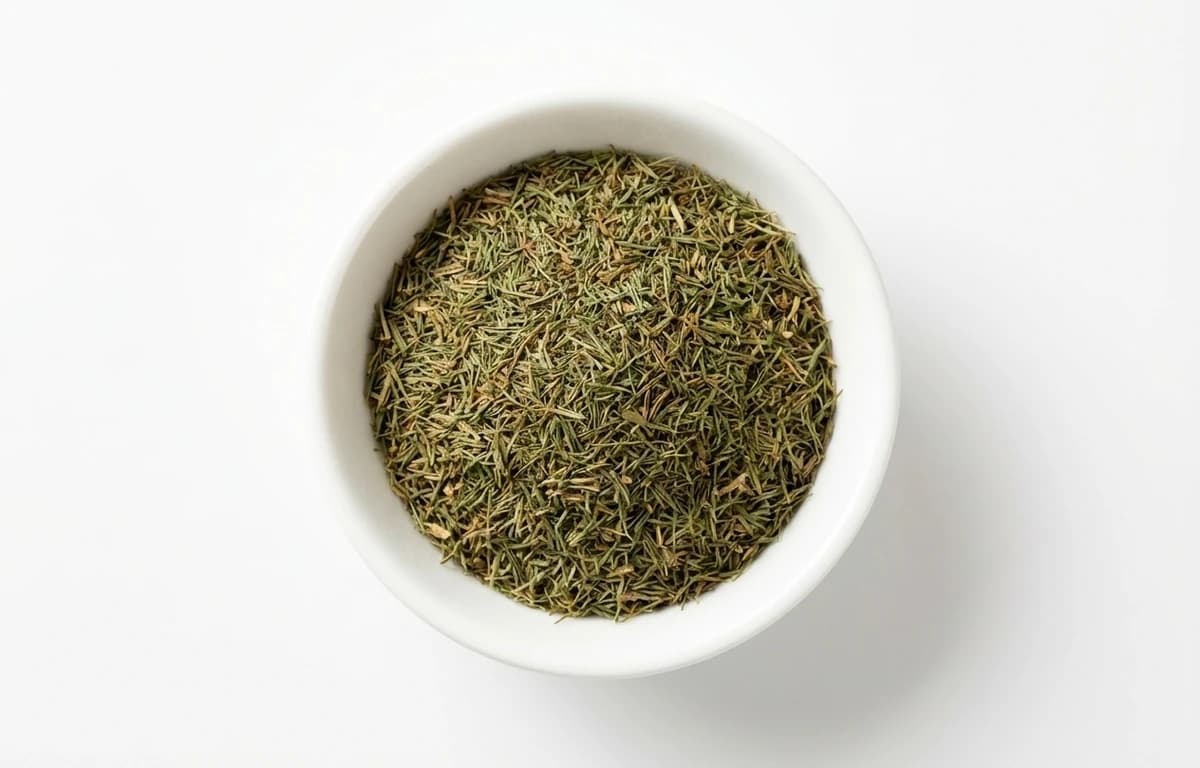
When stored properly, dried dill weed can maintain good quality for 1 to 3 years. While it won't spoil in the same way fresh food does, its flavor and aroma will gradually diminish over time. Check for a vibrant green color and strong scent to assess freshness.
For most people, consuming dried dill weed in culinary amounts is safe. However, individuals with allergies to plants in the carrot family (like celery, parsley, or caraway) might experience an allergic reaction. Pregnant women should consume dill in moderation, as very large amounts have been traditionally linked to uterine stimulation, though this is not a concern with typical food use.