
Vegetable
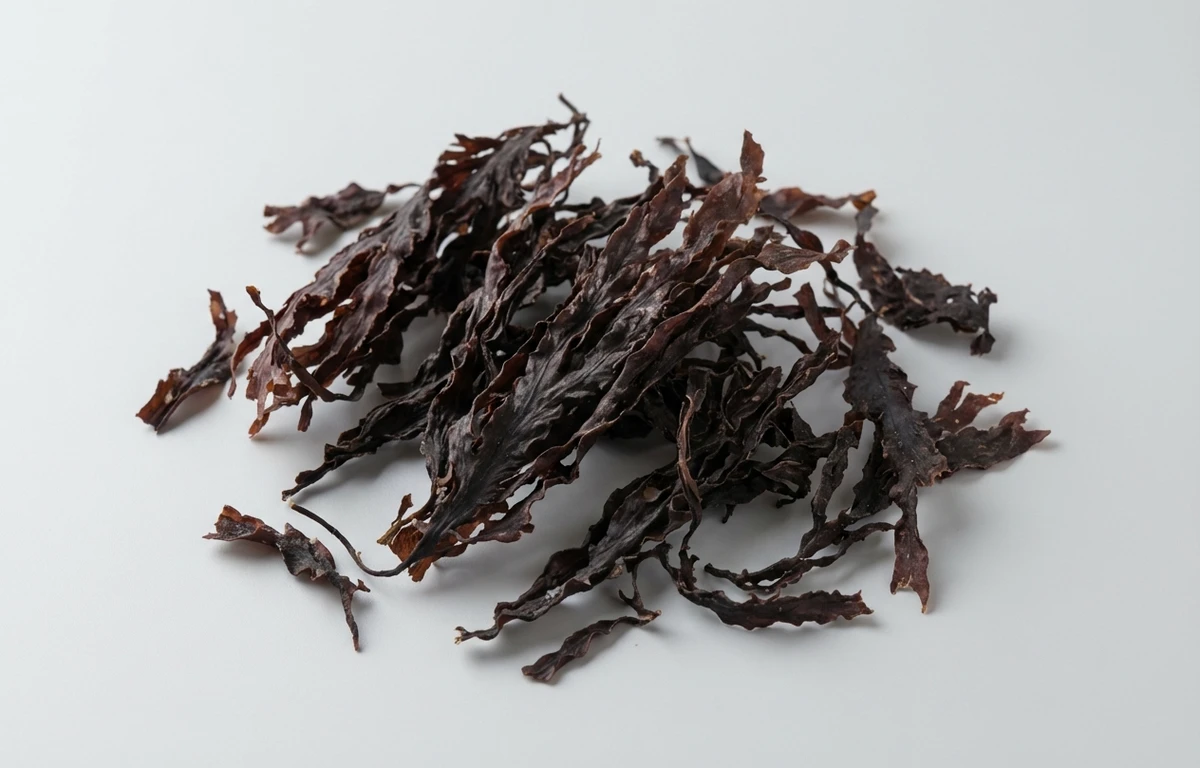
dried emi-tsunomata seaweed.
VegetarianVeganGluten-freeDairy-freeNut-freePeanut-freeSoy-freeEgg-freeShellfish-freeHoney-freeAlcohol-free
ALSO KNOWN AS
emi-tsunomata
SERVING
CALORIES
245
PROTEIN
12.5g
CARBS
55g
FAT
0.80g
FIBER
38g
This ingredient is flagged as naturally gluten-free. Per 100 g, it provides 80 µg of vitamin K.
NUTRITION PROFILE · per 100 g
Everything in this ingredient.
MACRONUTRIENTS
Calories245kcal—
Protein12.5g25%
Carbohydrates55g20%
Fiber38g136%
Sugar0.50g1%
Total fat0.80g1%
Saturated fat0.10g1%
Trans fat0g—
Cholesterol0mg0%
Water10g—
MINERALS
Sodium2800mg122%
Potassium1150mg24%
Calcium650mg50%
Iron15mg83%
Magnesium450mg107%
Phosphorus180mg14%
Zinc2.5mg23%
Copper0.40mg44%
Manganese0.60mg26%
Selenium5.0µg9%
VITAMINS
Vitamin A120µg13%
Vitamin C15mg17%
Vitamin D0µg0%
Vitamin E1.2mg8%
Vitamin K80µg67%
Thiamin (B1)0.10mg8%
Riboflavin (B2)0.40mg31%
Niacin (B3)2.5mg16%
Pantothenic acid (B5)0.50mg10%
Vitamin B60.20mg12%
Folate (B9)150µg38%
Vitamin B120µg0%
%DV based on a 2,000 cal diet. Source: USDA FoodData Central. A dash in the %DV column means there’s no established Daily Value for that nutrient.
MEASUREMENT CONVERSIONS
How much is what.
1 cup5g
1 tablespoon0.3g
1 teaspoon0.1g
1 ml0.6g
1 liter20.8g
HEALTH BENEFITS
Why eat it.
- ✓Excellent source of iodine, which is essential for healthy thyroid function and hormone regulation.
- ✓Contains a variety of vitamins and minerals, including calcium, magnesium, iron, and vitamins A, C, and K.
- ✓Provides unique polysaccharides like carrageenan, which may have prebiotic effects and support gut health.
COOKING TIPS
In the kitchen.
- 1Rehydrate in cool or lukewarm water for 5-10 minutes until it becomes soft and expands in volume. Do not oversoak, as it can become too soft.
- 2After rehydrating, it has a pleasant, slightly crunchy texture perfect for Japanese-style salads (sunomono) with a vinegar-based dressing.
- 3Add to soups, such as miso soup or clear broths, during the last few minutes of cooking to add texture and nutrients.
- 4Use as a colorful and textural garnish for noodle dishes, rice bowls, or sashimi platters.
STORAGE
Keep it fresh.
- Store in a cool, dark, and dry place, such as a pantry or cupboard, away from direct sunlight and humidity.
- Keep the dried seaweed in an airtight container or its original resealable packaging to prevent it from absorbing moisture and becoming limp.
FAQ
Frequently asked questions.
What are the main nutritional components of dried emi-tsunomata seaweed?
Per 100g, dried emi-tsunomata seaweed contains approximately 245 calories, 12.5g of protein, 55g of carbohydrates, and 0.8g of fat. Beyond macronutrients, it's packed with essential micronutrients including iodine, calcium, magnesium, iron, and vitamins A, C, and K.
Is dried emi-tsunomata seaweed a good source of iodine?
Yes, dried emi-tsunomata seaweed is an excellent source of iodine. Iodine is vital for healthy thyroid function, which regulates metabolism and hormone production. Regular consumption can help ensure adequate iodine intake, but moderation is key due to its high concentration.
Is dried emi-tsunomata seaweed vegan and gluten-free?
Yes, as a natural sea vegetable, dried emi-tsunomata seaweed is inherently vegan and vegetarian. It is also naturally gluten-free, making it a suitable ingredient for individuals following plant-based diets or those with gluten sensitivities.
Is dried emi-tsunomata seaweed suitable for a low-carb or keto diet?
No, dried emi-tsunomata seaweed is generally not suitable for strict low-carb or keto diets. With approximately 55g of carbohydrates per 100g, it contains a significant amount of carbs, which would likely exceed daily limits for these dietary approaches.
How do you prepare dried emi-tsunomata seaweed for cooking?
To prepare dried emi-tsunomata seaweed, it typically needs to be rehydrated. Soak it in cold water for about 5-10 minutes until it softens and expands. Drain thoroughly and rinse before adding it to dishes, as this also helps reduce any excess saltiness.
What does dried emi-tsunomata seaweed taste like and how can it be used?
Dried emi-tsunomata seaweed has a mild, slightly briny, and subtly sweet ocean flavor with a delicate, somewhat gelatinous texture when rehydrated. It's commonly used in salads, soups, stir-fries, or as a garnish, adding a unique umami depth and nutritional boost to various dishes.
How should dried emi-tsunomata seaweed be stored?
Dried emi-tsunomata seaweed should be stored in an airtight container in a cool, dark, and dry place, away from direct sunlight and moisture. Proper storage helps maintain its quality, flavor, and extends its shelf life.
How long does dried emi-tsunomata seaweed last?
When stored correctly in its dried form, emi-tsunomata seaweed can last for up to 1-2 years, often indicated by the "best by" date on the packaging. Once rehydrated, it should be consumed within 2-3 days and stored in the refrigerator.



















