Spice10 recipes
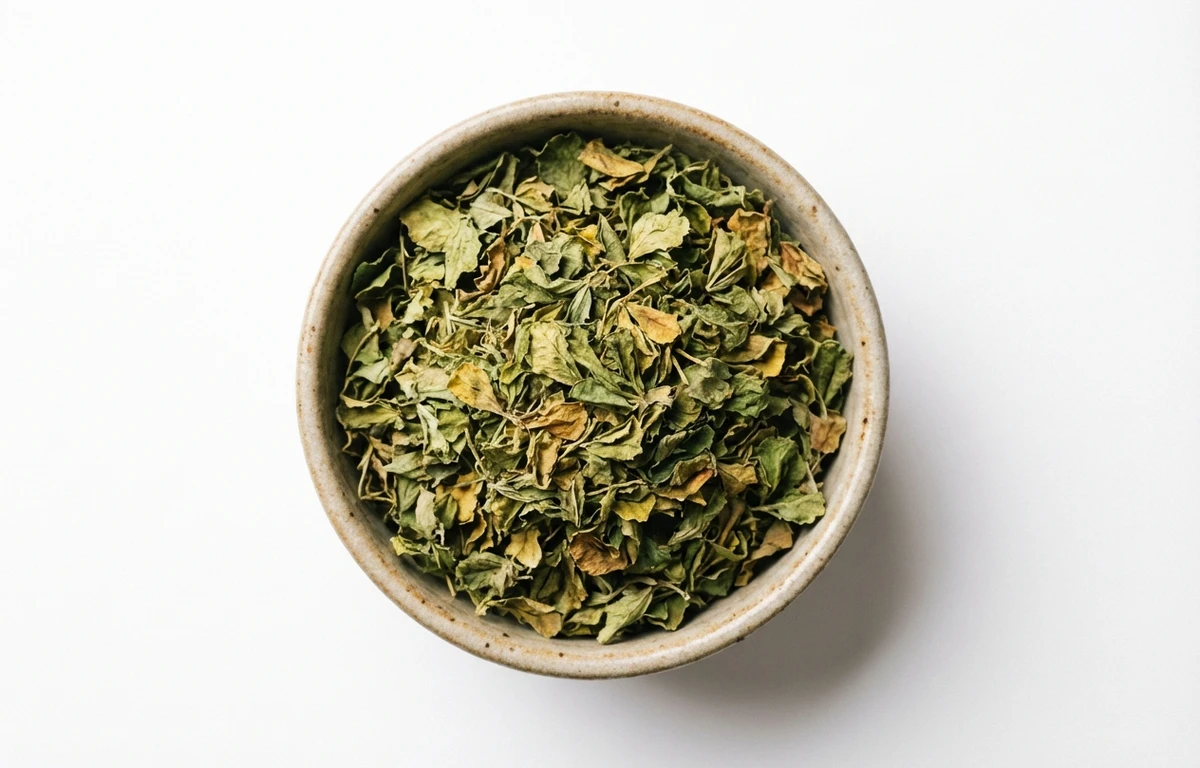
dried fenugreek leaves.
VegetarianVeganGluten-freeDairy-freeNut-freePeanut-freeSoy-freeEgg-freeShellfish-freeHoney-freeAlcohol-free
ALSO KNOWN AS
kasuri methidried fenugreekkasuri methi leaves
SERVING
CALORIES
323
PROTEIN
23g
CARBS
58g
FAT
6.0g
FIBER
25g
NUTRITION PROFILE · per 100 g
Everything in this ingredient.
MACRONUTRIENTS
Calories323kcal—
Protein23g46%
Carbohydrates58g21%
Fiber25g89%
Sugar6.0g12%
Total fat6.0g8%
Saturated fat1.0g5%
Cholesterol0mg0%
Water9.0g—
MINERALS
Sodium67mg3%
Potassium1795mg38%
Calcium1650mg127%
Iron33mg183%
Magnesium388mg92%
Phosphorus370mg30%
Zinc2.5mg23%
Copper0.60mg67%
Manganese1.9mg83%
Selenium5.7µg10%
VITAMINS
Vitamin A300µg33%
Vitamin C3.0mg3%
Vitamin D0µg0%
Vitamin E0.80mg5%
Vitamin K1669µg1391%
Thiamin (B1)0.30mg25%
Riboflavin (B2)0.40mg31%
Niacin (B3)3.9mg24%
Pantothenic acid (B5)1.4mg28%
Vitamin B60.60mg35%
Folate (B9)180µg45%
Vitamin B120µg0%
%DV based on a 2,000 cal diet. Source: USDA FoodData Central. A dash in the %DV column means there’s no established Daily Value for that nutrient.
MEASUREMENT CONVERSIONS
How much is what.
1 cup30g
1 tablespoon4g
1 teaspoon1.5g
1 ml0.3g
1 liter300g
1 piece50g
HEALTH BENEFITS
Why eat it.
- ✓Rich in dietary fiber, which can aid in digestion and promote satiety.
- ✓Contains minerals like iron, calcium, and potassium, which are important for bone health and blood pressure regulation.
- ✓Possesses antioxidant and anti-inflammatory properties due to compounds like flavonoids and saponins.
- ✓Traditionally used to help manage blood sugar levels and improve insulin function.
COOKING TIPS
In the kitchen.
- 1Crush the dried leaves (known as Kasuri Methi) between your palms before adding to a dish to release their essential oils and maximize flavor.
- 2Add towards the end of the cooking process in curries, sauces, and lentil dishes to preserve its distinct, slightly bitter, and aromatic flavor.
- 3Toast the leaves lightly in a dry pan for 30 seconds before use to enhance their nutty and earthy notes.
- 4It pairs exceptionally well with starchy vegetables like potatoes, creamy dairy-based sauces, and chicken or lentil preparations.
STORAGE
Keep it fresh.
- Store in a cool, dark, and dry place in an airtight container to protect from moisture and light, which can degrade its flavor and aroma.
- For optimal freshness, use within 6-12 months. The aroma is the best indicator of potency; if it smells faint, it's time for a new batch.
FAQ
Frequently asked questions.
Is dried fenugreek leaves (Kasuri Methi) healthy?
Yes, dried fenugreek leaves are quite healthy. They are rich in dietary fiber, which aids digestion, and contain essential minerals like iron, calcium, and potassium. They also possess antioxidant and anti-inflammatory properties, contributing to overall well-being.
What are the nutritional values of dried fenugreek leaves?
Per 100g, dried fenugreek leaves contain approximately 323 calories, 23g of protein, 58g of carbohydrates, and 6g of fat. They are also a good source of fiber and various micronutrients.
Can dried fenugreek leaves help manage blood sugar?
Traditionally, fenugreek has been used to help manage blood sugar levels. The compounds in fenugreek leaves may improve insulin function and slow down glucose absorption, making them potentially beneficial for individuals looking to support healthy blood sugar.
Are dried fenugreek leaves vegan and gluten-free?
Yes, dried fenugreek leaves are naturally vegan as they are a plant-based spice. They are also gluten-free, making them suitable for individuals following a gluten-free diet.
Are dried fenugreek leaves keto-friendly?
While dried fenugreek leaves contain a significant amount of carbohydrates (58g per 100g), they are typically used in very small quantities as a spice. In moderation, the small amount used in a dish is unlikely to significantly impact a ketogenic diet.
How do you use dried fenugreek leaves in cooking?
Dried fenugreek leaves are often crushed between the palms before adding to dishes to release their aroma and flavor. They are commonly used in Indian cuisine to flavor curries, lentil dishes (dals), vegetable preparations, and flatbreads like parathas and naans.
What do dried fenugreek leaves taste like?
Dried fenugreek leaves have a unique, slightly bitter, earthy, and pungent flavor with a hint of sweetness, often described as having notes of celery or maple syrup. When cooked, their bitterness mellows, and they impart a distinctive aromatic depth to dishes.
How should I store dried fenugreek leaves?
To maintain their flavor and aroma, dried fenugreek leaves should be stored in an airtight container. Keep them in a cool, dark, and dry place, away from direct sunlight and moisture.
How long do dried fenugreek leaves last?
When stored properly, dried fenugreek leaves can last for 1-2 years. While they don't spoil in a harmful way, their potency and flavor will gradually diminish over time, so it's best to use them within a year for optimal taste.
What is the difference between dried fenugreek leaves and fenugreek seeds?
Dried fenugreek leaves (Kasuri Methi) and fenugreek seeds come from the same plant but have distinct flavors and uses. The leaves are aromatic, slightly bitter, and used as an herb, while the seeds are much more bitter, nutty, and used as a spice, often whole or ground.
RECIPES
Cook with dried fenugreek leaves.
10 recipes · sorted by what’s quick