
Loading...
Also known as:
Per 100g
Nutrition data source: USDA FoodData Central
Common measurement equivalents in grams
Yes, Great Northern beans are highly nutritious. They are an excellent source of plant-based protein and dietary fiber, which supports heart health, aids digestion, and helps regulate blood sugar levels. They are also rich in essential minerals like iron, magnesium, and potassium.
100g of dried Great Northern beans provides approximately 21.4g of protein and a significant amount of dietary fiber. This combination makes them an ideal food for muscle repair and maintaining long-term satiety.
No, Great Northern beans are not typically considered keto-friendly. They contain about 60.7g of carbohydrates per 100g, which is too high for a standard ketogenic diet, though they are excellent for general low-fat or high-fiber diets.
Yes, Great Northern beans are naturally gluten-free and vegan. They are a staple ingredient in plant-based cooking and are safe for individuals with celiac disease or gluten sensitivities, provided they are processed in a gluten-free facility.
While not strictly mandatory, soaking beans for 8–12 hours is highly recommended. Soaking reduces the cooking time, helps break down complex sugars that cause gas, and ensures a more even, creamy texture.
Great Northern beans have a mild, delicate, and slightly nutty flavor. Their thin skins and creamy flesh allow them to absorb the flavors of the spices and broths they are cooked in, making them very versatile.
Cannellini beans (White Kidney beans) are the best substitute due to their similar creamy texture. Navy beans can also be used, though they are smaller and cook faster than Great Northern beans.
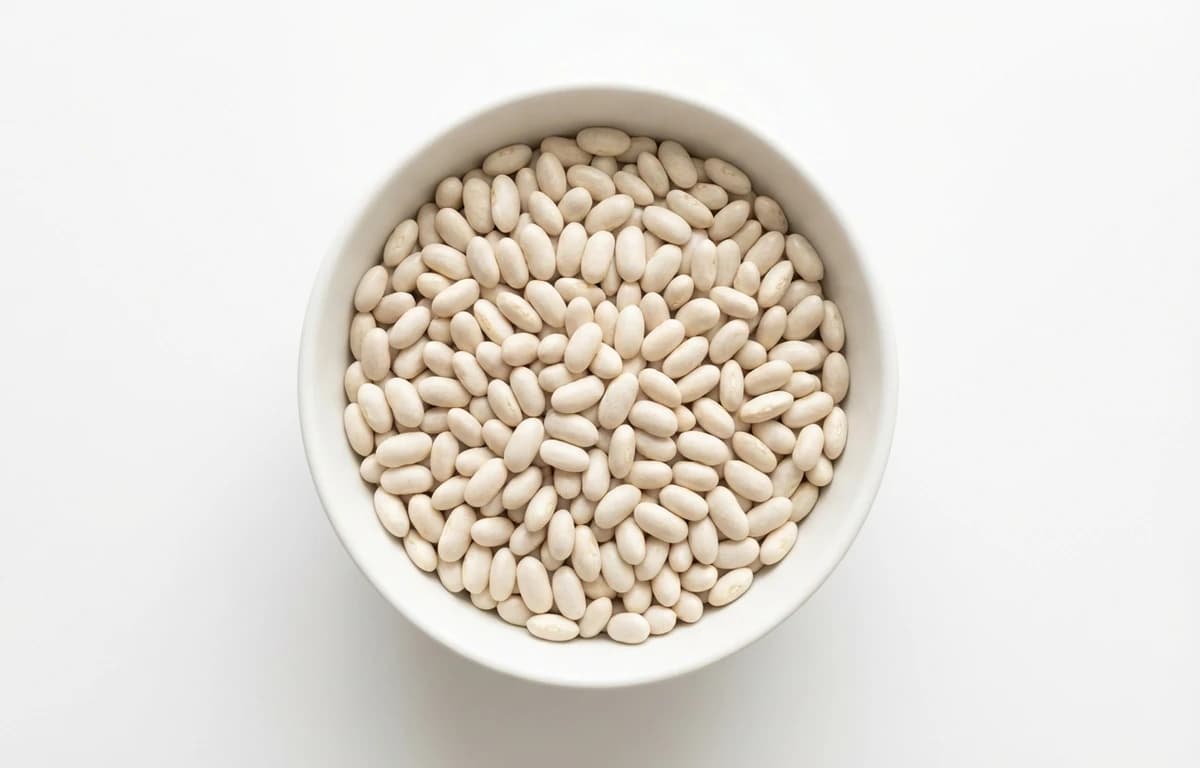
Dried Great Northern Beans is a versatile ingredient found in cuisines around the world. With 337 calories per 100g and 21.4 grams of protein, it's a nutritious addition to many dishes.
Explore more ingredients in the legume category with complete nutrition information.
View all legume →Discover 1 recipes featuring dried great northern beans with step-by-step instructions.
Browse recipes →Store dried beans in an airtight container in a cool, dry, and dark place like a pantry. When stored properly, they can last for 1–2 years, though older beans may require longer cooking times to become tender.
Check for signs of mold, an off-smell, or visible insect damage. If the beans remain hard even after a very long cooking time, they are likely too old and have lost their nutritional quality and ability to soften.
Yes, they can be very effective for weight management. Their high fiber and protein content promote a feeling of fullness, which can help reduce overall calorie intake throughout the day.