
Loading...
Per 100g
Nutrition data source: USDA FoodData Central
Common measurement equivalents in grams
Dried Hakka noodles are a good source of energy due to their high carbohydrate content and provide a decent amount of protein (12g per 100g). While they offer some fiber and B vitamins, they are best enjoyed as part of a balanced meal with plenty of vegetables and lean protein to maximize nutritional value.
A 100g serving of dried Hakka noodles contains approximately 360 calories and 72g of carbohydrates. This makes them a high-energy food source, ideal for fueling physical activity, though portion control is important for those monitoring caloric intake.
Most dried Hakka noodles are vegan as they are typically made from wheat flour, water, and salt. However, some varieties may contain egg or be processed in facilities that handle animal products, so it is important to check the ingredient label for egg-free certification.
No, traditional Hakka noodles are made from wheat flour and contain gluten. They are not suitable for individuals with celiac disease or gluten sensitivity; those on a gluten-free diet should look for alternatives made from rice or mung bean starch.
Boil the noodles in salted water until 'al dente,' then drain and immediately rinse them with cold water to remove excess starch. Tossing them with a small amount of oil after draining will keep the strands separate and prevent clumping before you add them to a stir-fry.
Dried Hakka noodles are not keto-friendly because they are very high in carbohydrates, containing about 72g per 100g. A single serving would likely exceed the daily carb limit for someone following a strict ketogenic diet.
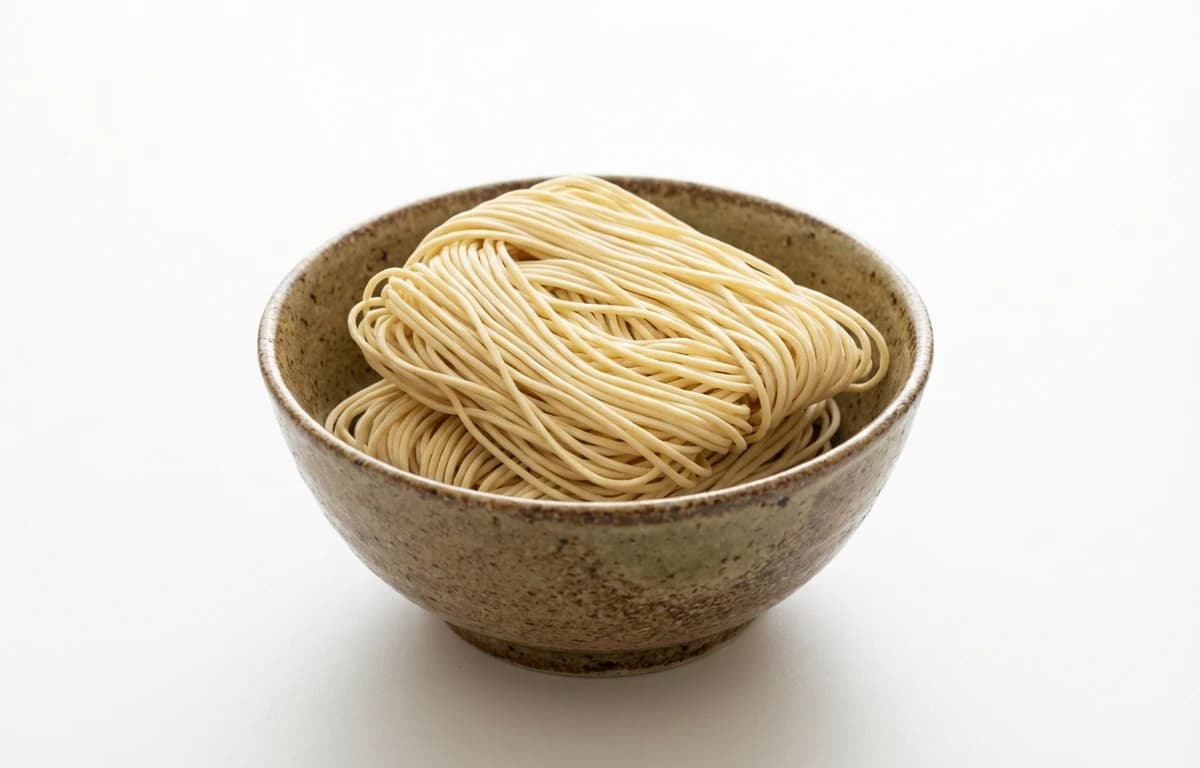
Dried Hakka Noodles is a versatile ingredient found in cuisines around the world. With 360 calories per 100g and 12 grams of protein, it's a nutritious addition to many dishes.
Explore more ingredients in the grain category with complete nutrition information.
View all grain →Discover 1 recipes featuring dried hakka noodles with step-by-step instructions.
Browse recipes →Diabetics can eat Hakka noodles in moderation, but they should be mindful of portion sizes as the high carb content can impact blood sugar levels. Pairing the noodles with high-fiber vegetables and lean proteins can help slow the absorption of sugar and prevent sharp spikes.
Unopened dried Hakka noodles should be stored in a cool, dry pantry where they can last for 12 to 24 months. Once cooked, they should be kept in an airtight container in the refrigerator and consumed within 3 to 5 days.
While both are made from wheat, Hakka noodles are specifically processed to remain firm and separate during high-heat stir-frying. They often have a different texture and are thinner than many Italian pasta shapes, allowing them to absorb the flavors of soy sauce and aromatics more effectively.
Hakka noodles can be part of a weight loss diet if consumed in controlled portions and prepared healthily. To keep calories low, avoid deep-frying the noodles and instead stir-fry them with minimal oil and a high volume of nutrient-dense vegetables.