
Fruit
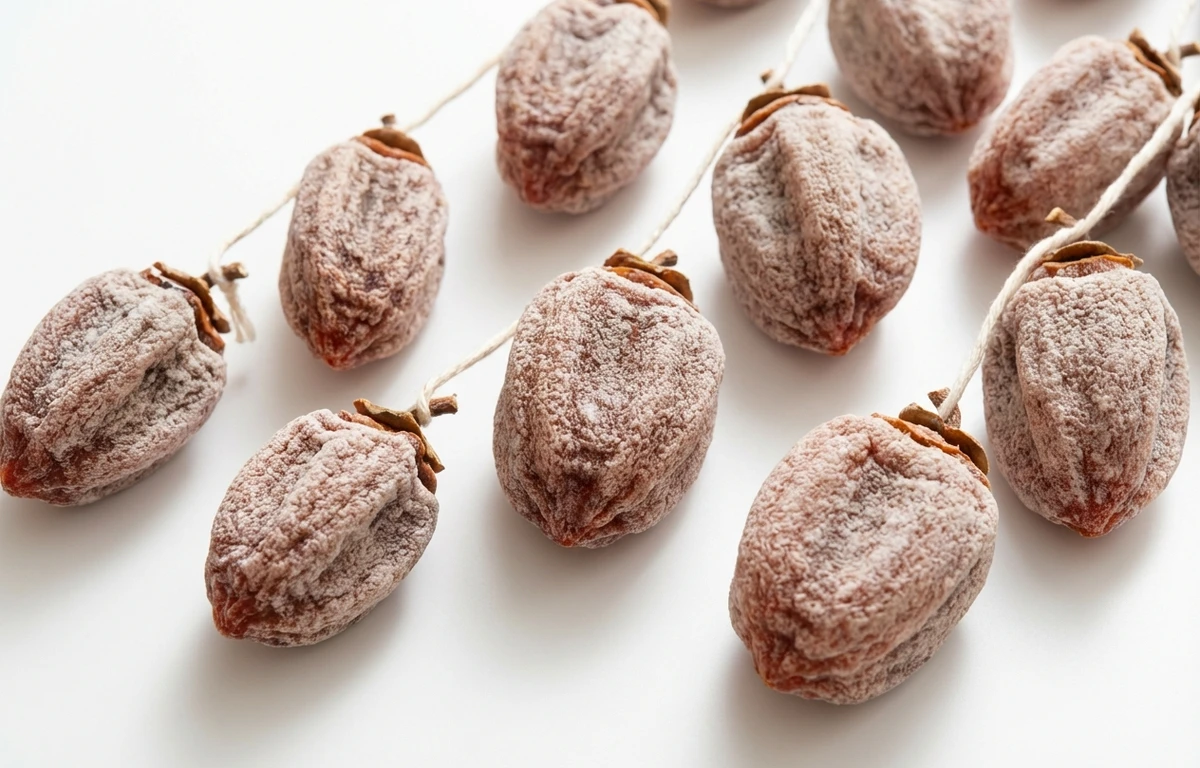
dried japanese persimmon.
VegetarianVeganGluten-freeDairy-freeNut-freePeanut-freeSoy-freeEgg-freeShellfish-freeHoney-freeAlcohol-free
SERVING
CALORIES
274
PROTEIN
1.9g
CARBS
73.4g
FAT
0.60g
FIBER
14.5g
NUTRITION PROFILE · per 100 g
Everything in this ingredient.
MACRONUTRIENTS
Calories274kcal—
Protein1.9g4%
Carbohydrates73.4g27%
Fiber14.5g52%
Sugar62g124%
Total fat0.60g1%
Saturated fat0.10g1%
Trans fat0g—
Cholesterol0mg0%
Water23g—
MINERALS
Sodium2.0mg0%
Potassium802mg17%
Calcium28mg2%
Iron1.0mg6%
Magnesium35mg8%
Phosphorus42mg3%
Zinc0.20mg2%
Copper0.30mg33%
Manganese0.80mg35%
Selenium0.80µg1%
VITAMINS
Vitamin A45µg5%
Vitamin C2.0mg2%
Vitamin D0µg0%
Vitamin E0.90mg6%
Vitamin K12µg10%
Thiamin (B1)0.02mg2%
Riboflavin (B2)0.05mg4%
Niacin (B3)0.50mg3%
Pantothenic acid (B5)0.30mg6%
Vitamin B60.10mg6%
Folate (B9)8.0µg2%
Vitamin B120µg0%
%DV based on a 2,000 cal diet. Source: USDA FoodData Central. A dash in the %DV column means there’s no established Daily Value for that nutrient.
MEASUREMENT CONVERSIONS
How much is what.
1 cup175g
1 tablespoon11.1g
1 teaspoon3.7g
1 oz28.4g
1 lb453.6g
1 ml0.7g
1 liter740g
1 piece50g
HEALTH BENEFITS
Why eat it.
- ✓Concentrated source of dietary fiber, aiding digestion and promoting satiety.
- ✓Rich in antioxidants like flavonoids and carotenoids, which help combat oxidative stress.
- ✓Excellent source of Vitamin A, essential for vision health and immune function.
- ✓Provides important minerals like potassium and manganese, supporting heart health and metabolic function.
COOKING TIPS
In the kitchen.
- 1Slice thinly and add to cheese platters; they pair wonderfully with both soft and hard cheeses.
- 2Chop and incorporate into baked goods like scones, breads, or cookies for natural sweetness and a chewy texture.
- 3Rehydrate by soaking in warm water or liquor for 20-30 minutes to soften for use in stuffings, compotes, or savory sauces.
- 4Enjoy as a standalone energy-boosting snack. The white powdery bloom on the surface is natural crystallized sugar, not mold, and indicates sweetness.
STORAGE
Keep it fresh.
- Store in an airtight container in a cool, dark, and dry place like a pantry for up to 6 months.
- For long-term storage (up to a year), place in a freezer-safe bag and store in the freezer to maintain texture and prevent drying out.
FAQ
Frequently asked questions.
Is dried Japanese persimmon healthy?
Yes, dried Japanese persimmon is a concentrated source of dietary fiber, antioxidants like flavonoids and carotenoids, and essential vitamins and minerals such as Vitamin A, potassium, and manganese. These nutrients support digestion, combat oxidative stress, and benefit vision and heart health. However, it is calorie-dense due to its concentrated natural sugars.
What are the nutritional values of dried Japanese persimmon?
Per 100g, dried Japanese persimmon contains approximately 274 calories, 1.9g protein, 73.4g carbohydrates, and 0.6g fat. It is particularly high in natural sugars and dietary fiber, which become more concentrated during the drying process.
Is dried Japanese persimmon good for weight loss?
While high in calories and natural sugars, its significant dietary fiber content can promote satiety, potentially helping to reduce overall food intake. However, due to its calorie density, portion control is crucial for effective weight management.
Is dried Japanese persimmon vegan and gluten-free?
Yes, dried Japanese persimmon is naturally vegan as it is a fruit product with no animal-derived ingredients. It is also naturally gluten-free, making it suitable for individuals following a vegan diet or those with celiac disease or gluten sensitivity.
Can diabetics eat dried Japanese persimmon?
Dried Japanese persimmon is high in natural sugars, which can significantly impact blood glucose levels. While its fiber content can help moderate sugar absorption, diabetics should consume it in very small, controlled portions and monitor their blood sugar, or consult a healthcare professional.
How can I use dried Japanese persimmon in cooking?
Dried Japanese persimmon can be enjoyed as a standalone snack, added to trail mixes, oatmeal, or yogurt. It also works well in baked goods like muffins or bread, and can be chopped and incorporated into salads, cheese boards, or savory dishes for a sweet counterpoint.
What does dried Japanese persimmon taste like?
It has a rich, intensely sweet, and slightly honey-like flavor with notes of caramel and sometimes a hint of spice. The texture is typically chewy and dense, often with a soft, jelly-like interior.
How should I store dried Japanese persimmon?
Store dried Japanese persimmons in an airtight container in a cool, dark place, such as a pantry, where they can last for several months. For extended freshness, they can be refrigerated for up to a year or frozen for even longer periods.
How do I know if dried Japanese persimmon is fresh or spoiled?
Fresh dried persimmons should be pliable, have a uniform color, and a sweet aroma. Signs of spoilage include a hard or brittle texture, visible mold growth (distinct from the natural white sugar bloom), an off-odor, or significant discoloration.
What is the white powder on dried Japanese persimmons?
The white powder often seen on dried Japanese persimmons is a natural phenomenon called 'sugar bloom' or 'persimmon powder.' It consists of crystallized fructose and glucose that migrates to the surface as the fruit dries and ages, indicating a well-dried and sweet persimmon, not mold.



















