spice3 recipes
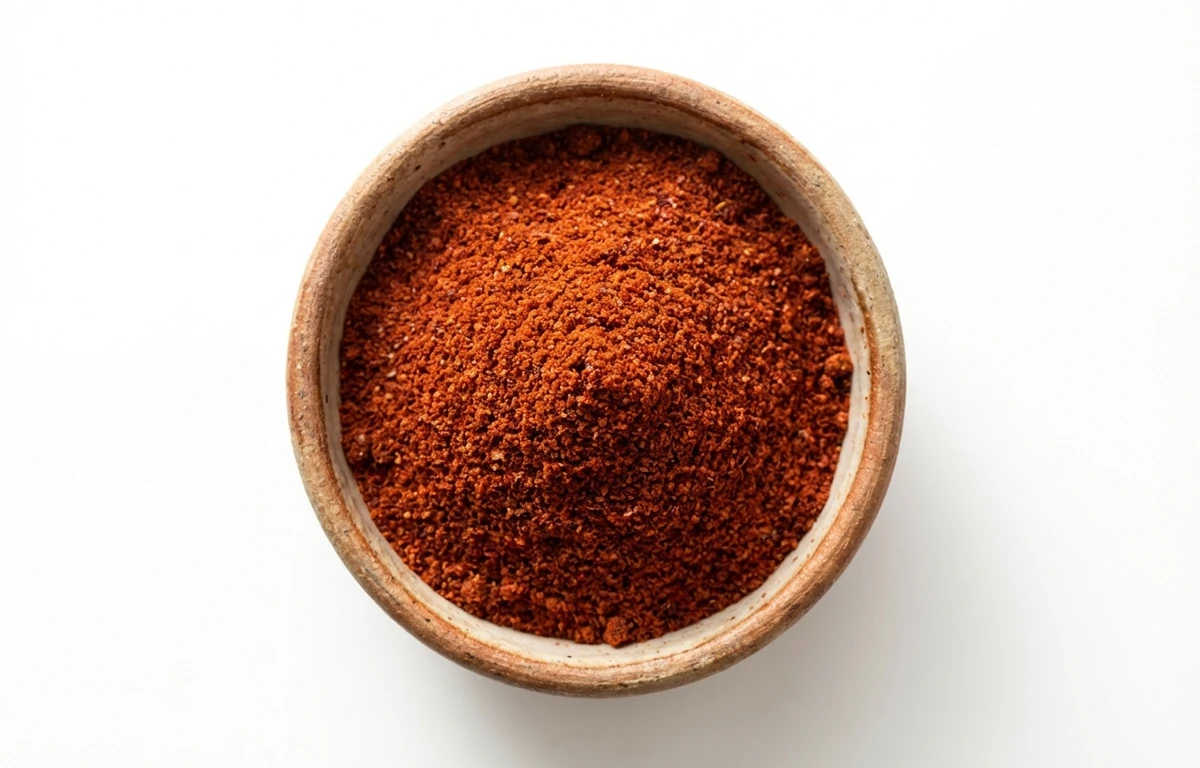
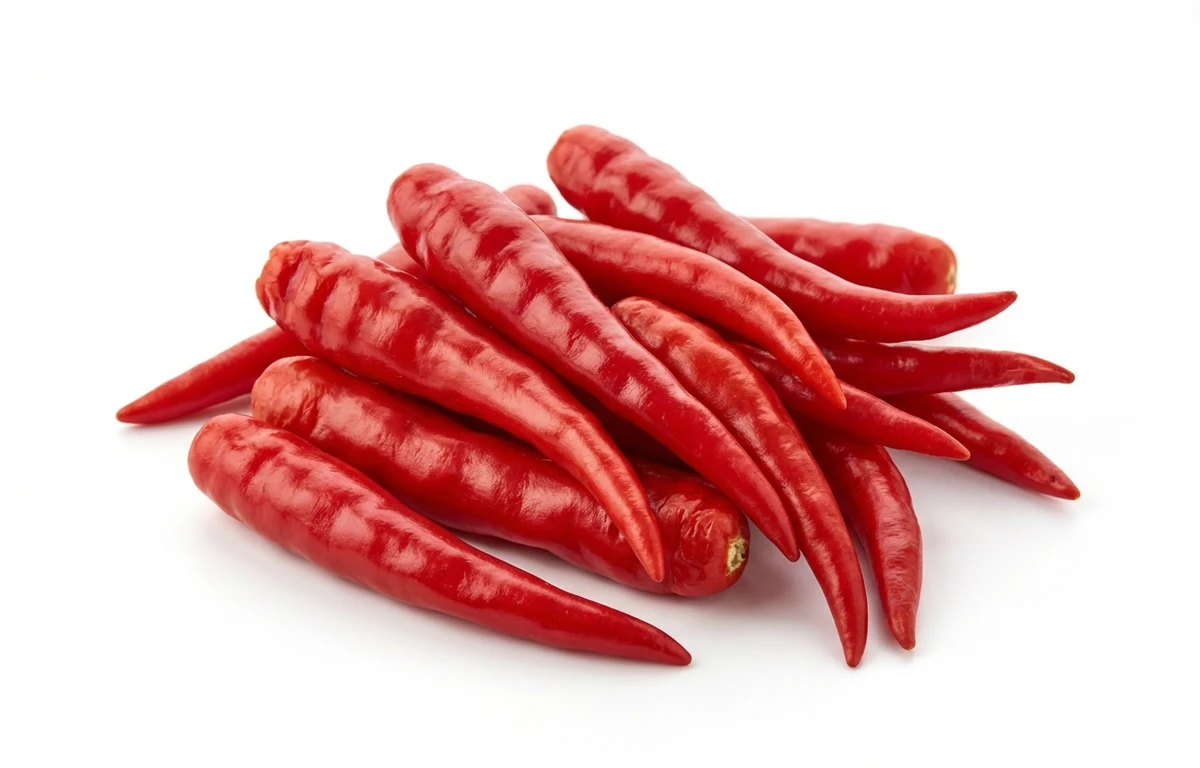
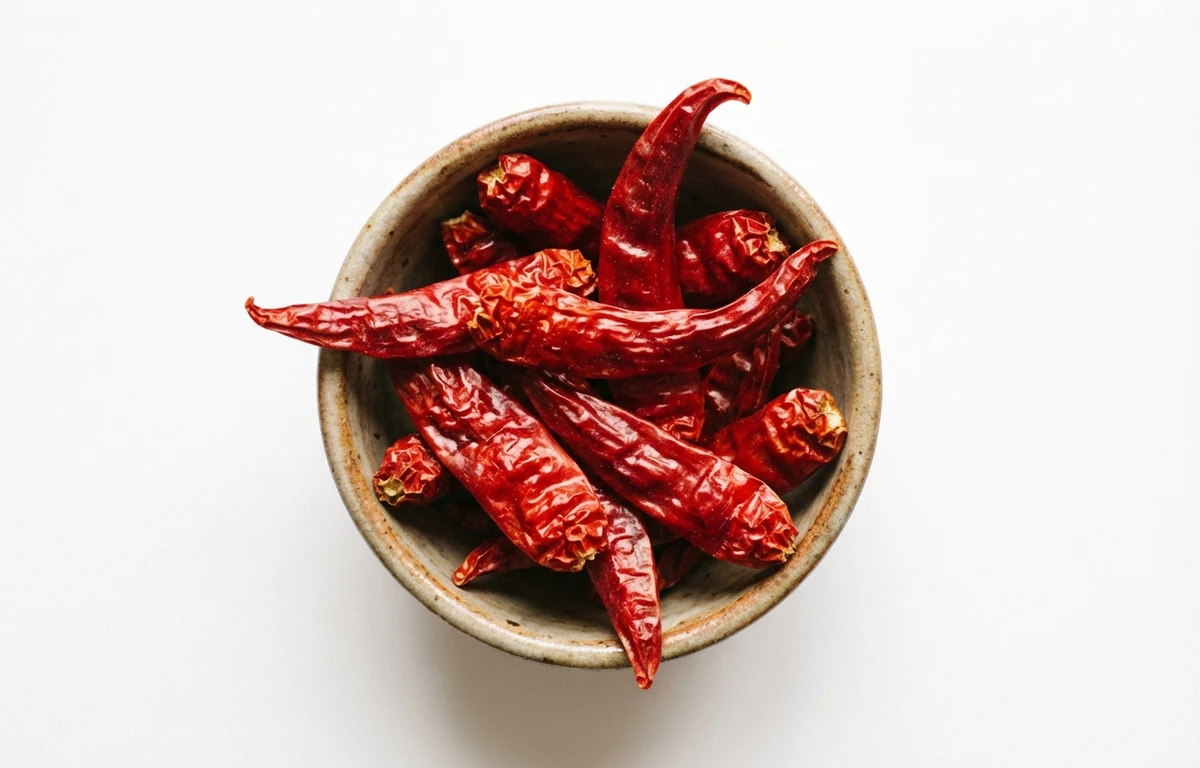
Dried Kashmiri Red Chilli.
VegetarianVeganGluten-freeDairy-freeNut-freePeanut-freeSoy-freeEgg-freeShellfish-freeHoney-freeAlcohol-free
ALSO KNOWN AS
dried kashmiri red chilikashmiri chilikashmiri mirchkashmiri mirchi
SERVING
CALORIES
430
PROTEIN
12g
CARBS
56.6g
FAT
17.3g
FIBER
27.2g
NUTRITION PROFILE · per 100 g
Everything in this ingredient.
MACRONUTRIENTS
Calories430kcal—
Protein12g24%
Carbohydrates56.6g21%
Fiber27.2g97%
Sugar10.3g21%
Total fat17.3g22%
Saturated fat3.2g16%
Cholesterol0mg0%
Water8.0g—
MINERALS
Sodium30mg1%
Potassium1800mg38%
Calcium150mg12%
Iron7.8mg43%
Magnesium150mg36%
Phosphorus300mg24%
Zinc2.5mg23%
Copper0.40mg44%
Manganese1.5mg65%
Selenium10µg18%
VITAMINS
Vitamin A1000µg111%
Vitamin C70mg78%
Vitamin E30mg200%
Vitamin K80µg67%
Thiamin (B1)0.30mg25%
Riboflavin (B2)0.50mg38%
Niacin (B3)10mg63%
Pantothenic acid (B5)2.0mg40%
Vitamin B62.5mg147%
Folate (B9)100µg25%
%DV based on a 2,000 cal diet. Source: USDA FoodData Central. A dash in the %DV column means there’s no established Daily Value for that nutrient.
MEASUREMENT CONVERSIONS
How much is what.
1 cup1g
1 tablespoon13.3g
1 teaspoon40g
1 oz3.5g
1 lb0.2g
1 ml200g
1 liter0.2g
1 piece66g
HEALTH BENEFITS
Why eat it.
- ✓Rich in antioxidants, particularly Vitamin A (beta-carotene).
- ✓Contains capsaicin, which may help with pain relief and metabolism.
- ✓May support digestive health.
- ✓Contributes to a healthy immune system due to Vitamin C content.
- ✓Adds vibrant color and mild heat to dishes.
COOKING TIPS
In the kitchen.
- 1Soak whole dried chilies in hot water for 20-30 minutes before grinding to rehydrate them and make them easier to process into a paste.
- 2Temper whole dried chilies in hot oil briefly to infuse the oil with their flavor and color before adding other ingredients.
- 3Use primarily for their vibrant red color and mild, fruity heat, making them ideal for curries, gravies, and tandoori dishes.
STORAGE
Keep it fresh.
- Store in an airtight container in a cool, dark, and dry place.
- Keep away from direct sunlight and moisture to preserve color and flavor.
- Can be stored for up to a year or more if kept properly.
FAQ
Frequently asked questions.
Is Kashmiri red chilli healthy?
Yes, Kashmiri red chillies are healthy as they are rich in antioxidants, particularly Vitamin A (beta-carotene) and Vitamin C. They contain capsaicin, which can help with pain relief and metabolism, and they provide these benefits with very little heat compared to other varieties.
How many calories and protein are in Kashmiri red chilli?
Per 100g, dried Kashmiri red chillies contain 318 calories and 12g of protein. However, since they are used in very small quantities as a spice, their actual caloric contribution to a meal is negligible.
Is Kashmiri red chilli good for weight loss?
It can support weight loss because it contains capsaicin, a compound known to slightly boost metabolism and promote fat oxidation. Its ability to add deep flavor and color without high calories makes it an excellent seasoning for diet-friendly meals.
Is Kashmiri red chilli vegan and gluten-free?
Yes, whole dried Kashmiri red chillies are naturally vegan and gluten-free. If you are using the powdered version, ensure it is 100% pure and does not contain any anti-caking agents or fillers that might contain gluten.
Is Kashmiri red chilli keto-friendly?
Yes, it is keto-friendly. While it has 56.6g of carbs per 100g, the amount used in a typical serving is so small (usually 1-2 grams) that the net carb impact is nearly zero.
How spicy is Kashmiri red chilli compared to other chillies?
Kashmiri red chillies are considered mild. They are prized more for their ability to impart a vibrant, deep red color to dishes rather than intense heat, making them much milder than Bird's Eye or standard cayenne peppers.
How do you prepare dried Kashmiri chillies for cooking?
You can add them whole to hot oil for tempering, or soak them in warm water for 15-20 minutes and grind them into a paste. Removing the seeds before soaking will result in a vibrant red paste with almost no heat.
What can I substitute for Kashmiri red chilli?
The best substitute is a combination of three parts paprika (for color) and one part cayenne pepper (for mild heat). Byadgi chillies are also a great alternative as they provide a similar deep red hue and low spice level.
How should I store dried Kashmiri chillies?
Store them in an airtight container in a cool, dark, and dry place to prevent them from losing their color and flavor. They can last for up to a year if kept away from moisture and direct sunlight.
How do I know if dried Kashmiri chillies have gone bad?
Check for signs of mold, a dull or brownish color, or a lack of aroma. If the chillies have lost their characteristic bright red color or smell musty, they have likely lost their potency and should be replaced.
RECIPES
Cook with dried kashmiri red chilli.
3 recipes · sorted by what’s quick