
Other3 recipes
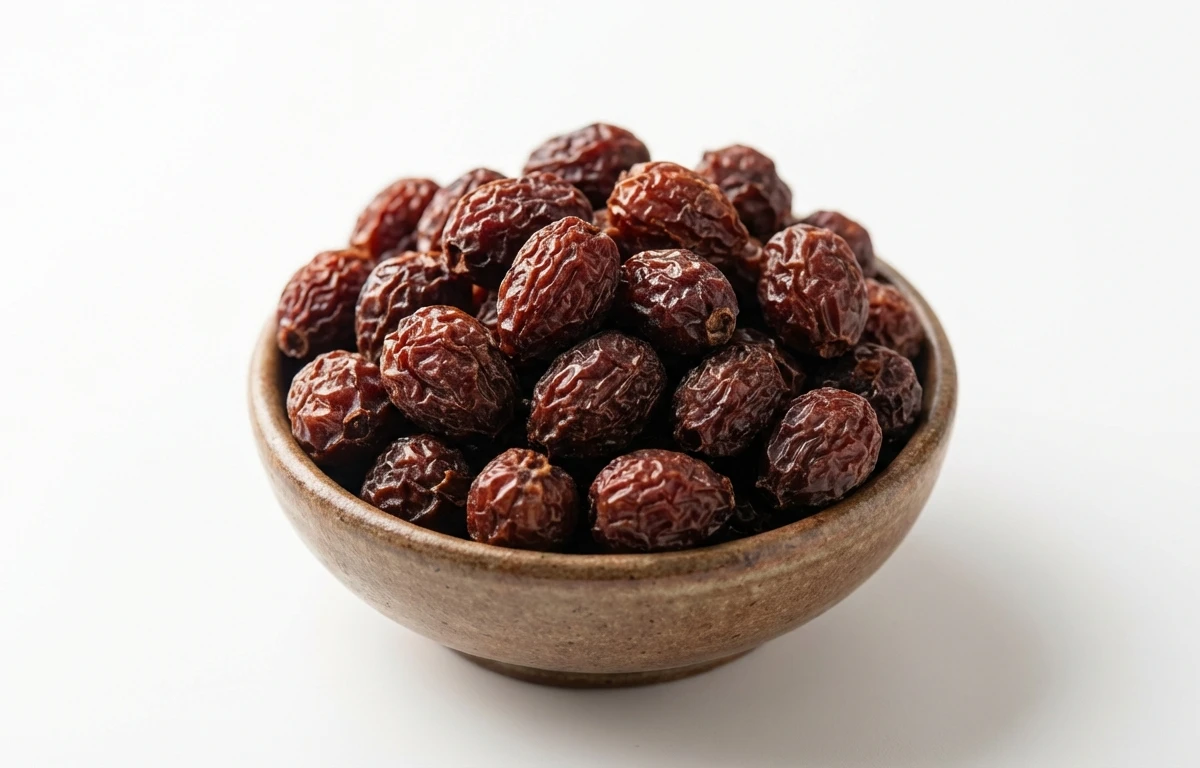
dried ker berries.
VegetarianVeganGluten-freeDairy-freeNut-freePeanut-freeSoy-freeEgg-freeShellfish-freeHoney-freeAlcohol-free
ALSO KNOWN AS
dried kerkerdakair
SERVING
CALORIES
300
PROTEIN
8.0g
CARBS
60g
FAT
3.0g
FIBER
20g
This ingredient is flagged as naturally gluten-free.
NUTRITION PROFILE · per 100 g
Everything in this ingredient.
MACRONUTRIENTS
Calories300kcal—
Protein8.0g16%
Carbohydrates60g22%
Fiber20g71%
Sugar35g70%
Total fat3.0g4%
Saturated fat0.50g3%
Cholesterol0mg0%
Water12g—
MINERALS
Sodium60mg3%
Potassium2500mg53%
Calcium350mg27%
Iron15mg83%
Magnesium220mg52%
Phosphorus300mg24%
Zinc6.0mg55%
Copper1.5mg167%
Manganese3.0mg130%
VITAMINS
Vitamin A0µg0%
Vitamin C5.0mg6%
Vitamin D0µg0%
Thiamin (B1)0.15mg13%
Riboflavin (B2)0.25mg19%
Niacin (B3)1.8mg11%
Vitamin B60.10mg6%
%DV based on a 2,000 cal diet. Source: USDA FoodData Central. A dash in the %DV column means there’s no established Daily Value for that nutrient.
MEASUREMENT CONVERSIONS
How much is what.
1 cup140g
1 tablespoon8.8g
1 teaspoon2.9g
1 ml0.6g
1 liter583.3g
HEALTH BENEFITS
Why eat it.
- ✓A good source of dietary fiber, which aids in digestion and promotes gut health.
COOKING TIPS
In the kitchen.
- 1Must be rehydrated before use. Soak them in water for at least 6-8 hours, changing the water multiple times to reduce their inherent bitterness.
- 2For a more tender texture and to mellow their tangy flavor, soak the berries in buttermilk (chaas) instead of water.
- 3A key ingredient in the Rajasthani dish 'Ker Sangri', where they are cooked with other local ingredients and spices.
- 4Their unique tangy and peppery flavor makes them an excellent addition to pickles, chutneys, and vegetable curries.
STORAGE
Keep it fresh.
- Store in an airtight container in a cool, dark, and dry place like a pantry to prevent moisture absorption.
- When stored properly, dried ker berries can maintain their quality for up to one year.
FAQ
Frequently asked questions.
What are the nutritional values of dried ker berries?
Per 100g, dried ker berries contain approximately 300 calories, 8g of protein, 60g of carbohydrates, and 3g of fat. They also provide a good amount of dietary fiber, contributing to their overall health benefits.
Are dried ker berries vegan and gluten-free?
Yes, dried ker berries are naturally vegan as they are a plant-based product. They are also inherently gluten-free, making them suitable for individuals following vegan or gluten-free diets without concern for animal products or gluten contamination.
How do you prepare and cook dried ker berries?
Dried ker berries typically need to be rehydrated before use. Soak them in warm water for 30-60 minutes, or until softened. Once rehydrated, they can be used in curries, stir-fries, pickles, or added to rice dishes and stews for a unique flavor.
What do dried ker berries taste like?
Dried ker berries have a unique, slightly tart and tangy flavor with earthy undertones. When cooked, they develop a more savory and somewhat fruity taste, often described as a blend between capers and sun-dried tomatoes, with a slightly chewy texture.
How long do dried ker berries last?
When stored properly in an airtight container in a cool, dry place, dried ker berries can last for up to 1-2 years. Always check for any signs of mold, off-smell, or discoloration before consumption to ensure they are still good.
Can dried ker berries be eaten raw?
While technically edible raw, dried ker berries are very hard and intensely flavored, making them unpalatable. It is highly recommended to rehydrate and cook them to soften their texture and enhance their flavor for consumption.
RECIPES
Cook with dried ker berries.
3 recipes · sorted by what’s quick



















