
Vegetable
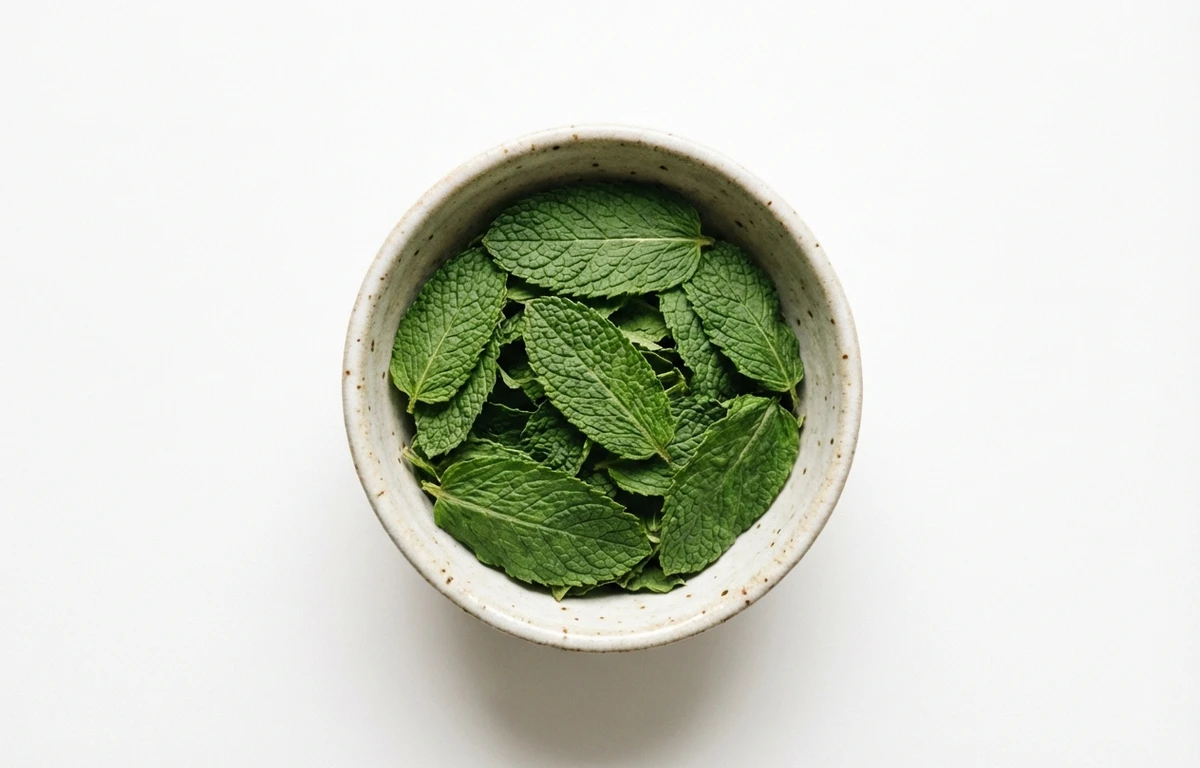
dried mint leaves.
VegetarianVeganGluten-freeDairy-freeNut-freePeanut-freeSoy-freeEgg-freeShellfish-freeHoney-freeAlcohol-free
ALSO KNOWN AS
dried pudinadried garden mint
SERVING
CALORIES
285
PROTEIN
19.9g
CARBS
52.2g
FAT
6.0g
FIBER
29.8g
This ingredient is flagged as naturally gluten-free. Per 100 g, it provides 1714 µg of vitamin K.
NUTRITION PROFILE · per 100 g
Everything in this ingredient.
MACRONUTRIENTS
Calories285kcal—
Protein19.9g40%
Carbohydrates52.2g19%
Fiber29.8g106%
Sugar0g0%
Total fat6.0g8%
Saturated fat1.6g8%
Trans fat0g—
Cholesterol0mg0%
Water11.3g—
MINERALS
Sodium35mg2%
Potassium1924mg41%
Calcium1488mg114%
Iron87.5mg486%
Magnesium602mg143%
Phosphorus276mg22%
Zinc2.4mg22%
Copper0.90mg100%
Manganese11.5mg500%
Selenium3.5µg6%
VITAMINS
Vitamin A529µg59%
Vitamin C0mg0%
Vitamin D0µg0%
Vitamin E0mg0%
Vitamin K1714µg1428%
Thiamin (B1)0.30mg25%
Riboflavin (B2)1.4mg108%
Niacin (B3)6.6mg41%
Pantothenic acid (B5)0.30mg6%
Vitamin B62.6mg153%
Folate (B9)530µg133%
Vitamin B120µg0%
%DV based on a 2,000 cal diet. Source: USDA FoodData Central. A dash in the %DV column means there’s no established Daily Value for that nutrient.
MEASUREMENT CONVERSIONS
How much is what.
1 cup28g
1 tablespoon1.8g
1 teaspoon0.6g
1 oz28.4g
1 lb453.6g
1 ml0.1g
1 liter120g
HEALTH BENEFITS
Why eat it.
- ✓Aids digestion and helps soothe upset stomachs
- ✓Extremely high in iron, supporting healthy blood levels
- ✓May help improve focus and reduce mental fatigue
COOKING TIPS
In the kitchen.
- 1Rub the leaves between your palms before adding to release trapped oils
- 2Add toward the end of cooking to maintain the delicate aroma
- 3Use a 1:3 ratio when substituting dried mint for fresh (1 tsp dried = 1 tbsp fresh)
STORAGE
Keep it fresh.
- Store in an airtight glass container to preserve essential oils
- Keep in a cool, dark, and dry place away from direct sunlight
- Avoid storing near the stove as heat degrades the flavor quickly
FAQ
Frequently asked questions.
How long do dried mint leaves last?
When stored in an airtight container in a cool, dark place, they maintain peak flavor for 1 to 2 years.
How can I tell if dried mint has gone bad?
If the leaves have lost their characteristic aroma or appear grey/faded, they have lost their potency and should be replaced.
What is the best substitute for dried mint?
Fresh mint is the best substitute (use 3 times the amount). Alternatively, dried basil or marjoram can work in some savory dishes.
Can I use dried mint to make tea?
Yes, dried mint makes excellent herbal tea. Use about 1 teaspoon per cup of boiling water and steep for 5-7 minutes.
Is dried mint as healthy as fresh mint?
Dried mint is more concentrated in minerals like iron and calcium, though it loses most of its Vitamin C during the drying process.
How do I clean dried mint leaves?
Dried herbs do not need cleaning. If you suspect dust, it is better to discard them as washing will ruin the texture and flavor.
What dishes pair well with dried mint?
It pairs perfectly with yogurt-based dips (like raita or tzatziki), roasted lamb, lentil soups, and Mediterranean salads.
Can I freeze dried mint leaves?
Freezing is not necessary for dried herbs and can introduce moisture which leads to mold. Stick to room temperature airtight storage.



















