legume1 recipes
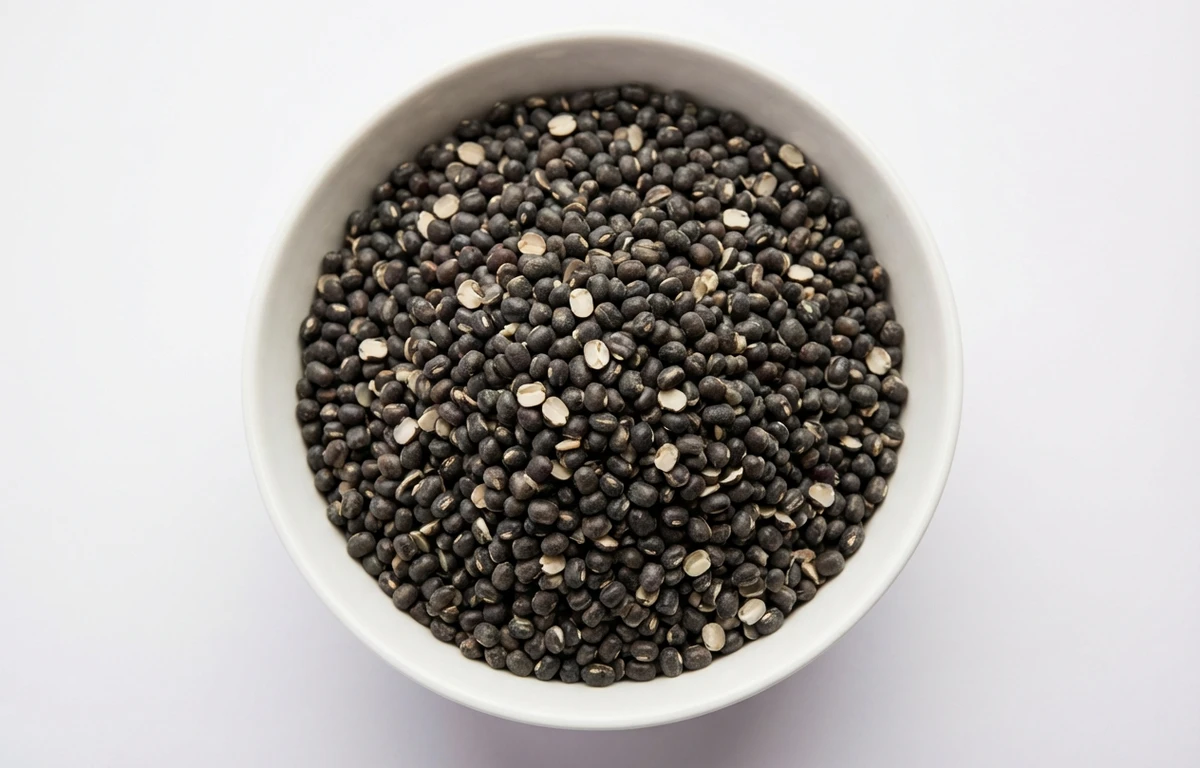
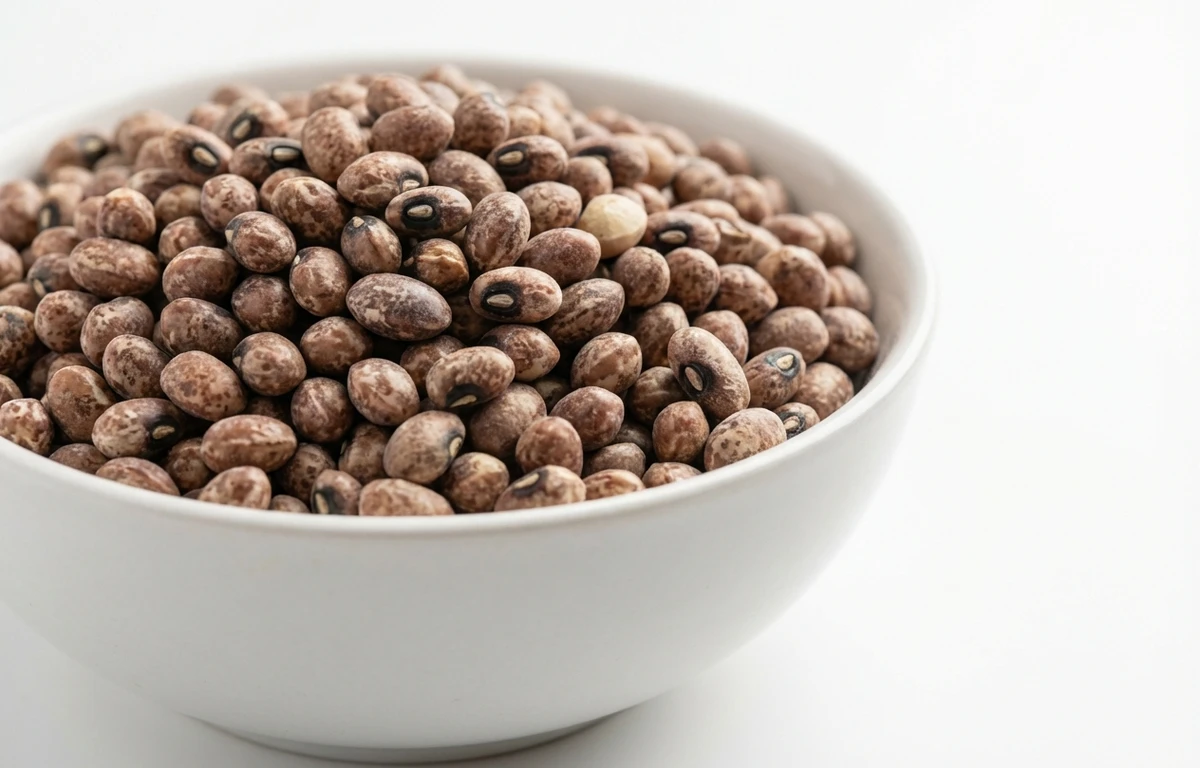
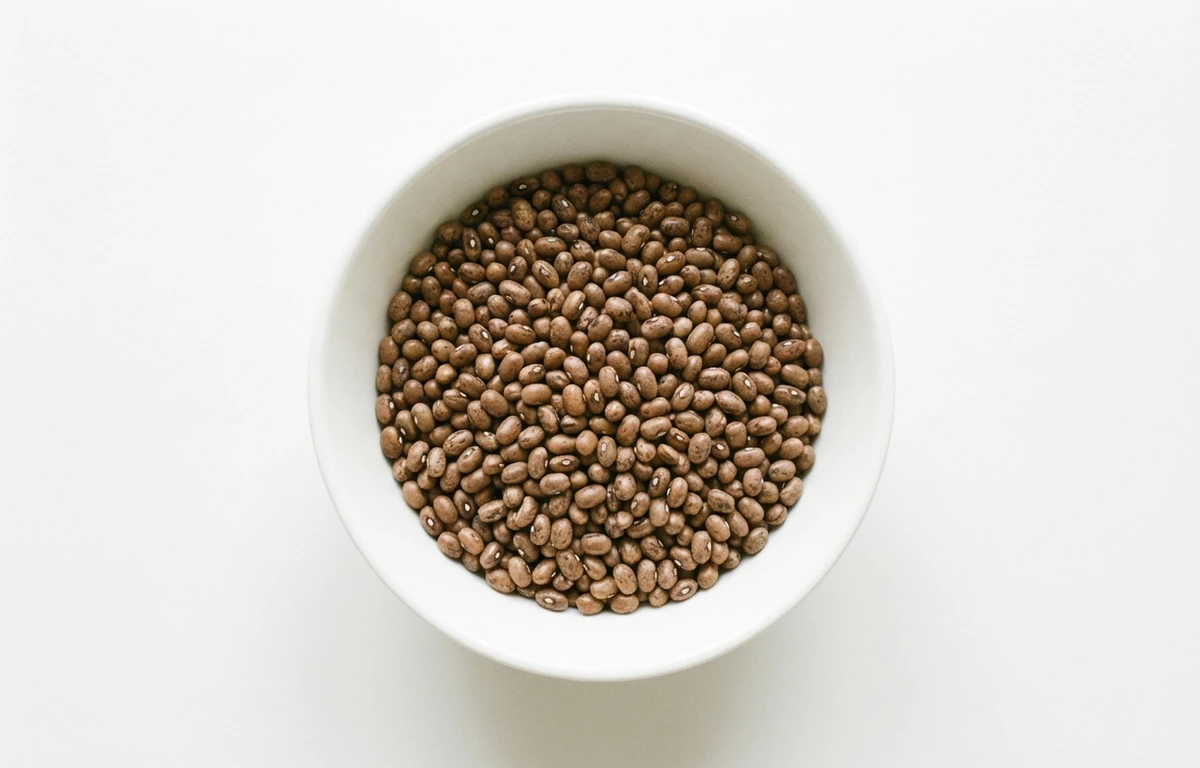
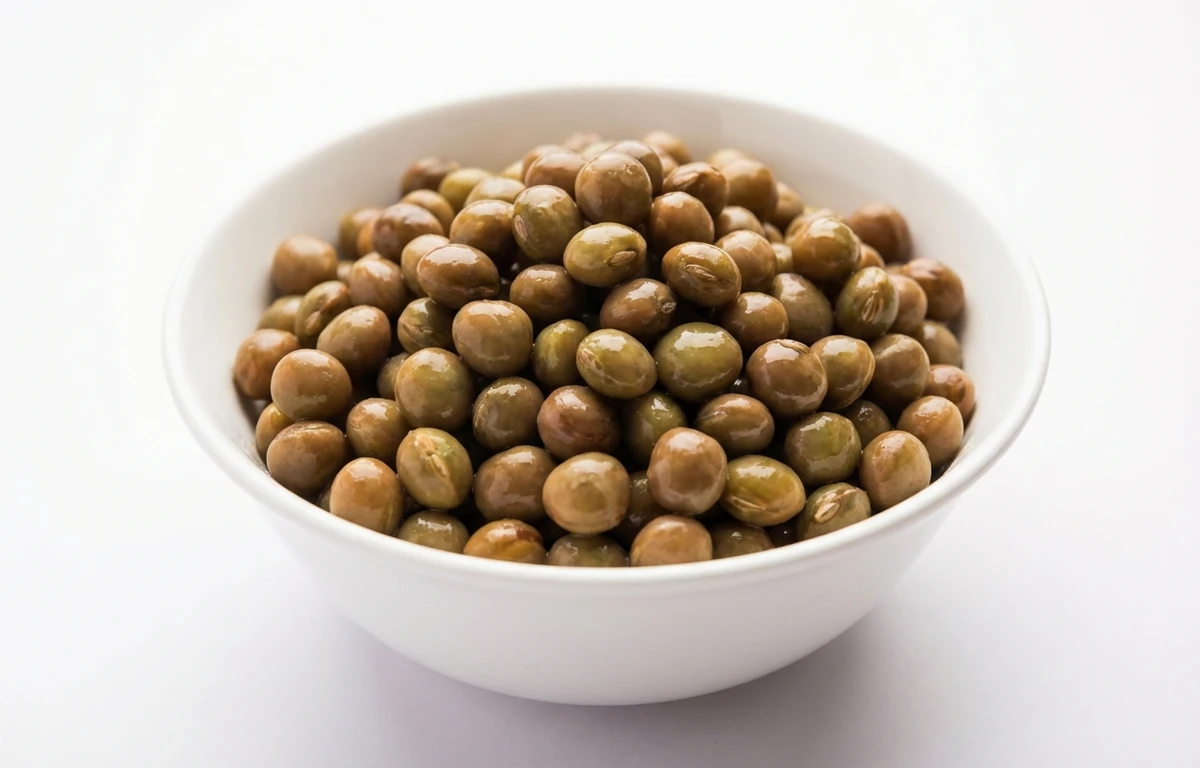
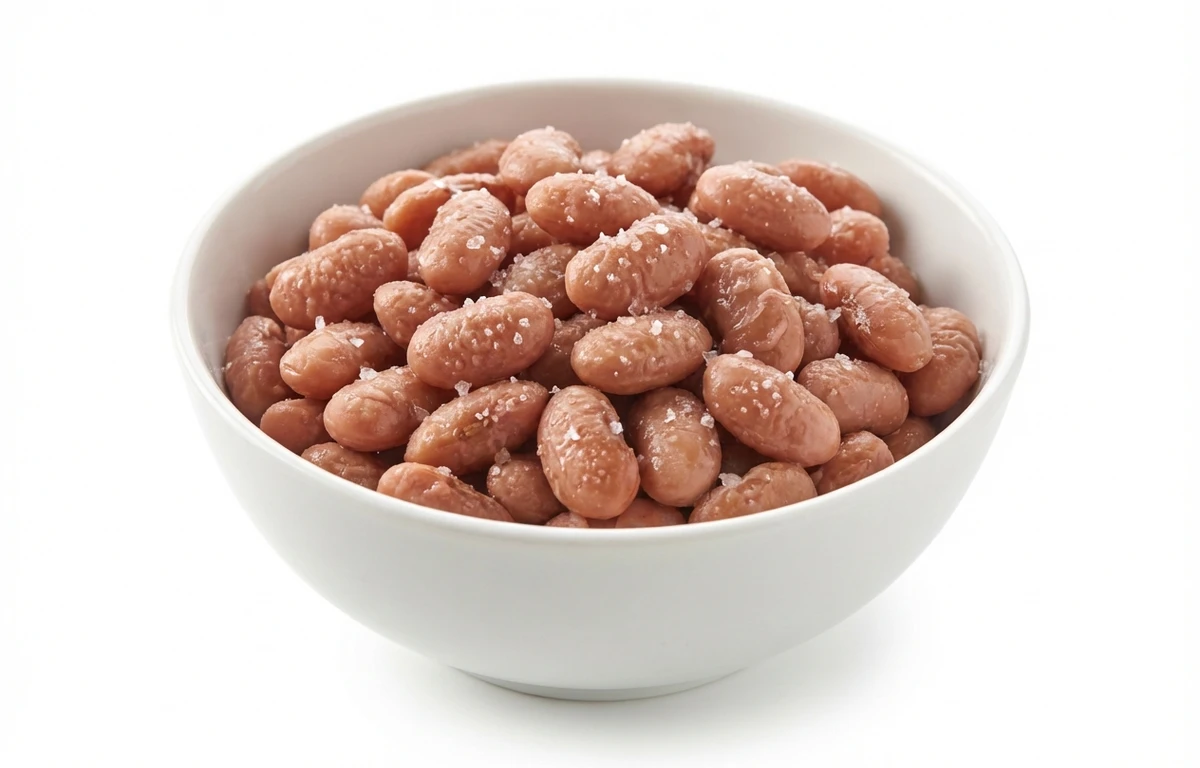
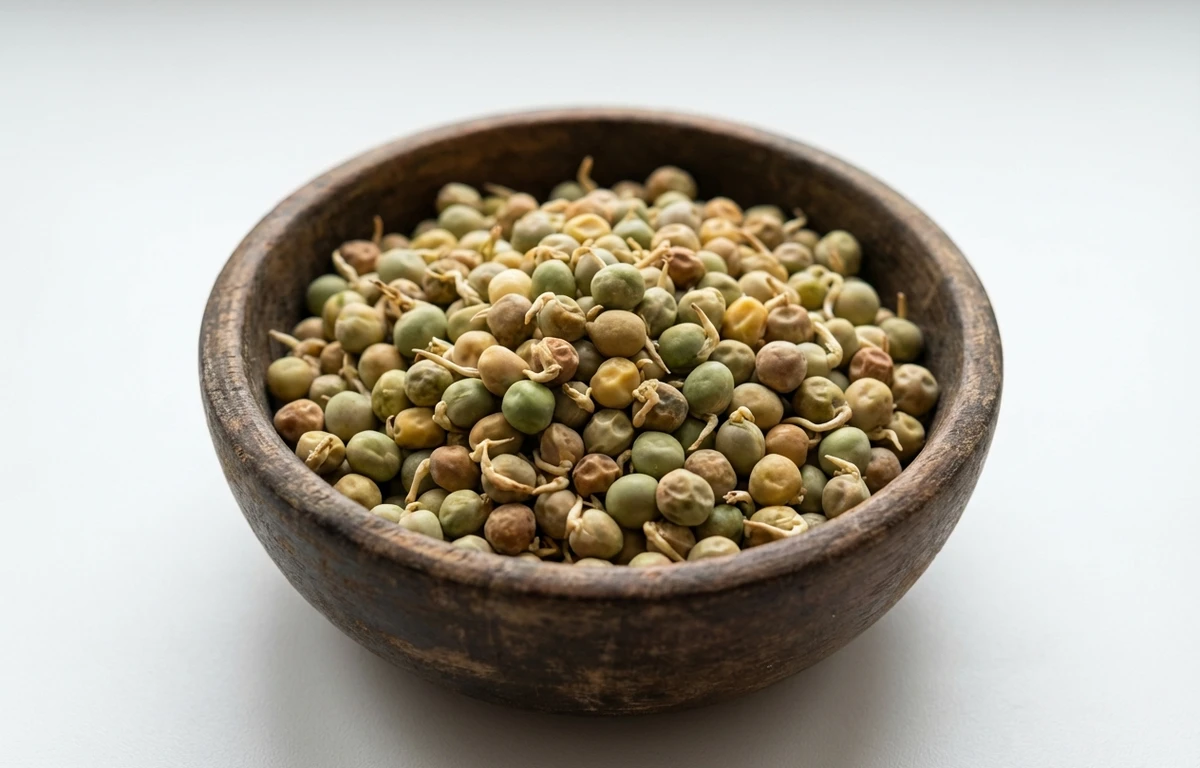
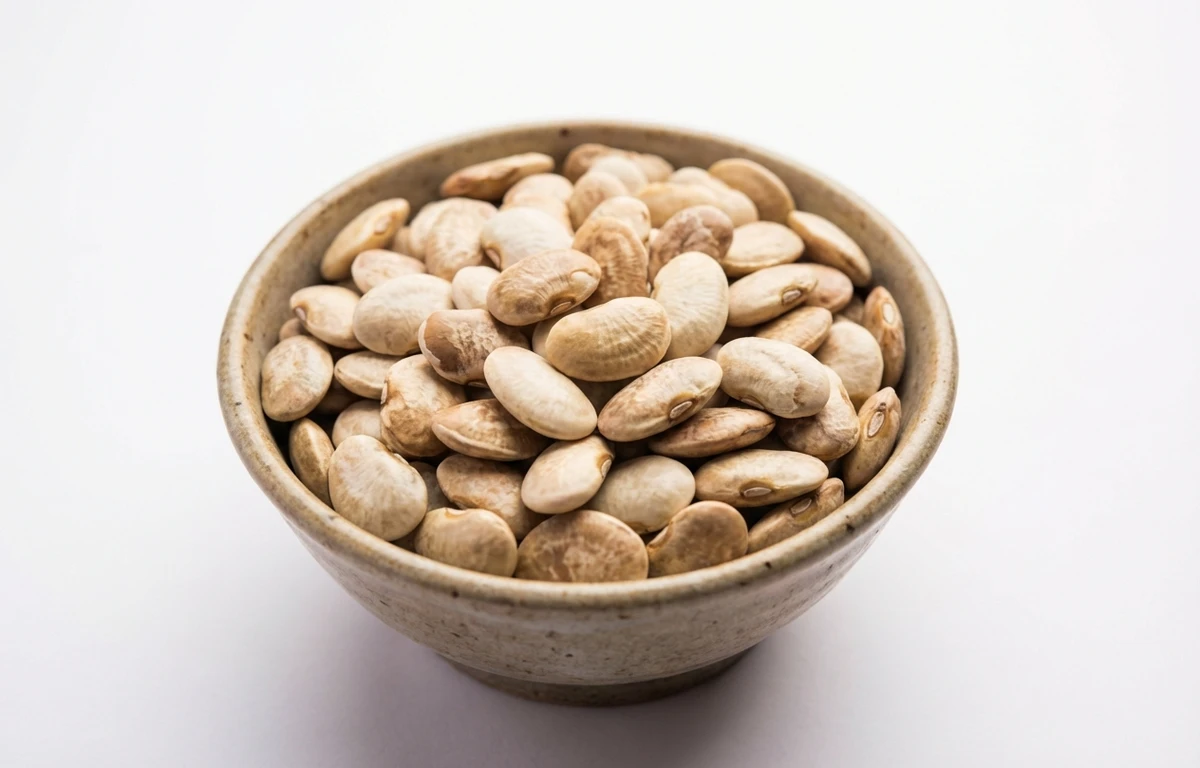
Dried Mochai Kottai.
VegetarianVeganGluten-freeDairy-freeNut-freePeanut-freeSoy-freeEgg-freeShellfish-freeHoney-freeAlcohol-free
SERVING
CALORIES
338
PROTEIN
21.4g
CARBS
60.4g
FAT
1.5g
FIBER
18.5g
NUTRITION PROFILE · per 100 g
Everything in this ingredient.
MACRONUTRIENTS
Calories338kcal—
Protein21.4g43%
Carbohydrates60.4g22%
Fiber18.5g66%
Sugar3.5g7%
Total fat1.5g2%
Saturated fat0.20g1%
Cholesterol0mg0%
Water10g—
MINERALS
Sodium16mg1%
Potassium1390mg30%
Calcium110mg8%
Iron6.5mg36%
Magnesium170mg40%
Phosphorus420mg34%
Zinc2.8mg25%
Copper0.60mg67%
Manganese0.90mg39%
Selenium7.0µg13%
VITAMINS
Vitamin A0µg0%
Vitamin C0mg0%
Vitamin D0µg0%
Vitamin E0.10mg1%
Vitamin K5.0µg4%
Thiamin (B1)0.45mg38%
Riboflavin (B2)0.18mg14%
Niacin (B3)1.8mg11%
Pantothenic acid (B5)0.60mg12%
Vitamin B60.25mg15%
Folate (B9)380µg95%
Vitamin B120µg0%
%DV based on a 2,000 cal diet. Source: USDA FoodData Central. A dash in the %DV column means there’s no established Daily Value for that nutrient.
MEASUREMENT CONVERSIONS
How much is what.
1 cup180g
1 tablespoon11.3g
1 teaspoon3.8g
1 oz28.4g
1 lb453.6g
1 ml180g
HEALTH BENEFITS
Why eat it.
- ✓Rich in dietary fiber, aiding digestion and promoting gut health.
- ✓Good source of plant-based protein, essential for muscle repair and growth.
- ✓Helps regulate blood sugar levels due to high fiber content.
- ✓Contributes to heart health by helping to lower cholesterol.
- ✓Provides essential minerals like iron, potassium, and magnesium.
COOKING TIPS
In the kitchen.
- 1Always soak dried mochai kottai overnight (8-12 hours) before cooking to reduce cooking time and improve digestibility.
- 2Discard soaking water and rinse thoroughly before cooking.
- 3Can be pressure cooked or simmered until tender, typically used in curries, stews, and gravies.
STORAGE
Keep it fresh.
- Store in an airtight container in a cool, dry, dark place.
- Keep away from direct sunlight and moisture to prevent spoilage.
- Properly stored, dried beans can last for several years.
FAQ
Frequently asked questions.
Is Dried Mochai Kottai healthy?
Yes, Dried Mochai Kottai is highly nutritious, providing 21.4g of protein and significant dietary fiber per 100g. It supports heart health by lowering cholesterol and aids in digestion while providing essential minerals like iron and magnesium.
How much protein is in Dried Mochai Kottai?
Dried Mochai Kottai contains approximately 21.4g of plant-based protein per 100g. This makes it an excellent protein source for vegetarians and vegans to support muscle repair and growth.
Is Dried Mochai Kottai good for weight loss?
Yes, its high fiber and protein content help promote satiety, which can reduce overall calorie intake by keeping you full for longer. While it contains 338 calories per 100g, its very low fat content (1.5g) makes it a healthy choice for weight management.
Is Dried Mochai Kottai vegan and gluten-free?
Yes, Dried Mochai Kottai is naturally vegan and gluten-free. It is a safe and nutritious staple for individuals with celiac disease or those following a strictly plant-based diet.
Is Dried Mochai Kottai keto-friendly?
No, it is not considered keto-friendly because it contains about 60.4g of carbohydrates per 100g. It is better suited for high-fiber, complex-carb diets rather than strict low-carb or ketogenic regimens.
How do you prepare and cook Dried Mochai Kottai?
The beans should be soaked in water for 8-10 hours or overnight. After soaking, rinse them and pressure cook with fresh water for 3-4 whistles until tender. They are commonly used in South Indian curries, gravies, and stir-fries.
What does Dried Mochai Kottai taste like?
It has a distinct, slightly nutty, and earthy flavor with a creamy, buttery texture once cooked. It is known for its ability to absorb the flavors of spices and aromatics in traditional stews.
Do I need to soak Dried Mochai Kottai before cooking?
Yes, soaking is essential to reduce cooking time and improve digestibility. Soaking also helps break down complex sugars that can cause gas, making the beans much easier on the stomach.
How should I store Dried Mochai Kottai and how long does it last?
Store the dried beans in an airtight container in a cool, dry, and dark place. When kept away from moisture, they can last for up to 12 months, though older beans may require longer soaking and cooking times.
Does Dried Mochai Kottai cause gas or bloating?
Like many legumes, it can cause gas due to its high fiber and complex sugar content. To minimize this, ensure the beans are thoroughly soaked, the soaking water is discarded, and they are cooked with digestive aids like ginger or asafoetida.
RECIPES
Cook with dried mochai kottai.
1 recipes · sorted by what’s quick
SAME CATEGORY