
Other
dried pomegranate seed powder.
VegetarianVeganGluten-freeDairy-freeNut-freePeanut-freeSoy-freeEgg-freeShellfish-freeHoney-freeAlcohol-free
ALSO KNOWN AS
dried pomegranate seed powderpomegranate seed powderanardana powderground dried pomegranate seedsanardana churnasukhe anar ke dane ka powderpomegranate seed flour
SERVING
CALORIES
372
PROTEIN
4.5g
CARBS
78g
FAT
3.5g
FIBER
12g
This ingredient is flagged as naturally gluten-free. Per 100 g, it provides 16 µg of vitamin K.
NUTRITION PROFILE · per 100 g
Everything in this ingredient.
MACRONUTRIENTS
Calories372kcal—
Protein4.5g9%
Carbohydrates78g28%
Fiber12g43%
Sugar45g90%
Total fat3.5g4%
Saturated fat0.40g2%
Trans fat0g—
Cholesterol0mg0%
Water8.0g—
MINERALS
Sodium10mg0%
Potassium820mg17%
Calcium40mg3%
Iron3.8mg21%
Magnesium65mg15%
Phosphorus110mg9%
Zinc1.2mg11%
Copper0.40mg44%
Manganese0.60mg26%
Selenium1.5µg3%
VITAMINS
Vitamin A0µg0%
Vitamin C12mg13%
Vitamin D0µg0%
Vitamin E1.5mg10%
Vitamin K16µg13%
Thiamin (B1)0.10mg8%
Riboflavin (B2)0.10mg8%
Niacin (B3)1.2mg8%
Pantothenic acid (B5)0.80mg16%
Vitamin B60.20mg12%
Folate (B9)35µg9%
Vitamin B120µg0%
%DV based on a 2,000 cal diet. Source: USDA FoodData Central. A dash in the %DV column means there’s no established Daily Value for that nutrient.
MEASUREMENT CONVERSIONS
How much is what.
1 cup144g
1 tablespoon9g
1 teaspoon3g
1 oz28.4g
1 lb453.6g
1 ml0.6g
1 liter600g
HEALTH BENEFITS
Why eat it.
- ✓Acts as a natural digestive aid and helps relieve flatulence
- ✓Contains dietary fiber which supports gut health
- ✓Provides a concentrated source of Vitamin C and Vitamin K
- ✓May help in managing blood pressure and heart health
COOKING TIPS
In the kitchen.
- 1Use as a souring agent in place of amchur (mango powder) or lemon juice
- 2Add to marinades for meat or paneer to provide a tangy flavor and tenderizing effect
- 3Mix into spice blends for chickpeas (Chana Masala) or stuffed parathas for authentic depth
STORAGE
Keep it fresh.
- Store in an airtight glass container to prevent moisture absorption
- Keep in a cool, dark, and dry place away from direct sunlight
- Ensure the spoon used to scoop the powder is completely dry
FAQ
Frequently asked questions.
What is dried pomegranate seed powder used for?
It is primarily used as a souring agent in Indian and Middle Eastern cuisines, adding a tangy, slightly fruity flavor to curries, chutneys, and marinades.
How long does dried pomegranate seed powder last?
When stored in an airtight container in a cool, dry place, it can last for up to 12 months. Its potency and aroma will gradually decrease over time.
What is a good substitute for anardana powder?
Amchur (dried mango powder) is the best substitute. Alternatively, lemon juice, tamarind paste, or sumac can be used to provide a similar acidity.
Is pomegranate seed powder gluten-free?
Yes, pure dried pomegranate seed powder is naturally gluten-free as it is derived solely from fruit seeds.
Does it taste like fresh pomegranate?
No, it is much more acidic and less sweet than fresh pomegranate. It has a concentrated tartness and a slightly nutty, earthy undertone.
Can I use it in baking?
Yes, it can be added to sourdough or specialty breads and muffins for a unique tangy flavor profile, though it is more common in savory dishes.
How do I identify high-quality anardana powder?
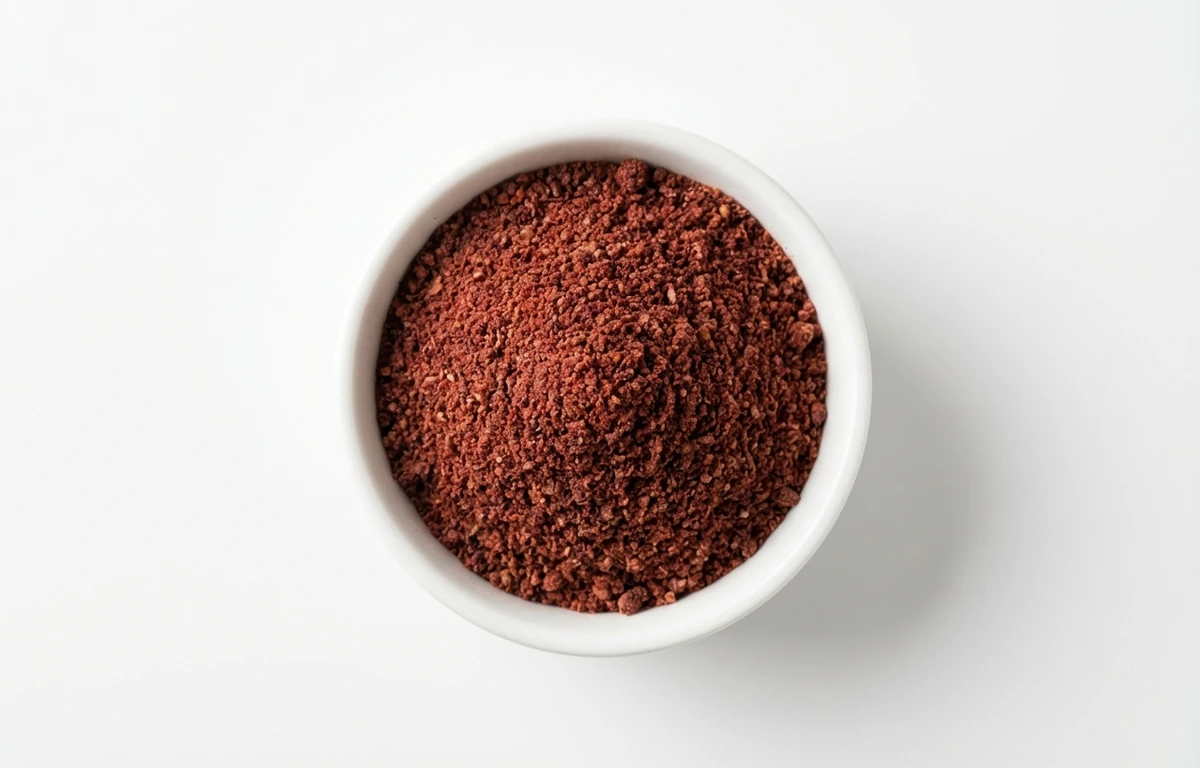
Look for a dark reddish-brown color and a strong, tangy aroma. Avoid powders that look clumped (indicating moisture) or have a very dull, greyish tint.
Is it safe for people with kidney stones?
Pomegranate seeds contain oxalates; while generally safe in spice quantities, individuals on low-oxalate diets should consult a doctor.
Can I make this powder at home?
Yes, by sun-drying or dehydrating fresh pomegranate seeds until they are brittle and then grinding them into a fine powder using a spice grinder.
Does it dissolve in water?
It does not fully dissolve as it contains fibrous seed particles, but it disperses well in sauces and gravies.



















