
Other2 recipes
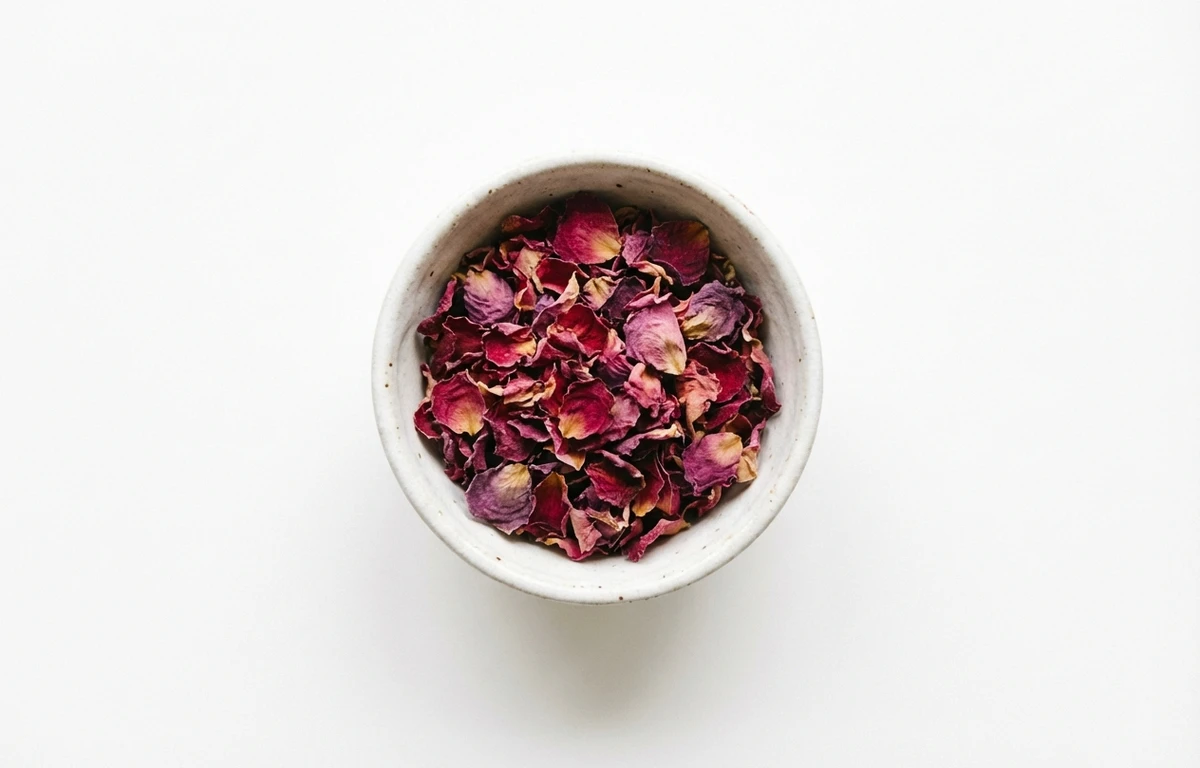
dried rose petals.
VegetarianVeganGluten-freeDairy-freeNut-freePeanut-freeSoy-freeEgg-freeShellfish-freeHoney-freeAlcohol-free
ALSO KNOWN AS
gulab pattidried rosebudssukkha gulab
SERVING
CALORIES
285
PROTEIN
5.2g
CARBS
58g
FAT
1.5g
FIBER
35g
This ingredient is flagged as naturally gluten-free. Per 100 g, it provides 5.0 µg of vitamin K.
NUTRITION PROFILE · per 100 g
Everything in this ingredient.
MACRONUTRIENTS
Calories285kcal—
Protein5.2g10%
Carbohydrates58g21%
Fiber35g125%
Sugar12g24%
Total fat1.5g2%
Saturated fat0.30g2%
Trans fat0g—
Cholesterol0mg0%
Water8.0g—
MINERALS
Sodium15mg1%
Potassium450mg10%
Calcium180mg14%
Iron4.5mg25%
Magnesium60mg14%
Phosphorus120mg10%
Zinc0.80mg7%
Copper0.20mg22%
Manganese0.50mg22%
Selenium1.2µg2%
VITAMINS
Vitamin A150µg17%
Vitamin C40mg44%
Vitamin D0µg0%
Vitamin E1.5mg10%
Vitamin K5.0µg4%
Thiamin (B1)0.05mg4%
Riboflavin (B2)0.10mg8%
Niacin (B3)0.80mg5%
Pantothenic acid (B5)0.30mg6%
Vitamin B60.10mg6%
Folate (B9)15µg4%
Vitamin B120µg0%
%DV based on a 2,000 cal diet. Source: USDA FoodData Central. A dash in the %DV column means there’s no established Daily Value for that nutrient.
MEASUREMENT CONVERSIONS
How much is what.
1 cup28g
1 tablespoon1.8g
1 teaspoon0.6g
1 oz28.4g
1 lb453.6g
1 ml0.1g
1 liter120g
HEALTH BENEFITS
Why eat it.
- ✓May help soothe digestive issues and bloating
- ✓High fiber content supports gut health
- ✓Provides a calming effect and may reduce stress levels
COOKING TIPS
In the kitchen.
- 1Add to tea blends for a floral aroma and mild sweetness
- 2Crush lightly before use to release more of the natural fragrance
- 3Use as a garnish for desserts like rice pudding, cakes, or yogurt
STORAGE
Keep it fresh.
- Store in an airtight glass jar to preserve the volatile oils and aroma
- Keep in a cool, dark place away from direct sunlight to prevent fading
- Ensure the storage area is completely dry to prevent mold growth
FAQ
Frequently asked questions.
How long do dried rose petals last?
When stored in an airtight container in a cool, dark place, they can last for 12 to 24 months, though the aroma may fade over time.
Are all dried rose petals edible?
No. Only use roses labeled as 'culinary grade' or 'food grade' to ensure they are free from harmful pesticides and chemicals.
What is the best substitute for dried rose petals?
Rose water is the best liquid substitute (use sparingly). For a similar floral visual, dried hibiscus or lavender can be used.
How do I know if the rose petals are high quality?
Look for petals with a vibrant pink or red color and a strong, sweet floral scent. Avoid petals that look brown or have no aroma.
Can I freeze dried rose petals?
It is not necessary if kept dry, but you can freeze them in an airtight bag to extend shelf life; however, moisture during thawing can ruin them.
Do dried rose petals contain caffeine?
No, rose petals are naturally caffeine-free, making them a popular addition to herbal tea blends.
How should I prepare them for cooking?
Gently shake them in a sieve to remove any dust. There is no need to wash them as moisture will make them soggy.
What dishes pair well with rose petals?
They pair excellently with Middle Eastern and Indian dishes, including biryani, kheer, baklava, and lamb tagines.
RECIPES
Cook with dried rose petals.
2 recipes · sorted by what’s quick



















