
Other9 recipes
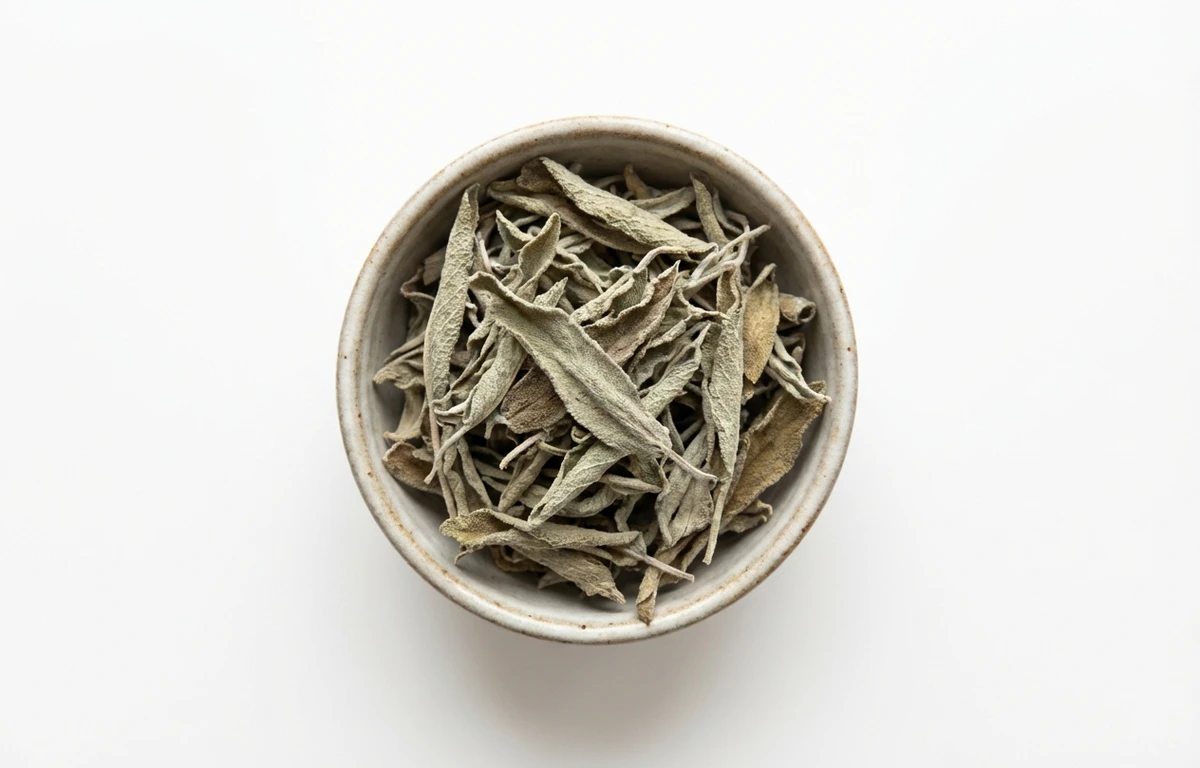
dried sage.
VegetarianVeganGluten-freeDairy-freeNut-freePeanut-freeSoy-freeEgg-freeShellfish-freeHoney-freeAlcohol-free
ALSO KNOWN AS
sage
SERVING
CALORIES
6
PROTEIN
0.20g
CARBS
0.90g
FAT
0.21g
FIBER
0.49g
NUTRITION PROFILE · per 100 g
Everything in this ingredient.
MACRONUTRIENTS
Calories6.3kcal—
Protein0.20g0%
Carbohydrates0.90g0%
Fiber0.49g2%
Sugar0.05g0%
Total fat0.21g0%
Saturated fat0.13g1%
Cholesterol0mg0%
Water0.13g—
MINERALS
Sodium0.28mg0%
Potassium15mg0%
Calcium16.4mg1%
Iron0.45mg3%
Magnesium4.5mg1%
Phosphorus5.5mg0%
Zinc0.07mg1%
Copper0.02mg2%
Manganese0.06mg3%
Selenium0.08µg0%
VITAMINS
Vitamin A4.5µg0%
Vitamin C0.04mg0%
Vitamin D0µg0%
Vitamin E0.10mg1%
Vitamin K40.6µg34%
Thiamin (B1)0mg0%
Riboflavin (B2)0.01mg1%
Niacin (B3)0.01mg0%
Pantothenic acid (B5)0.01mg0%
Vitamin B60mg0%
Folate (B9)4.6µg1%
Vitamin B120µg0%
%DV based on a 2,000 cal diet. Source: USDA FoodData Central. A dash in the %DV column means there’s no established Daily Value for that nutrient.
MEASUREMENT CONVERSIONS
How much is what.
1 cup64g
1 tablespoon4.1g
1 teaspoon1.4g
1 ml0.3g
1 liter273.3g
1 piece50g
HEALTH BENEFITS
Why eat it.
- ✓Rich in antioxidants like rosmarinic acid, which help protect cells from damage.
- ✓Contains compounds that may support cognitive function and memory.
- ✓Exhibits anti-inflammatory and antimicrobial properties, traditionally used to soothe sore throats and support oral health.
- ✓May help in managing blood sugar and cholesterol levels.
COOKING TIPS
In the kitchen.
- 1Dried sage is more concentrated than fresh; use approximately one-third the amount called for in a recipe substituting for fresh sage.
- 2Add early in the cooking process for stews, roasts, and sauces to allow its robust, earthy flavor to meld and mellow.
- 3Pairs exceptionally well with rich and fatty foods such as pork, sausage, poultry (especially turkey and duck), and creamy pasta dishes.
- 4Infuse butter or oil with dried sage over low heat to create a flavorful base for sauces or for drizzling over vegetables.
STORAGE
Keep it fresh.
- Store in a tightly sealed, airtight container in a cool, dark, and dry place like a pantry or spice cabinet.
- For optimal flavor, use within one to three years, as its potency diminishes over time.
FAQ
Frequently asked questions.
Is dried sage healthy?
Yes, dried sage is considered healthy due to its rich antioxidant content, particularly rosmarinic acid, which helps protect cells from damage. It also possesses anti-inflammatory and antimicrobial properties. While consumed in small amounts, it contributes beneficial compounds to your diet.
What are the health benefits of dried sage?
Dried sage is rich in antioxidants that protect cells from damage and contains compounds that may support cognitive function and memory. It exhibits anti-inflammatory and antimicrobial properties, traditionally used to soothe sore throats and support oral health. It may also help in managing blood sugar and cholesterol levels.
How many calories are in dried sage?
Dried sage is very low in calories; 100g contains approximately 4.48 calories. Since it's typically used in much smaller quantities (e.g., a teaspoon), its caloric contribution to a meal is negligible. It also provides minimal protein, carbs, and fat per serving.
Is dried sage gluten-free?
Yes, pure dried sage is naturally gluten-free. It is a single-ingredient herb and does not contain wheat, barley, or rye. Always check the label of spice blends to ensure no gluten-containing additives are present.
Is dried sage vegan?
Yes, dried sage is vegan. It is a plant-based herb derived from the sage plant and contains no animal products or by-products. It's a common ingredient in many vegan dishes for flavor.
Is dried sage keto-friendly?
Yes, dried sage is very keto-friendly. It contains a negligible amount of carbohydrates per serving (0.9g per 100g, but typically used in much smaller amounts). It adds flavor to dishes without significantly impacting your daily carb count on a ketogenic diet.
What does dried sage taste like?
Dried sage has a strong, earthy, slightly peppery, and savory flavor with hints of mint and pine. It's more concentrated and less bright than fresh sage, often described as warm and somewhat bitter. Its robust flavor pairs well with rich foods.
How do you use dried sage in cooking?
Dried sage is commonly used in savory dishes, especially with poultry (like turkey or chicken), pork, and in stuffings. It's also excellent in soups, stews, sauces, and with root vegetables. Add it early in the cooking process to allow its flavors to meld.
How do you store dried sage?
Store dried sage in an airtight container in a cool, dark, and dry place, away from direct sunlight and heat. This helps preserve its flavor and potency. A spice cabinet or pantry is ideal for optimal storage.
How long does dried sage last?
When stored properly, dried sage can last for 2-3 years, though its potency and flavor will gradually diminish over time. It won't spoil in a harmful way, but it will become less aromatic and flavorful. To check freshness, rub a small amount between your fingers; if it has little aroma, it's time to replace it.
RECIPES
Cook with dried sage.
9 recipes · sorted by what’s quick



















