
Nut Seed
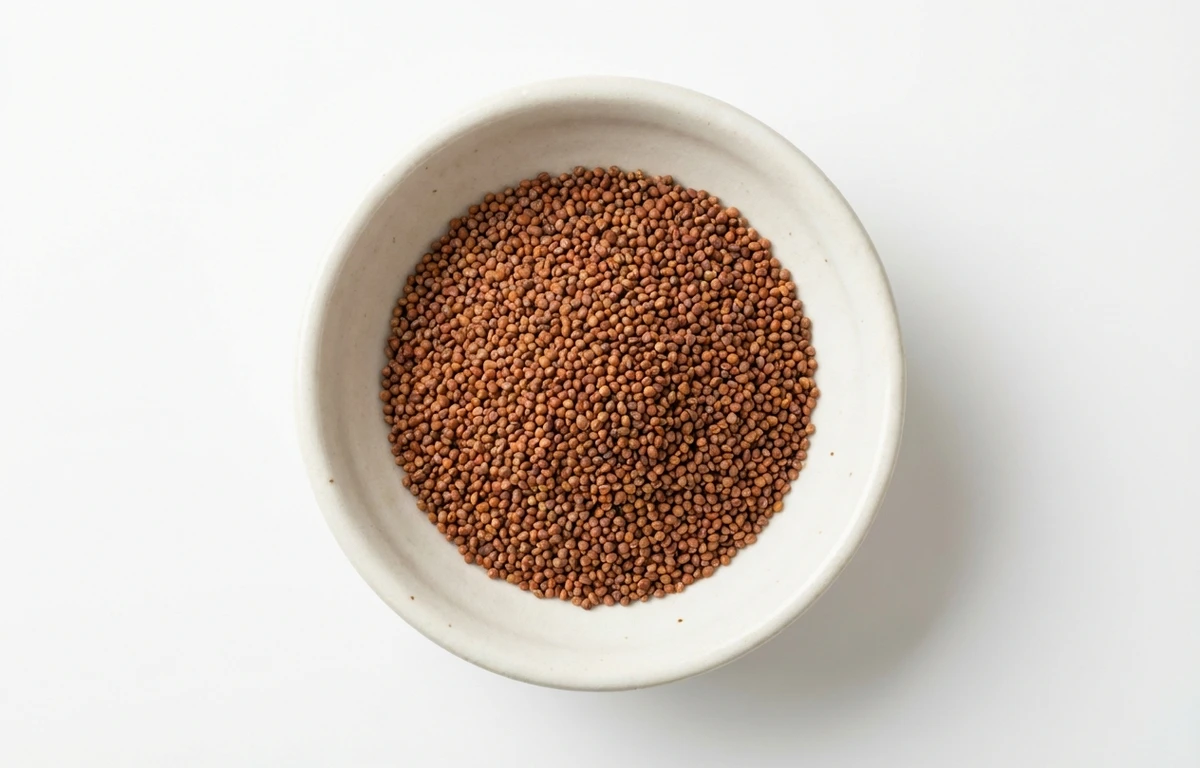
dried sisymbrium seeds.
VegetarianVeganGluten-freeDairy-freeNut-freePeanut-freeSoy-freeEgg-freeShellfish-freeHoney-freeAlcohol-free
ALSO KNOWN AS
khub kalankhubkalanhedge mustard seedslondon rocket seedskhakshirdried sisymbrium irio seedskhub-kalan
SERVING
CALORIES
385
PROTEIN
24.2g
CARBS
36.5g
FAT
17.8g
FIBER
12.4g
NUTRITION PROFILE · per 100 g
Everything in this ingredient.
MACRONUTRIENTS
Calories385kcal—
Protein24.2g48%
Carbohydrates36.5g13%
Fiber12.4g44%
Sugar1.2g2%
Total fat17.8g23%
Saturated fat1.5g8%
Trans fat0g—
Cholesterol0mg0%
Water6.5g—
MINERALS
Sodium15mg1%
Potassium540mg11%
Calcium420mg32%
Iron8.5mg47%
Magnesium210mg50%
Phosphorus450mg36%
Zinc3.2mg29%
Copper0.80mg89%
Manganese1.5mg65%
Selenium4.2µg8%
VITAMINS
Vitamin A12µg1%
Vitamin C2.5mg3%
Vitamin D0µg0%
Vitamin E4.8mg32%
Vitamin K15µg13%
Thiamin (B1)0.40mg33%
Riboflavin (B2)0.20mg15%
Niacin (B3)2.1mg13%
Pantothenic acid (B5)0.60mg12%
Vitamin B60.30mg18%
Folate (B9)45µg11%
Vitamin B120µg0%
%DV based on a 2,000 cal diet. Source: USDA FoodData Central. A dash in the %DV column means there’s no established Daily Value for that nutrient.
MEASUREMENT CONVERSIONS
How much is what.
1 cup165g
1 tablespoon10.5g
1 teaspoon3.5g
1 oz28.4g
1 lb453.6g
1 ml0.7g
1 liter680g
HEALTH BENEFITS
Why eat it.
- ✓Supports respiratory health and helps relieve coughs
- ✓Traditionally used to reduce fever and body heat
- ✓Contains antimicrobial properties that may aid in detoxification
- ✓Rich in plant-based protein and essential minerals
- ✓Acts as a natural digestive aid when soaked
COOKING TIPS
In the kitchen.
- 1Always rinse thoroughly in a fine-mesh sieve to remove grit and sand
- 2Soak in water for 15-30 minutes before adding to drinks or syrups
- 3Lightly toast on low heat to enhance the nutty aroma before grinding
STORAGE
Keep it fresh.
- Store in an airtight glass container to prevent moisture absorption
- Keep in a cool, dark, and dry place away from direct sunlight
- Can be stored for up to 12 months if kept completely dry
FAQ
Frequently asked questions.
What are dried sisymbrium seeds?
They are the tiny, reddish-brown seeds of the Sisymbrium plant, commonly used in Unani and Ayurvedic medicine and as a cooling ingredient in Persian beverages.
How do I clean sisymbrium seeds (Khub Kalan)?
Since they are very small and often contain sand, place them in a bowl of water, stir, and let the grit settle at the bottom. Carefully pour the seeds and water into another container, leaving the sediment behind.
What is the best substitute for sisymbrium seeds?
For texture in drinks, basil seeds (sabja) or chia seeds can be used, though they have different medicinal properties. For culinary spice, brown mustard seeds are the closest visual match.
How long do dried sisymbrium seeds last?
When stored in an airtight container in a cool, dry place, they remain potent and safe to consume for about 1 year.
Can sisymbrium seeds be frozen?
Yes, they can be frozen in an airtight bag to extend shelf life, but it is generally unnecessary if they are kept dry at room temperature.
How are they used in drinks?
In Persian cuisine, they are used to make 'Khakshir,' a refreshing drink where the seeds are soaked in water with rosewater and sugar.
Are they safe to eat raw?
Yes, they can be eaten raw, but they are most commonly soaked or boiled into a decoction for better digestion and medicinal efficacy.
What should I look for when buying them?
Look for seeds that are uniform in color (reddish-brown), free from visible dust, stones, or clumps, and have a clean, slightly spicy scent.
Are they the same as mustard seeds?
No, while they belong to the same botanical family (Brassicaceae), sisymbrium seeds are much smaller and have different medicinal uses compared to culinary mustard.



















