
Dairy
dried sweet whey.
VegetarianVeganGluten-freeDairy-freeNut-freePeanut-freeSoy-freeEgg-freeShellfish-freeHoney-freeAlcohol-free
ALSO KNOWN AS
sweet whey powderdry sweet wheypowdered sweet whey
SERVING
CALORIES
353
PROTEIN
12.9g
CARBS
74.5g
FAT
1.1g
FIBER
0g
NUTRITION PROFILE · per 100 g
Everything in this ingredient.
MACRONUTRIENTS
Calories353kcal—
Protein12.9g26%
Carbohydrates74.5g27%
Fiber0g0%
Sugar74.5g149%
Total fat1.1g1%
Saturated fat0.70g3%
Trans fat0g—
Cholesterol6.0mg2%
Water3.2g—
MINERALS
Sodium1079mg47%
Potassium2080mg44%
Calcium796mg61%
Iron0.90mg5%
Magnesium176mg42%
Phosphorus932mg75%
Zinc1.9mg17%
Copper0.03mg3%
Manganese0.01mg0%
Selenium27.3µg50%
VITAMINS
Vitamin A11µg1%
Vitamin C0.10mg0%
Vitamin D0µg0%
Vitamin E0.01mg0%
Vitamin K0.10µg0%
Thiamin (B1)0.45mg38%
Riboflavin (B2)2.2mg170%
Niacin (B3)1.3mg8%
Pantothenic acid (B5)5.6mg112%
Vitamin B60.58mg34%
Folate (B9)12µg3%
Vitamin B122.4µg99%
%DV based on a 2,000 cal diet. Source: USDA FoodData Central. A dash in the %DV column means there’s no established Daily Value for that nutrient.
MEASUREMENT CONVERSIONS
How much is what.
1 cup120g
1 tablespoon7.5g
1 teaspoon2.5g
1 oz28.4g
1 lb453.6g
1 ml0.5g
1 liter500g
HEALTH BENEFITS
Why eat it.
- ✓High in essential amino acids for muscle repair
- ✓Excellent source of calcium for bone health
- ✓Rich in B-vitamins which support energy metabolism
- ✓Contains potassium which helps regulate blood pressure
- ✓Provides phosphorus for healthy cell function
COOKING TIPS
In the kitchen.
- 1Sift the powder before adding to dry ingredients to ensure even distribution
- 2Use as a substitute for non-fat dry milk in baking for a softer crust
- 3Add to smoothies or protein shakes for a concentrated source of dairy minerals
STORAGE
Keep it fresh.
- Store in a cool, dry place away from direct sunlight
- Keep in an airtight container to prevent moisture absorption and clumping
- Ensure the storage area is free from strong odors as the powder can absorb them
FAQ
Frequently asked questions.
How long does dried sweet whey last?
When stored in a cool, dry place in an airtight container, it typically lasts 6 to 12 months.
Can dried sweet whey be frozen?
Yes, it can be frozen in an airtight container to extend its shelf life, though it is usually unnecessary if kept dry.
What is the difference between sweet whey and acid whey?
Sweet whey is a byproduct of rennet-coagulated cheeses like Cheddar or Swiss, while acid whey comes from acid-coagulated products like Greek yogurt.
What can I use as a substitute for dried sweet whey?
Non-fat dry milk powder is the closest substitute, though it has a different protein-to-lactose ratio.
Is dried sweet whey gluten-free?
Yes, pure dried sweet whey is naturally gluten-free, but always check labels for cross-contamination if you have celiac disease.
How do I pick a high-quality whey powder?
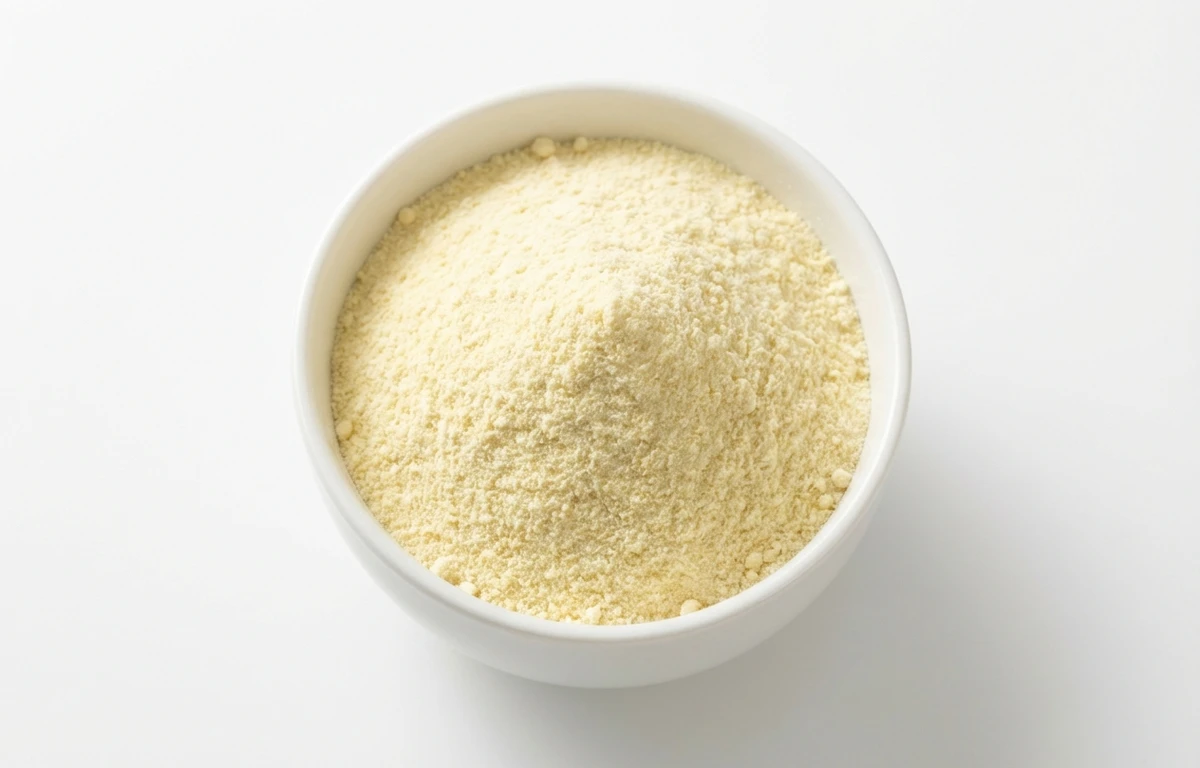
Look for a powder that is uniform in color (off-white to light cream) and free-flowing without hard lumps.
Is dried sweet whey high in lactose?
Yes, it is very high in lactose (about 70-75%), so it is not suitable for those with lactose intolerance.
What are common uses for dried sweet whey?
It is commonly used in bread making, confectionery, snack foods, and as a nutritional supplement.
Does dried sweet whey contain fat?
It contains a very small amount of fat, typically around 1% by weight.
Is it the same as whey protein isolate?
No, dried sweet whey contains much more lactose and minerals and less protein than whey protein isolate.



















