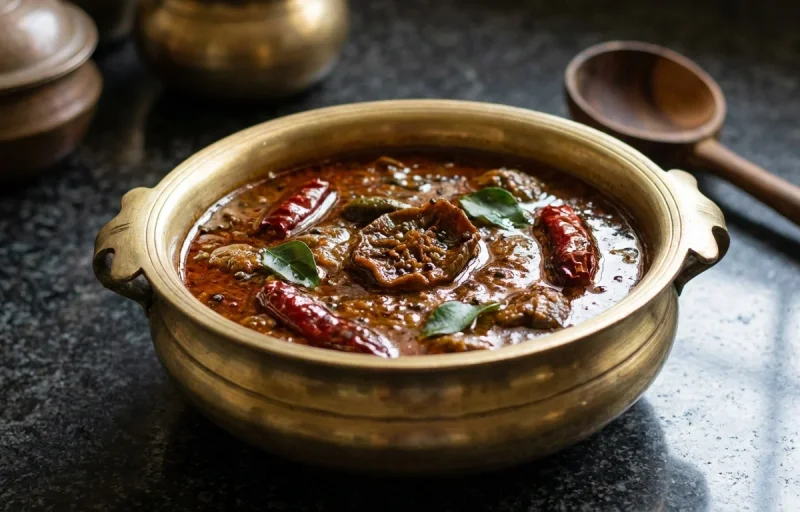
Other5 recipes
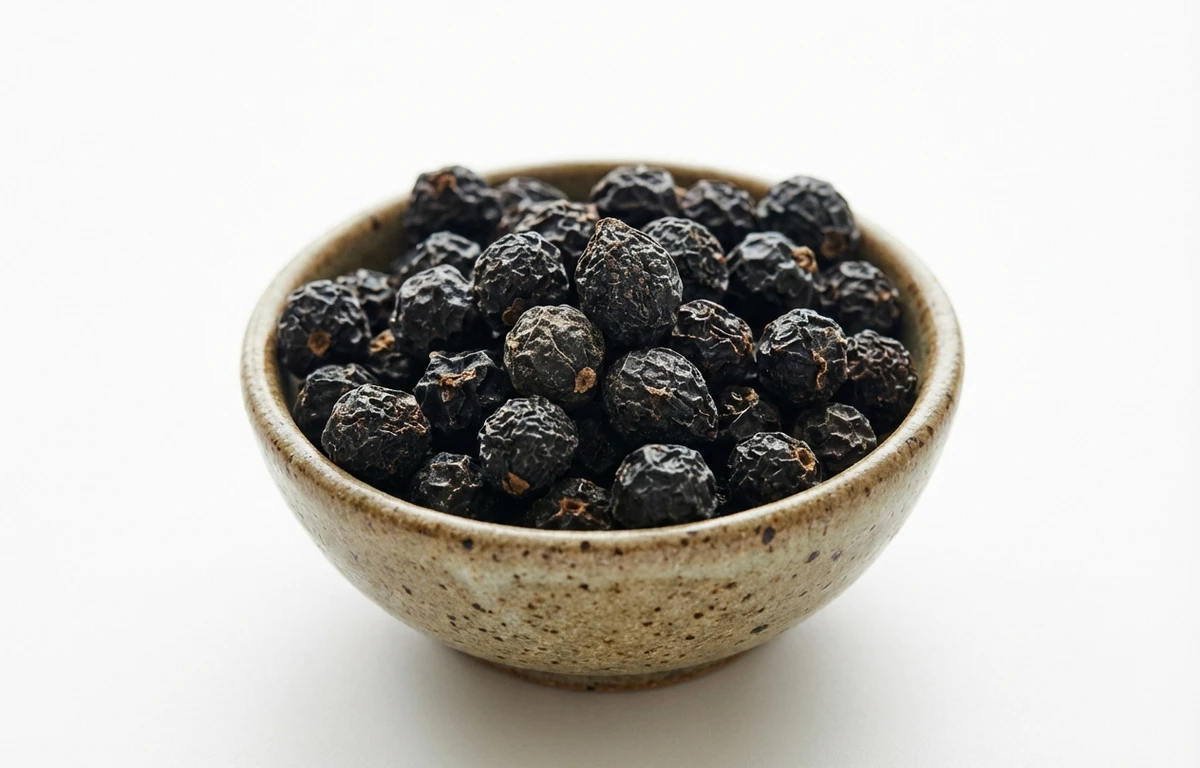
dried turkey berry.
VegetarianVeganGluten-freeDairy-freeNut-freePeanut-freeSoy-freeEgg-freeShellfish-freeHoney-freeAlcohol-free
ALSO KNOWN AS
sundakkai vathal
SERVING
CALORIES
280
PROTEIN
8.0g
CARBS
60g
FAT
1.0g
FIBER
14g
This ingredient is flagged as naturally gluten-free.
NUTRITION PROFILE · per 100 g
Everything in this ingredient.
MACRONUTRIENTS
Calories280kcal—
Protein8.0g16%
Carbohydrates60g22%
Fiber14g50%
Sugar25g50%
Total fat1.0g1%
Saturated fat0.10g1%
Cholesterol0mg0%
Water10g—
MINERALS
Sodium1000mg43%
Potassium600mg13%
Calcium66mg5%
Iron23mg128%
Magnesium100mg24%
Phosphorus150mg12%
Zinc6.5mg59%
Copper0.80mg89%
Manganese6.0mg261%
VITAMINS
Vitamin A50µg6%
Vitamin C5.0mg6%
Vitamin D0µg0%
Thiamin (B1)0.15mg13%
Riboflavin (B2)0.12mg9%
Niacin (B3)4.5mg28%
Vitamin B60.25mg15%
%DV based on a 2,000 cal diet. Source: USDA FoodData Central. A dash in the %DV column means there’s no established Daily Value for that nutrient.
MEASUREMENT CONVERSIONS
How much is what.
1 cup112g
1 tablespoon7g
1 teaspoon2.3g
1 ml0.5g
1 liter466.7g
HEALTH BENEFITS
Why eat it.
- ✓Rich in iron, traditionally used to help manage anemia.
- ✓May support digestive health and has been used in traditional medicine for stomach ailments.
COOKING TIPS
In the kitchen.
- 1Rehydrate dried turkey berries by soaking them in warm water for 15-20 minutes before cooking.
- 2To reduce their natural bitterness, lightly crush the rehydrated berries and rinse them well.
- 3Fry in oil until crispy and add to curries, stews (like Thai green curry), or lentil dishes for a unique flavor and texture.
- 4Can be ground into a powder and used as a seasoning or health supplement in smoothies or soups.
STORAGE
Keep it fresh.
- Store in a cool, dark, and dry place, such as a pantry or cupboard.
- Keep in an airtight container to prevent moisture absorption and maintain freshness for up to a year.
FAQ
Frequently asked questions.
What are the nutritional values of dried turkey berry?
Per 100g, dried turkey berry contains approximately 280 calories, 8g of protein, 60g of carbohydrates, and 1g of fat. It's a good source of dietary fiber and various micronutrients, especially iron.
Is dried turkey berry vegan and gluten-free?
Yes, dried turkey berry is naturally vegan as it is a plant-based vegetable. It is also gluten-free, making it suitable for individuals following a gluten-free diet.
Is dried turkey berry keto-friendly or low-carb?
No, dried turkey berry is not considered keto-friendly or low-carb. With approximately 60g of carbohydrates per 100g, it is relatively high in carbs and would not fit into a strict ketogenic diet.
How do you prepare and cook dried turkey berry?
Dried turkey berries typically need to be rehydrated before cooking. Soak them in warm water for 15-30 minutes until softened. They are commonly used in soups, stews, and curries, especially in West African and Southeast Asian cuisines, where they add a unique flavor and nutritional boost.
What does dried turkey berry taste like?
Dried turkey berry has a distinct, slightly bitter and earthy taste. This bitterness is often balanced by other ingredients in dishes, contributing a complex flavor profile to savory meals.
How should dried turkey berry be stored?
Dried turkey berries should be stored in an airtight container in a cool, dry place away from direct sunlight. Proper storage helps maintain their quality and extends their shelf life for several months.
Can dried turkey berry be eaten raw?
While fresh turkey berries can sometimes be eaten raw, dried turkey berries are typically rehydrated and cooked before consumption. Cooking helps to soften them and integrate their flavor into dishes more effectively.
RECIPES
Cook with dried turkey berry.
5 recipes · sorted by what’s quick