
Other1 recipes
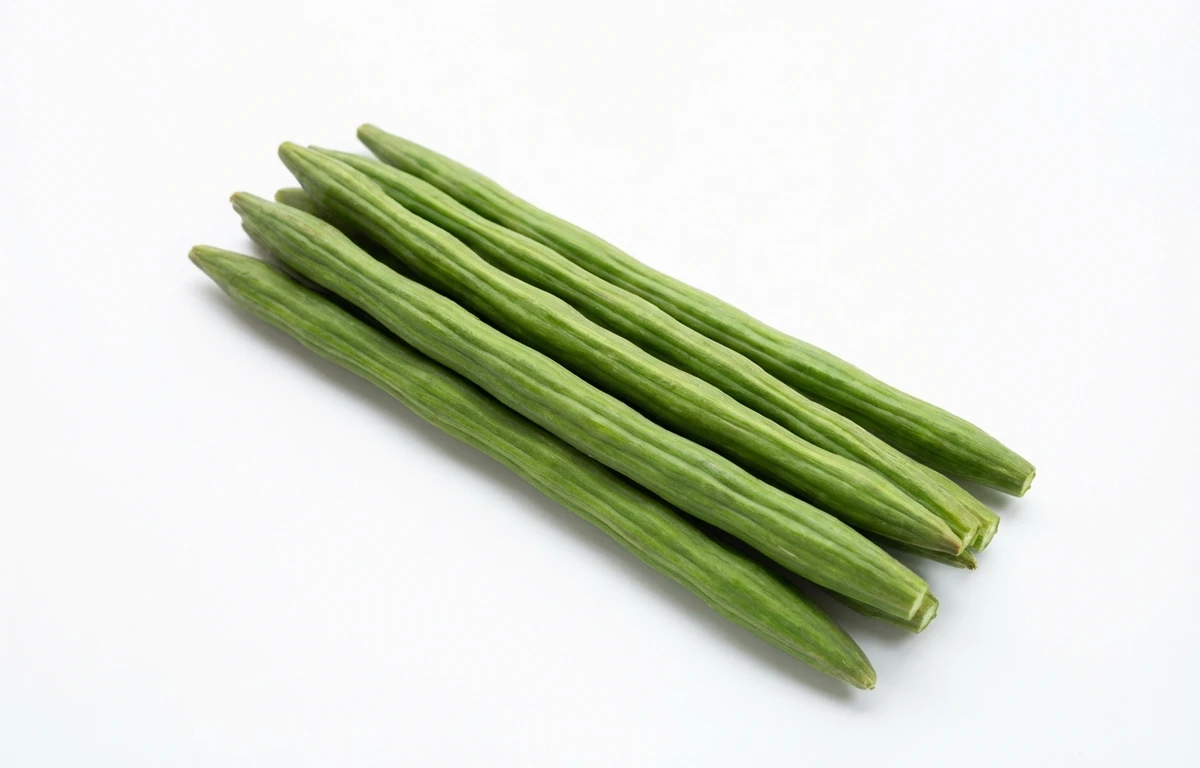
drumstick tree.
VegetarianVeganGluten-freeDairy-freeNut-freePeanut-freeSoy-freeEgg-freeShellfish-freeHoney-freeAlcohol-free
ALSO KNOWN AS
moringa podssahjanmurungaishevgadrumstickmurungakkaimunagakayamoringa oleifera podsmoringa sticksmoringamoringa podsaijanmunaga kaayadrumstick vegetablemuringakkainuggekayisoanjna
SERVING
CALORIES
37
PROTEIN
2.1g
CARBS
8.5g
FAT
0.20g
FIBER
3.2g
This ingredient is flagged as naturally gluten-free. Per 100 g, it provides 0 µg of vitamin K.
NUTRITION PROFILE · per 100 g
Everything in this ingredient.
MACRONUTRIENTS
Calories37kcal—
Protein2.1g4%
Carbohydrates8.5g3%
Fiber3.2g11%
Total fat0.20g0%
Saturated fat0.04g0%
Trans fat0g—
Cholesterol0mg0%
Water88.2g—
MINERALS
Sodium9.0mg0%
Potassium259mg6%
Calcium30mg2%
Iron0.36mg2%
Magnesium45mg11%
Phosphorus50mg4%
Zinc0.45mg4%
Copper0.08mg9%
Manganese0.26mg11%
Selenium0.90µg2%
VITAMINS
Vitamin A4.0µg0%
Vitamin C141mg157%
Vitamin D0µg0%
Vitamin E0mg0%
Vitamin K0µg0%
Thiamin (B1)0.05mg4%
Riboflavin (B2)0.07mg5%
Niacin (B3)0.62mg4%
Pantothenic acid (B5)0.05mg1%
Vitamin B60.12mg7%
Folate (B9)44µg11%
Vitamin B120µg0%
%DV based on a 2,000 cal diet. Source: USDA FoodData Central. A dash in the %DV column means there’s no established Daily Value for that nutrient.
MEASUREMENT CONVERSIONS
How much is what.
1 cup100g
1 oz3.5g
1 lb0.2g
1 piece40g
HEALTH BENEFITS
Why eat it.
- ✓Extremely high in Vitamin C which boosts immunity
- ✓High dietary fiber content supports digestive health
COOKING TIPS
In the kitchen.
- 1Cut into 2-3 inch pieces and trim the ends before cooking
- 2Add to sambar, curries, or soups to infuse flavor
- 3Eat by scraping the soft inner pulp and seeds with your teeth, then discard the fibrous skin
STORAGE
Keep it fresh.
- Wrap in a damp cloth or paper towel and store in a plastic bag
- Keep in the refrigerator vegetable crisper drawer for up to 5 days
- Can be blanched and frozen for longer storage up to 2 months
FAQ
Frequently asked questions.
How do I choose the best drumsticks?
Look for pods that are firm, bright green, and relatively slender. Avoid pods that are very thick, woody, or have yellowing skin as they will be too fibrous.
How long do drumsticks last in the fridge?
When stored properly in a plastic bag, they typically stay fresh for 3 to 5 days.
Can you eat the skin of the drumstick?
The outer skin is very fibrous and generally not swallowed. Most people chew the pod to extract the pulp and seeds, then discard the woody exterior.
What is a good substitute for drumsticks?
While the flavor is unique, green beans or okra can sometimes substitute for the texture in stews, though they won't provide the same earthy taste.
Do I need to peel drumsticks?
You don't need to peel them completely, but lightly scraping the ridges with a knife can help them cook faster and make the pulp easier to access.
Are drumsticks and moringa the same thing?
Yes, 'drumstick' is the common name for the long, slender seed pods of the Moringa oleifera tree.
Can drumsticks be eaten raw?
They are almost always eaten cooked (boiled, steamed, or stewed) as the raw pods are very tough and the flavors develop better with heat.
How do I prepare drumsticks for a curry?
Wash them, trim the ends, and cut them into 2 or 3-inch lengths. You can lightly scrape the skin if they are particularly thick.



















